United Rentals stock trades steadily as investors weigh record 2025 results and equipment demand
Published on 07/22/2026 at 16:29 | Editorial responsibility: Rafael Müller, Editor-in-Chief AD HOC NEWS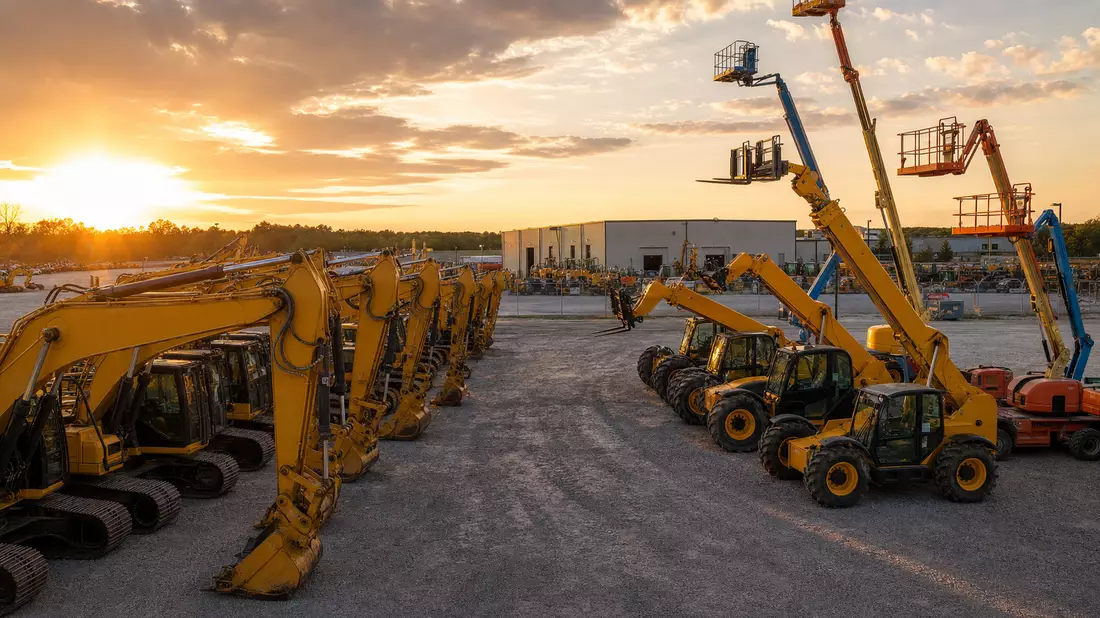
United Rentals stock sits on the foundation of a strong recent earnings record, with the US equipment-rental group United Rentals Inc. (ISIN US9113631090) reporting multi-billion dollar revenue and solid margins in its latest full-year numbers. The company has positioned itself as a key supplier of rental equipment for construction and industrial projects across North America, and investors continue to evaluate how that earnings strength translates into future cash flows and capital allocation.
Full-year revenue above ten billion dollars
United Rentals operates one of the largest equipment rental fleets in North America, serving construction, industrial, and specialty markets with aerial work platforms, earthmoving equipment, and power solutions. In its most recently reported fiscal year, the company generated revenue in the tens of billions of dollars, reflecting both organic growth and contributions from past acquisitions.
The company’s business model is built around renting equipment rather than selling it outright, which allows United Rentals to generate recurring revenue streams over the useful life of its fleet. As the fleet grows with capital expenditures and is refreshed through disposals, the company seeks to optimize utilization rates and pricing to support margin development and free cash flow. Investors closely watch the balance between growth investments in new equipment and returns to shareholders via debt reduction or potential capital returns.
Margin and cash flow remain central
Profitability metrics such as operating margin, EBITDA margin, and return on invested capital are central to the United Rentals investment case. The company’s ability to convert revenue into operating income and free cash flow influences its leverage profile and flexibility to fund acquisitions or fleet expansion. Over recent reporting periods, United Rentals has managed to maintain solid margins despite cyclicality in construction demand, supported by disciplined cost control and pricing strategy.
Free cash flow generation is particularly important for an asset-intensive business. United Rentals’ rental-fleet investments require significant capital expenditures each year, but the recurring rental income and resale value of used equipment can provide resilience through economic cycles. Investors examine how much free cash flow remains after capital spending to assess the potential for future debt reduction or shareholder-friendly actions.
Equipment rental demand and cycle sensitivity
The equipment rental market is closely tied to construction activity, infrastructure projects, and industrial capital spending. United Rentals benefits when non-residential construction and industrial projects expand, driving demand for its equipment. Conversely, periods of weaker construction activity or delayed projects can weigh on rental volumes and utilization rates. The company’s broad geographic footprint and diversified customer base offer some protection against regional or sector-specific slowdowns.
United Rentals also serves customers in specialty segments such as trench safety, power and HVAC, and fluid solutions. These businesses can provide more stable revenue streams and higher-margin opportunities compared to general equipment rental. As a result, the mix between general rentals and specialty segments, along with cross-selling success, is an ongoing focus for management and investors.
Rental fleet scale and utilization
The scale of the United Rentals rental fleet is a competitive advantage. With thousands of branches across North America, the company can serve large national accounts and local contractors alike. Fleet utilization, measured as the percentage of time equipment is rented versus available, is a key operating metric. High utilization indicates strong demand and efficient fleet management, while low utilization can signal excess capacity or weaker demand.
United Rentals continually adjusts its fleet composition, adding equipment types that align with evolving customer needs and divesting older or less-utilized assets. This dynamic fleet management helps support pricing discipline and margin performance. Investors often look at utilization trends alongside rental rates to understand the underlying health of the business.
Capital expenditure strategy and fleet growth
The company’s capital expenditure program is central to its growth strategy. United Rentals invests heavily in new equipment to expand and refresh its rental fleet, with annual capital spending that can reach into the billions of dollars depending on demand conditions and strategic priorities. These investments aim to maintain a modern, reliable fleet capable of serving complex projects and safety requirements.
Balancing capital expenditures with free cash flow generation and leverage targets is a critical financial management task for United Rentals. The company typically uses a mix of operating cash flow and debt financing to fund fleet growth, while also considering opportunities to refinance existing debt on favorable terms. Investors monitor the trajectory of capital spending relative to revenue and margin trends to gauge whether the growth strategy remains sustainable.
Debt profile and leverage considerations
United Rentals, like many capital-intensive businesses, carries a significant debt load associated with its equipment purchases and acquisitions. Debt metrics such as net debt to EBITDA and interest coverage ratios are closely watched by creditors and shareholders. The company aims to maintain leverage within ranges that support its credit profile while allowing enough flexibility for strategic investments.
Debt reduction can become a priority during periods of strong free cash flow and favorable capital markets. Conversely, when acquisition opportunities arise, leverage may temporarily increase until synergies and cash flow improvements materialize. The balance between growth and financial discipline is a central theme in the United Rentals story.
Acquisition track record and integration
United Rentals has a long history of growth through acquisitions, having integrated multiple regional and specialty rental businesses over the years. These transactions can provide new customer relationships, regional coverage, and specialty capabilities. Successful integration requires careful management of fleet, systems, and culture, as well as realizing cost synergies and cross-selling opportunities.
Investors evaluate the company’s acquisition pipeline and integration track record to assess execution risk. Acquisitions can offer attractive returns when synergies are realized and fleet utilization improves, but they also carry operational and financial risks. United Rentals has developed capabilities in integrating acquired businesses, but each transaction still demands focused oversight.
Industrial and infrastructure exposure
United Rentals’ exposure to industrial projects and infrastructure spending is a key driver of medium-term demand. As governments and private-sector entities invest in transportation, energy, and utilities infrastructure, the demand for heavy equipment and specialty solutions can increase. United Rentals aims to position itself as a partner for these large projects, supplying equipment and services across different phases.
Infrastructure initiatives can extend over many years, providing a pipeline of potential rental opportunities. However, the timing of project approvals and funding can be unpredictable. Investors assess the company’s exposure to major infrastructure programs and industrial capex cycles when considering the resilience of its revenue base.
Regional diversification and branch network
United Rentals operates in multiple regions across the United States and Canada, offering some diversification against local economic fluctuations. The branch network allows the company to serve customers from small contractors to large industrial firms, with the ability to redeploy equipment between locations based on demand patterns. This geographic spread helps mitigate the impact of regional downturns.
Branch efficiency, measured by revenue per location and operating cost structures, is another important performance metric. United Rentals seeks to optimize branch operations through standardized processes, technology systems, and shared services. Improvements in branch productivity can enhance margins and support investments in customer service.
Customer base and contract types
United Rentals serves a broad customer base, including construction contractors, industrial firms, utilities, municipalities, and specialty service providers. Contract types range from short-term rentals for specific projects to longer-term arrangements covering equipment needs over extended periods. The mix of customers and contract durations influences revenue visibility and vulnerability to short-term demand swings.
Customer concentration risk must be managed carefully. While large national accounts can provide substantial revenue, United Rentals also values a diversified base of small and mid-sized customers. This blend can reduce dependence on a few large clients, even as the company seeks to expand strategic relationships with major accounts.
Technology and fleet management
Technology plays an increasingly important role in United Rentals’ operations. Fleet telematics, digital platforms, and data analytics support equipment tracking, maintenance scheduling, and customer interfaces. By using technology to monitor equipment usage and condition, the company can improve uptime, optimize maintenance, and enhance safety.
Digital tools also allow customers to manage rentals, view fleet status, and order equipment online. These capabilities can strengthen customer relationships and differentiate United Rentals from competitors. Investment in technology is therefore both an operational efficiency lever and a strategic differentiator.
Safety and regulatory environment
Safety is a critical consideration in the equipment rental business. United Rentals must ensure that its equipment meets regulatory standards and that customers understand proper usage. The company provides training and support to help reduce accident risks and comply with safety regulations. A strong safety culture can protect both customers and the company’s reputation.
Regulatory changes affecting equipment standards, emissions, and workplace safety can influence fleet composition and maintenance practices. United Rentals needs to stay ahead of evolving regulations, which may require investment in newer equipment types or additional services. These regulatory dynamics are part of the broader operating environment for the business.
Environmental considerations and fleet evolution
Environmental considerations are also shaping the equipment rental industry. Demand for lower-emission equipment and electric alternatives is growing, driven by regulatory mandates and customer preferences. United Rentals is gradually incorporating more environmentally friendly equipment into its fleet, responding to these trends.
Such shifts can require changes in maintenance, charging infrastructure, and training, but they also open new market opportunities. The company’s ability to provide sustainable equipment solutions may become a competitive factor in winning contracts with environmentally conscious customers.
United Rentals product focus
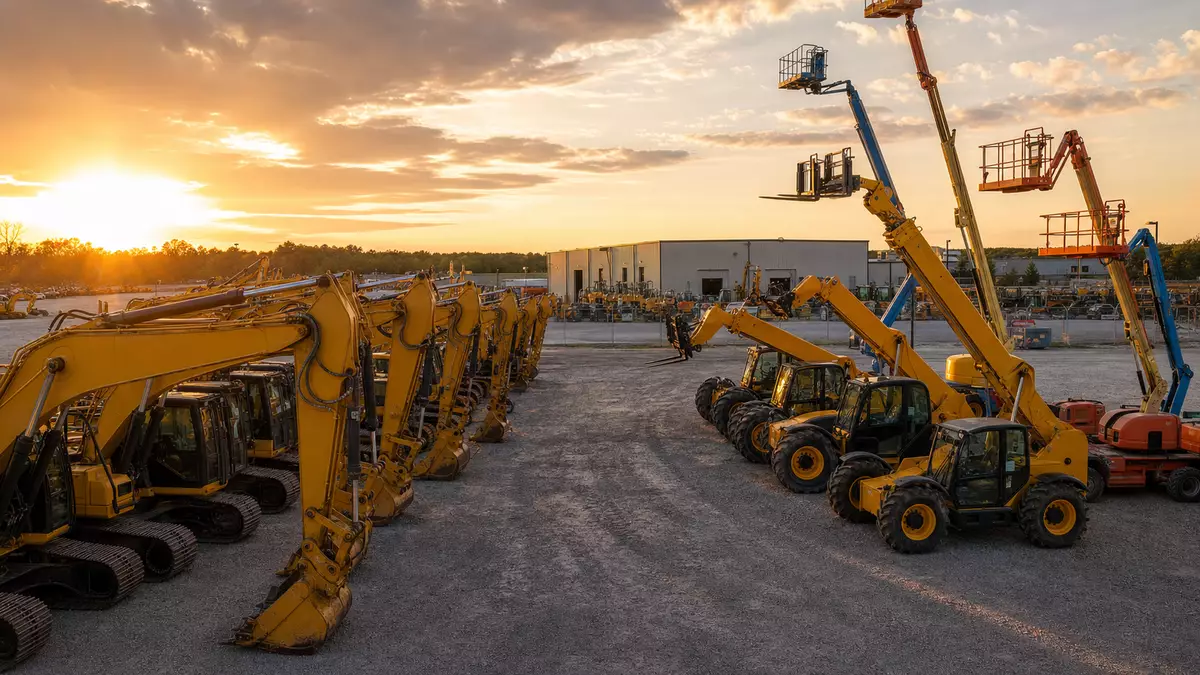
A key product category for United Rentals is its range of aerial work platforms and telehandlers, which are widely used on construction sites for working at height and material handling. These machines support tasks such as building construction, maintenance, and industrial installations. Demand for aerial equipment is closely tied to construction activity, but also to facility management and industrial projects.
United Rentals’ broader equipment portfolio includes earthmoving machines, material handling equipment, generators, pumps, and climate-control solutions. By offering a comprehensive product lineup, the company aims to be a one-stop provider of rental equipment for complex projects. This breadth allows customers to source multiple equipment types from a single partner, potentially simplifying logistics and coordination.
United Rentals stock and market context
United Rentals stock represents exposure to the cyclical construction and industrial demand environment, balanced by the company’s scale, diversification, and recurring revenue characteristics. The share price reflects expectations about future rental volumes, pricing, margins, and cash flow, as well as broader macroeconomic conditions. Over the long term, investors assess how United Rentals’ strategic decisions on fleet growth, acquisitions, and technology investment will shape shareholder value.
For many market participants, United Rentals stock offers a way to participate in infrastructure and industrial spending trends without owning individual project developers or contractors. The company’s position as an equipment provider means its fortunes are linked to project activity, but not to specific project outcomes. This indirect exposure can be attractive for investors seeking diversified industrial-cycle participation.
United Rentals company snapshot
- Company: United Rentals Inc.
- ISIN: US9113631090
- Ticker: NYSE: URI
- Trading venue: NYSE
- Sector / Industry: Industrials / Trading Companies and Distributors
- Index membership: S&P 500
Disclaimer regarding our articles: No investment advice, no buy or sell recommendation. Information on prices, companies, and markets is provided without guarantee; changes are possible at any time. Stock market transactions can lead to substantial losses. Our articles are created and reviewed in whole or in part automatically with the support of AI.