Vulcan Energy’s Lionheart Project is Fully Funded — So Why is the Stock Still Falling?
Published on 06/30/2026 at 08:13 | Redaktion boerse-global.de
Vulcan Energy has locked down a staggering €2.2 billion financing package for its flagship German lithium project, yet its shares are trading within a hair’s breadth of a one-year low. The disconnect between operational milestones and investor sentiment has rarely been starker at this lithium developer.
The Lionheart project in the Upper Rhine Valley represents the company’s core growth story. Once operational — targeted for 2028 — it is designed to produce 24,000 tonnes of lithium hydroxide annually, enough to supply roughly 500,000 electric-vehicle batteries. That output will also generate renewable electricity and heat for local households. Construction work is already under way: Vulcan began the main build at its central lithium conversion plant in Frankfurt this April, where lithium chloride will be turned into battery-grade product via electrolysis.
The €2.2 billion funding package is underpinned by heavyweight partners. Siemens is investing €67 million directly into the project and will act as the preferred supplier of automation and digitalisation technology through 2035. The European Investment Bank is contributing €250 million. That sort of institutional backing would ordinarily be a powerful catalyst for a pre-revenue developer. But the market is looking past the cheques and focusing on the two-year wait before meaningful revenue begins.
Should investors sell immediately? Or is it worth buying Vulcan Energy?
Shares edge dangerously close to the floor
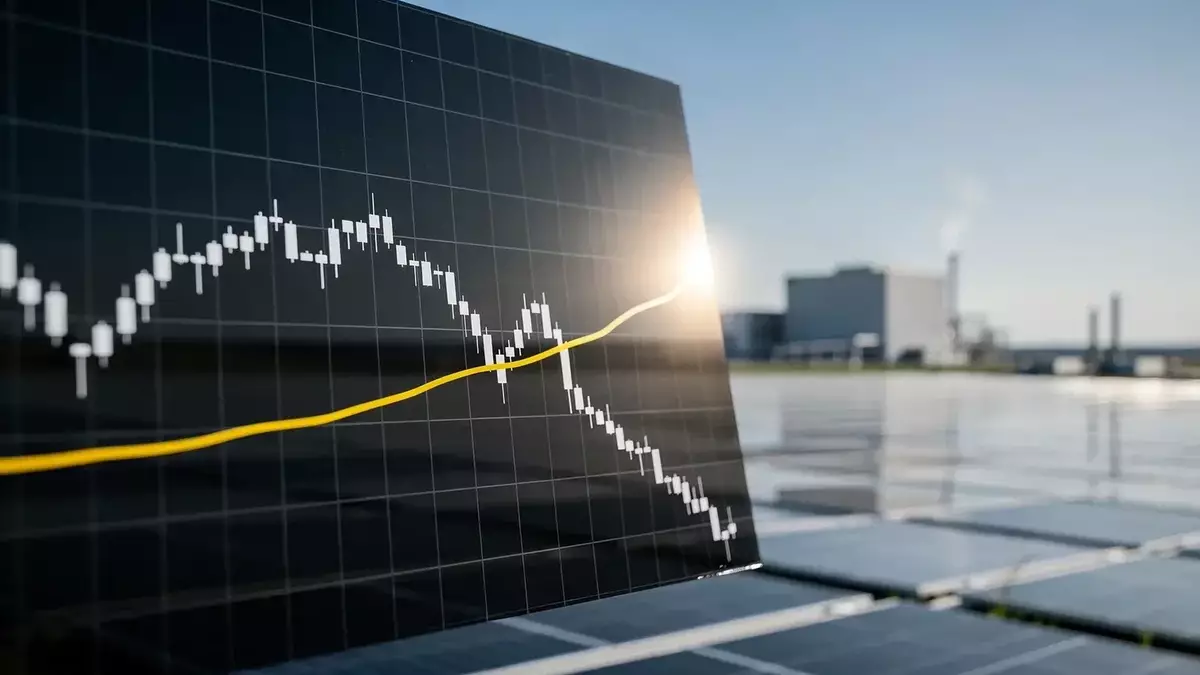
Vulcan’s stock closed Monday at €1.83, bringing its year-to-date loss to roughly 30%. That leaves it just 3.3% above the 52-week low of €1.77. The paper has more than halved since touching a high of €3.98 in October 2025. The technical picture is equally sobering: the relative strength index sits at 33.5, deep in oversold territory. The stock is trading about 15% below its 50-day moving average and roughly 30% below the 200-day line. Annualised 30-day volatility of 55% underscores just how choppy the ride has been.
Lithium market recovery offers a light — but only for 2028
The broader commodity backdrop is slowly brightening. Chinese spot prices for lithium have more than doubled from their autumn 2024 trough and now hover around $23 per kilogram. Analysts are pencilling in a 4% global supply deficit for 2026, underpinned by rising demand from battery production and energy storage. That structural shift is favourable for any producer set to come online later this decade.
For Vulcan Energy, the improving lithium price environment is theoretically a tailwind — but one that will only matter once the Frankfurt plant starts churning out product. Until then, the company must keep investors engaged without generating material revenue. Every construction milestone at Lionheart will be scrutinised as a potential catalyst. If Vulcan can hold the line and deliver on schedule, it will enter a market that looks far more attractive than today’s. For now, though, the stock is reacting to the gap between promise and production.
Ad
Vulcan Energy Stock: New Analysis - 30 June
Fresh Vulcan Energy information released. What's the impact for investors? Our latest independent report examines recent figures and market trends.
Disclaimer regarding our articles: No investment advice, no buy or sell recommendation. Information on prices, companies, and markets is provided without guarantee; changes are possible at any time. Stock market transactions can lead to substantial losses. Our articles are created and reviewed in whole or in part automatically with the support of AI.