Xiaomi’s 9% Rally Masks a Year of Steep Declines as Sky Nomad Attempts a Turnaround
Published on 07/08/2026 at 10:42 | Editorial boerse-global.de
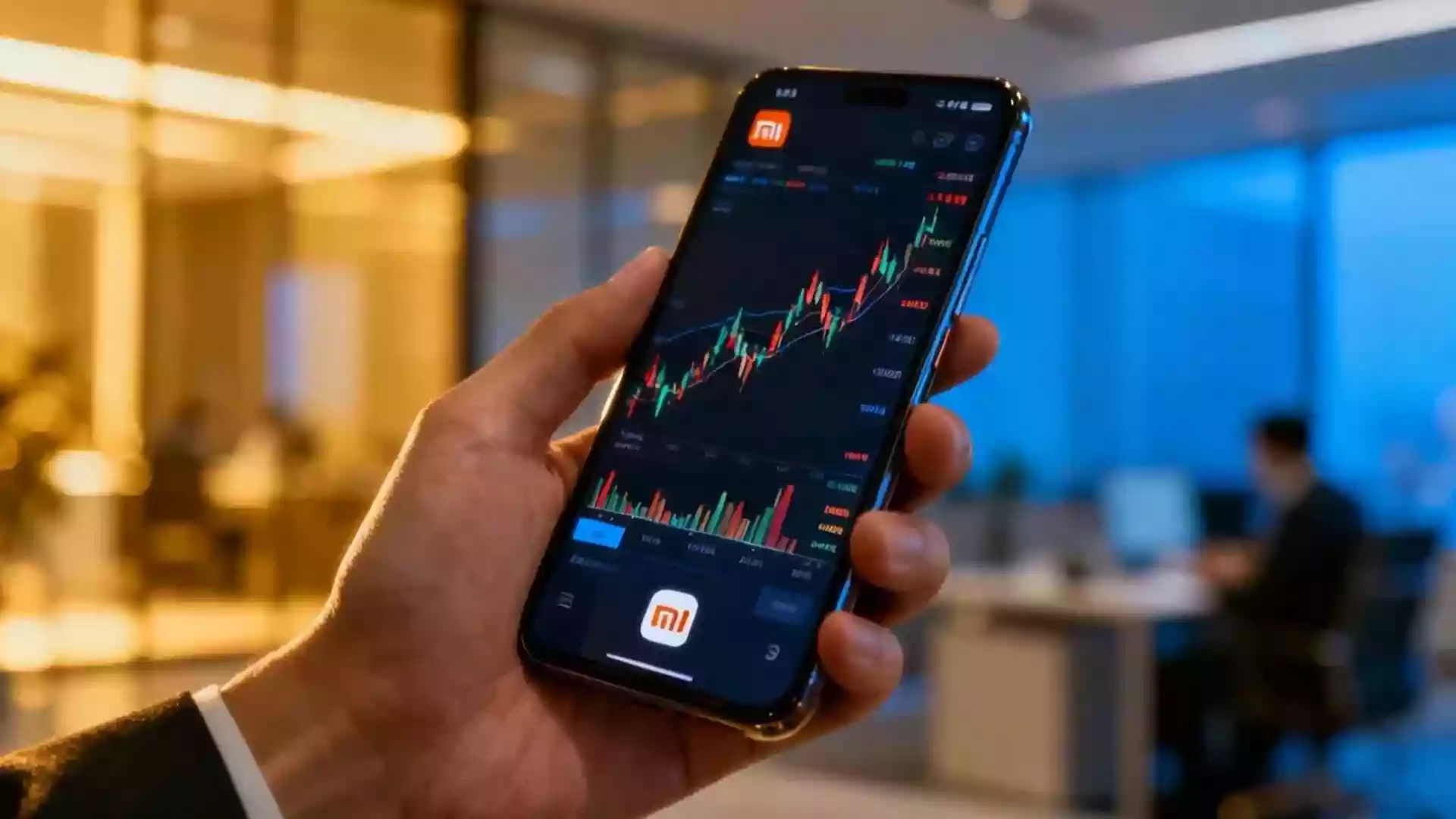
The stock of Chinese tech giant Xiaomi surged more than 9% on Wednesday, climbing to €2.81 and pulling away from the 52-week low of €2.34 it touched just days earlier. The catalyst: a strategic push into the electric-vehicle market with the official unveiling of the new extended-range EV brand “Sky Nomad.” Yet for all the optimism surrounding the announcement, the shares remain deep in the red, having lost roughly 37% over the past 12 months and 42.5% since the start of the year — a reflection of the formidable headwinds the company faces in its core smartphone business.
Chief executive Lei Jun took the stage to confirm the name of the new sub-brand — destined to compete directly with the likes of Li Auto in China’s hotly contested EREV segment. The first model, code-named Kunlun N3, is a full-size SUV measuring over 5.3 metres in length. It pairs an electric motor with a 1.5-litre petrol generator, giving a claimed combined range of more than 1,500 kilometres. Production is already under way in Beijing, with a detailed market launch pencilled in for August 2026. Battery suppliers are expected to include Sunwoda and CALB, according to industry reports.
Xiaomi also introduced a separate innovation: Titan Alloy 2.0, a 100% recycled aluminium material that the company says cuts the carbon footprint of its production by roughly 93% compared with primary aluminium. The alloy has already been adopted in the rear-floor assemblies of the SU7 and YU7 models. Verified by the IVL Swedish Environmental Research Institute and registered in the International EPD System, the material is expected to save nearly 800 kilograms of CO? per vehicle. With an annual production target of 550,000 EVs, that would amount to a reduction of almost 450,000 tonnes of CO?.
Should investors sell immediately? Or is it worth buying Xiaomi?
The EV arm delivered 180,000 cars in the first half of the year, and the company still aims to hit a full-year target of 550,000 units. June marked the third consecutive month in which monthly deliveries topped 30,000 vehicles. Yet the flagship SU7 saw sales drop 14.24% year-on-year in May, underscoring the competitive pressures even within Xiaomi’s own lineup. Meanwhile, the core smartphone business remains under severe strain: surging memory-chip costs now account for more than 60% of total material costs, squeezing gross margins. The global low-end handset market is shrinking by 22%, forcing Xiaomi to raise prices and risking further volume erosion.
The decision to bet on EREV technology — a hybrid powertrain that allays range anxiety — is a calculated response to market dynamics. Chinese hybrid exports surged 155% recently, far outpacing pure battery-electric growth. Still, the EREV segment itself is fiercely competitive, and a price war could quickly erode the margins of Sky Nomad’s planned price band of €25,000 to €57,000. The success of the new brand hinges on whether Xiaomi can achieve profitable scale, reducing its reliance on the volatile semiconductor market.
Chart watchers see the 50-day moving average at €3.02 as the next resistance level; a decisive break above that could signal a potential bottom. But the road ahead is steep: the 200-day average sits at €3.94, more than 28% above the current price, while the 52-week high is nearly 57% higher. The relative strength index stands at 36.6, edging towards oversold territory — a tentative sign that the selling pressure may be abating. On a weekly basis, the stock managed a 4.41% gain, offering a faint glimmer of life after months of erosion.
The next major catalyst arrives at the end of July, when Xiaomi is expected to publish the final technical specifications for the Sky Nomad line. Strong pre-order numbers would lend credibility to its ambitious delivery targets, while any delay in the August launch could trigger an immediate sell-off. Beyond that, the upcoming quarterly earnings report will put the smartphone division’s gross margin under intense scrutiny. For now, the rally offers a moment of respite, but the fundamental challenges — from chip costs to EV price wars — leave the turnaround still very much in question.
Ad
Xiaomi Stock: New Analysis - 8 July
Fresh Xiaomi information released. What's the impact for investors? Our latest independent report examines recent figures and market trends.