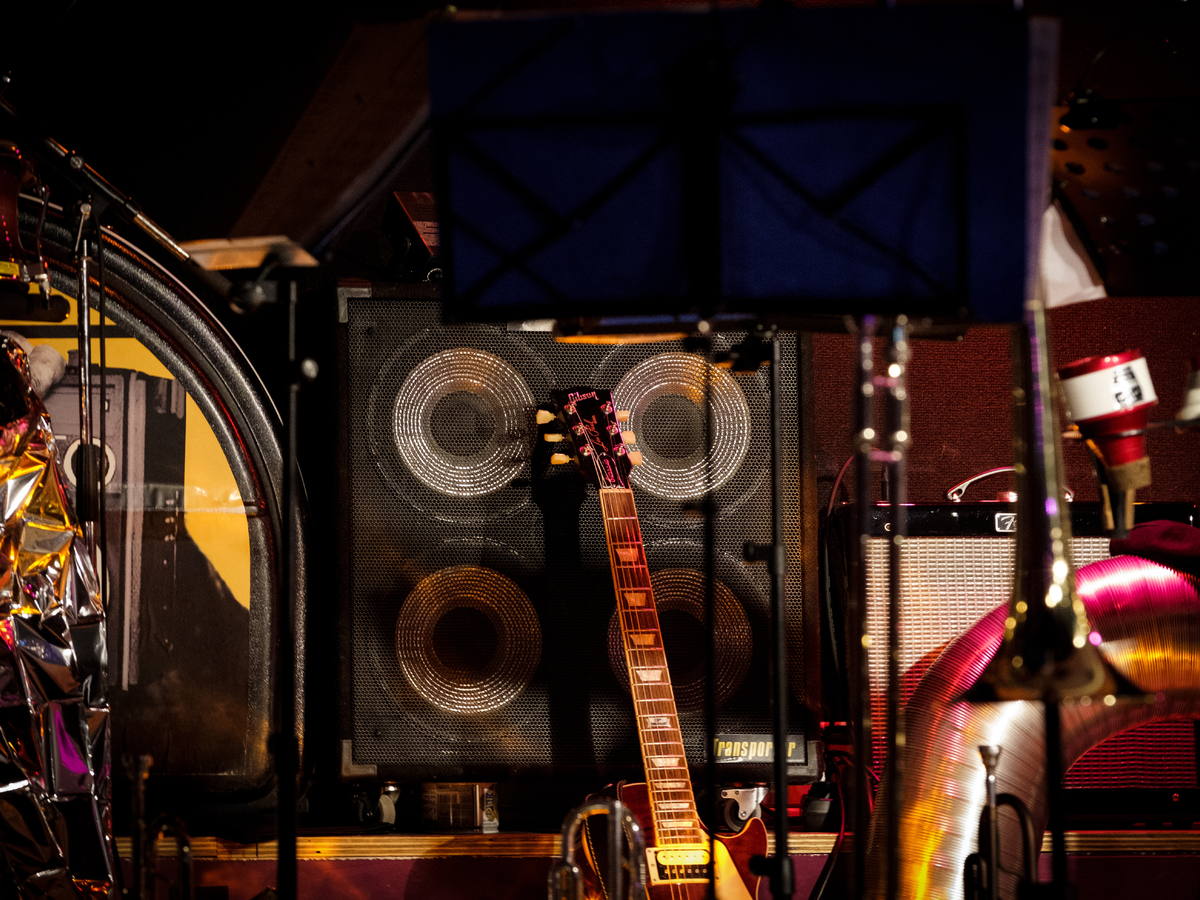
Yes return to the live spotlight with a 2026 tour push
17.05.2026 - 01:10:51 | ad-hoc-news.de
Yes have spent more than five decades turning symphonic ambition into a rock language that still sounds futuristic. In 2026, the band remains a live draw for fans who want precision, scale, and the kind of musicianship that made Yes one of progressive rock's defining names.
Why Yes still matter on the live circuit in 2026
As of 17.05.2026, the strongest current news angle around Yes is their live presence, with the band's official live page keeping attention on concert activity and ongoing demand. For American classic-rock fans, that matters because Yes are one of the rare legacy acts whose catalog still plays like a technical showcase rather than a nostalgia act.
Billboard has long treated legacy touring as a major part of the U.S. rock economy, and Pollstar routinely shows how premium catalog artists continue to anchor theaters and amphitheaters. Yes fit that pattern exactly: a group whose name still signals musicianship, album-side epics, and a deep bench of songs that reward repeat listening.
Their current relevance is also tied to the way progressive rock has re-entered mainstream music conversation through reissues, documentary coverage, and multigenerational touring. Even without a brand-new album announcement attached to the 72-hour window, Yes remain a live-story band because the stage is where their arrangements, dynamic shifts, and instrumental detail matter most.
- Official live hub: Yesworld live page
- Core legacy albums often cited by critics: The Yes Album, Fragile, Close to the Edge
- Signature songs still central to the setlist conversation: Roundabout and Owner of a Lonely Heart
That longevity helps explain why Yes still surface in coverage from outlets that track both classic-rock fandom and the economics of concert touring. The band's career has outlasted entire eras of radio formatting, but the live show still functions as the cleanest entry point for new listeners in the United States.
Who Yes are and why the band still matters
Yes are one of the foundational progressive rock bands, built around elaborate arrangements, virtuosic playing, and a willingness to stretch the song form without losing melodic appeal. For U.S. readers, they are part of the same broad classic-rock memory bank that includes arena-era spectacle, but with far more musical architecture under the hood.
The band's identity has always rested on contrast: tightly rehearsed performances paired with songs that feel expansive, floating, and almost orchestral. That balance made Yes unusually durable, because the group could appeal both to rock listeners who wanted power and to listeners who wanted complexity.
Their story also matters because Yes helped define what progressive rock could become for American audiences. While the genre began in the UK, the band's radio footprint in the United States gave the style real commercial visibility, especially once FM rock became a home for longer, more adventurous cuts.
How Yes rose from British prog to U.S. recognition
Yes formed in London in 1968, when singer Jon Anderson, bassist Chris Squire, guitarist Peter Banks, keyboardist Tony Kaye, and drummer Bill Bruford began building a sound that merged harmony-rich vocals with extended instrumental passages. That lineup would not stay static for long, but the early blueprint was already in place.
According to Rolling Stone's historical coverage of progressive rock, the genre's lasting appeal came from its blend of ambition and musicianship rather than any single radio format. Yes embodied that idea early, and their rise accelerated once they began releasing records that favored side-long composition and elaborate studio layering.
Their breakthrough period arrived in the early 1970s with records that are now treated as canon. The Yes Album sharpened the group's identity, Fragile expanded it, and Close to the Edge pushed it into a near-definitive statement of prog excess and control.
By the mid-1970s, the band had built a reputation for both innovation and internal change, with shifting personnel becoming part of the Yes story. That constant motion never erased the brand; if anything, it made the name larger than any single lineup.
In the United States, that mattered because the band's music found a home in FM rock culture, concert halls, and record collections that prized musicianship. As of 17.05.2026, the band remains one of the clearest examples of a rock act whose catalog still travels across generations without needing a trend-cycle reboot.
Signature sound, albums, and songs that define Yes
Yes are defined by bright vocal harmonies, agile bass lines, cinematic keyboards, and guitar work that can move from crystalline to muscular in a single transition. The band's arrangements often feel like puzzles that resolve into hooks, which is one reason their best records continue to reward close listening.
Fragile remains central because it balanced group identity with individual virtuosity, while Close to the Edge pushed the long-form suite into a peak of ambition. Later albums such as 90125 showed that Yes could still adapt to a more streamlined, radio-facing era without abandoning their harmonic DNA.
Two songs are especially useful for understanding the band's range. Roundabout captures the early-1970s progressive ideal with an instantly recognizable bass figure and a sprawling shape, while Owner of a Lonely Heart brought Yes into the MTV age with a punchier, more contemporary sound.
Producer Trevor Horn is essential to that latter chapter, and his work helped give 90125 a sharper edge that suited the era's pop-rock marketplace. That collaboration is a reminder that Yes have never been frozen in one sound, even if their core identity remains unmistakable.
Critical writing has often emphasized how rare it is for a band to preserve musical density without becoming inaccessible. Yes solved that problem by making complexity feel buoyant, and that is why the records still circulate among musicians, collectors, and younger listeners who discover the band through reissues or streaming.
The cultural impact and legacy of Yes
Yes helped turn progressive rock into something commercially visible in the United States, and their influence can be heard in later arena-prog, neo-prog, and even certain strands of metal and indie rock. Their emphasis on dynamic shifts, multi-part composition, and high-register vocal arrangements became a template other bands borrowed or reacted against.
The band have also endured because they occupy a rare lane between art-rock credibility and classic-rock familiarity. That dual identity keeps them relevant in festival-era nostalgia programming, archival box-set culture, and the kind of long-tail streaming behavior that favors catalogs with strong brand recognition.
Billboard's chart reporting has often shown how legacy artists can sustain audience attention through touring and catalog activity, and Yes are a textbook case of that broader industry pattern. Their name still carries enough weight to matter in ticketing, streaming, and search behavior, especially among listeners who grew up on FM radio and their children who now find the songs online.
Concert venues across the U.S. continue to treat progressive-rock catalogs as premium live content, from theaters to major amphitheaters. That is one reason Yes remain discoverable in 2026: they are both a historical reference point and a present-tense touring proposition.
Frequently asked questions about Yes
Why are Yes still important in 2026?
Yes still matter because they represent one of progressive rock's clearest and most durable blueprints. Their songs combine technical playing with memorable melodies, which helps the band stay relevant to both longtime fans and new listeners.
What are the most essential Yes albums?
The usual starting points are The Yes Album, Fragile, and Close to the Edge. Many listeners also point to 90125 as the album that connected Yes to a more pop-forward era without erasing the band's identity.
What are the best-known Yes songs?
Roundabout and Owner of a Lonely Heart are the easiest entry points because they show two different sides of the band. One is expansive and intricate, the other is streamlined and sharply produced.
Is Yes mainly a studio band or a live band?
Yes have always been both, but the live setting is where their musical precision becomes most obvious. The arrangements, transitions, and solos tend to land hardest when the group performs them in front of an audience.
What makes Yes different from other classic-rock bands?
The difference is the level of compositional ambition. Yes built songs that could move from pop shape to suite-like scale, which made them more structurally adventurous than most rock acts of their era.
Yes on social media and streaming
For listeners tracking the band in real time, Yes continue to live in the overlap between catalog discovery and touring conversation.
Yes – moods, reactions, and trends across social media:
More coverage from AD HOC NEWS
More coverage of Yes at AD HOC NEWS:
Read more on Yes at AD HOC NEWS ->Browse all Yes coverage at AD HOC NEWS ->
So schätzen die Börsenprofis Aktien ein!

Für. Immer. Kostenlos.