Your Trusted Dental Practice in Berlin Steglitz: Medicine, Aesthetics and Calm Under One Roof
Published on 05/08/2026 at 07:01 | Editorial responsibility: Rafael Müller, Editor-in-Chief AD HOC NEWS
Arriving in a new city like Berlin is exciting until everyday realities such as finding a trustworthy medical team suddenly feel complicated. You may have already experienced the challenge: searching for a Dental Practice that not only offers modern treatments but also understands the expectations of international patients, explains everything in clear English, and respects your fears, your time, and your budget. For many expats and even for long-term residents, the German medical system can seem opaque, full of unfamiliar forms, foreign terminology, and sometimes brisk communication styles that do not always feel reassuring.
When it comes to oral health, this uncertainty can be magnified. Dental anxiety is common worldwide, and in a foreign country it is often intensified by language barriers and the fear of not being fully understood. Questions arise: Will the dentist listen to my concerns? Will they push for implants when my tooth could still be saved? Is there an English-speaking dentist who takes my pain seriously, explains the options, and does not treat me like a number in a system?
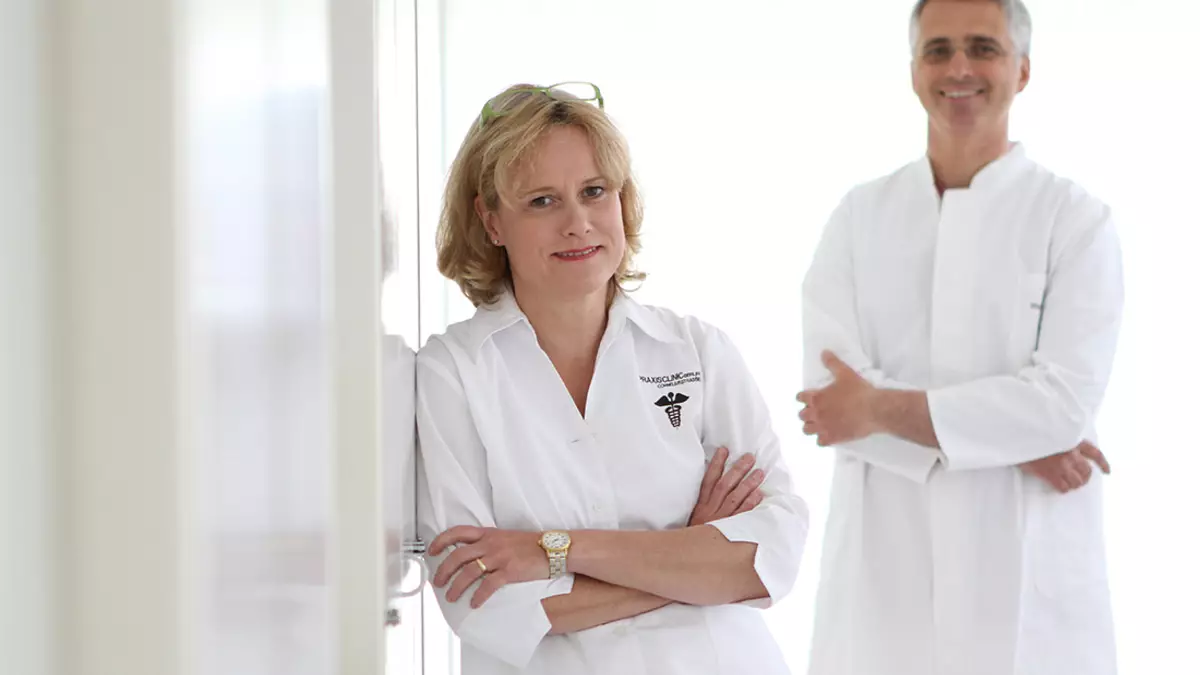
In Berlin's southwest, in the district of Steglitz close to well-known Schloßstraße and the neighboring area of Zehlendorf, Zahnarzt-Praxis Berlin Steglitz (Dr. Djamchidi & A. Jannack) has become a reference point for patients who seek more than routine dental check-ups. This Dental Practice in Berlin Steglitz combines high-end medical expertise, modern implantology and tooth preservation, and a calm, empathetic atmosphere that particularly appeals to expats and anxious patients.
One of the distinctive features of this practice is its rare "double approbation": practice owner Dr. Djamchidi is both a licensed physician and ENT specialist and a fully trained dentist. This double degree (MD and DDS equivalent) is especially relevant in complex fields such as implantology and oral surgery, where the interaction between the mouth, the maxillary sinus floor, the nasal passages, and general health becomes crucial. Alongside him, dentist Annette Jannack focuses on endodontics, microscopic dentistry, aesthetics, and minimally invasive tooth preservation. Together they represent the philosophy of "Zahnerhalt vor Zahnersatz": saving the natural tooth whenever reasonably possible, and only then considering crowns, bridges, or implants.
The combination of deep medical knowledge, technical precision, and human warmth makes this practice more than just a typical Zahnarzt in Berlin. It functions as a health partner that guides you through each step of your personal dental journey, from prophylaxis to complex oral surgery.
To understand why this particular Dental Practice stands out, it helps to look more closely at the professional profiles behind it. At the center of the team is Dr. Djamchidi, whose medical path crosses two interconnected disciplines: ENT (ear, nose, and throat medicine) and dentistry. In Germany, this double approbation is rare and indicates a comprehensive, long-term training in both general medicine and dental medicine. For patients, this means that when you discuss an implant, a sinus lift, or any oral surgery procedure with him, you are speaking to a doctor who sees more than just teeth and gums.
The maxillary sinus, an air-filled cavity above the upper molars and premolars, plays a decisive role in implantology in the upper jaw. When back teeth are lost, the bone in this area often shrinks over time. To place stable implants, the available bone height may be insufficient, requiring a sinus floor elevation (commonly known as a sinus lift). This is a delicate procedure conducted very close to the thin sinus membrane. A tiny perforation or infection can lead to sinusitis, chronic discomfort, or implant failure. An ENT specialist is trained precisely in these sinuses, their anatomy, and their diseases.
Here lies the core advantage of being simultaneously an ENT physician and a dentist: the "double view". Where a standard implantologist sees primarily bone and implant position, a doctor with ENT training also considers nasal airflow, sinus drainage pathways, the condition of the mucosa lining the sinus, and how all of these interact with a planned implant. He can evaluate whether a chronic sinus problem may interfere with implant healing, whether a previous nasal surgery or allergy influences your risk profile, and how to design a minimally invasive sinus floor elevation that respects both dental and ENT safety principles.
This double perspective also enhances diagnostic accuracy. Before recommending an implant, an MD-DDS can interpret imaging such as digital volume tomography (DVT) or cone beam CT not only for bone structure but also for sinus health. If a thickened sinus membrane or polyps are detected, he can assess whether conservative treatment is needed before surgery or whether certain areas should be avoided during implant placement. This integrated view reduces complications and increases long-term success rates.
For international patients, it also brings peace of mind. Many people are understandably nervous about the idea of screws in their jawbone or lifting a sinus membrane they have never heard of before. In this practice, these procedures are explained in clear, accessible language: what the maxillary sinus floor is, why the bone resorbs after a tooth extraction, how a sinus lift is performed, and how biocompatible materials are used to rebuild bone. As an English-speaking dentist with medical training, Dr. Djamchidi can connect the dots between general health, ENT conditions, and oral surgery outcomes, transforming what could be a frightening unknown into a well-structured, safe treatment plan.
Beyond implantology, the "double approbation" is valuable in many other clinical situations. Patients with sleep apnea, snoring, chronic sinusitis, or facial pain often move back and forth between ENT doctors and dentists. Here, evaluation happens in one place, reducing the risk of misunderstandings between specialities. A bite disorder, for example, can cause tension in the masticatory muscles and radiating pain around the ear. Conversely, an ENT condition can produce sensations that patients interpret as tooth pain. A doctor who is fully at home in both worlds can sort this out precisely, preventing unnecessary dental work and guiding you to the right solution.
Another important dimension is medication and systemic health. Expats may take drugs for chronic conditions such as hypertension, diabetes, thyroid disease or anticoagulation, often prescribed in their home country. An MD-qualified dentist is trained to analyse how these medications interact with oral surgery, wound healing, and local anaesthetics, and can coordinate safely with your other doctors. During implant planning and oral surgery, aspects such as blood clotting, immune function and metabolic control are as important as the technical implant placement itself. Having a physician decide on timing, type of procedure and potential sedation options contributes to a higher level of safety, particularly for older patients or those with complex medical histories.
While implantology and oral surgery are often the visible "high-tech" aspects of a modern Dental Practice, long-term oral health starts much earlier: by preserving the natural tooth. This is where dentist Annette Jannack brings a complementary expertise to the team. Her focus includes endodontics, the field of dentistry dedicated to saving teeth with inflamed or infected dental pulp through root canal treatment.
Many patients still associate root canal treatment with long, painful sessions and uncertain outcomes. Modern endodontics, however, has evolved dramatically. In a practice that values minimally invasive and microscopic dentistry, the goal is to remove infection gently, preserve as much healthy tooth structure as possible, and create the conditions for a stable, long-lived tooth.
Endodontics begins with a precise diagnosis: Is the tooth "only" inflamed or already necrotic? How deep is a crack? Do symptoms such as sensitivity to hot and cold, or pain when biting, point to reversible irritation or irreversible pulp damage? Here, digital imaging and sometimes magnification tools help identify problem areas that are invisible to the naked eye.
Once root canal treatment is indicated, the process is carefully structured. After local anaesthesia, the tooth is isolated from the oral cavity with a dental dam to keep the field dry and to prevent bacteria from saliva entering the canals. Using fine instruments and magnification, the infected tissue is removed from the root canal system. Special rotating files and irrigation solutions clean not only the main canals but also fine side branches where microorganisms can hide. This mechanical and chemical disinfection is essential for long-term success.
At Zahnarzt-Praxis Berlin Steglitz, the philosophy "Zahnerhalt vor Zahnersatz" means that endodontics is not treated as a last resort, but as a central pillar of treatment planning. Instead of quickly extracting a problematic tooth and immediately recommending an implant, the team led by Jannack evaluates systematically whether a tooth can still be preserved. Only when the prognosis is clearly unfavourable does replacement come into play. This approach is both biologically and economically meaningful: your own tooth, if well treated, usually functions better and feels more natural than any prosthetic solution.
Modern root fillings must also be biocompatible and well sealed. Biocompatibility means that the materials used do not irritate surrounding tissues and integrate harmoniously into the body's environment. By carefully filling and sealing the cleaned canals with appropriate materials, the risk of re-infection is minimized. The tooth is then restored, often with a crown or an onlay, to protect it from fracture. When this is carried out with an eye for aesthetics and function, the previously painful tooth becomes a stable, virtually invisible part of your smile.
Microscopic dentistry plays an important role in this practice philosophy. Under magnification, fine structures such as additional root canals, hairline cracks or hidden caries become visible and treatable. This not only improves prognosis, it also aligns with the idea of minimally invasive treatment: instead of removing large amounts of tooth tissue "just to be safe", the dentist can work precisely where it is necessary and preserve as much healthy substance as possible.
Endodontics also interacts with other fields of the practice, such as implantology and oral surgery. A comprehensive diagnosis may reveal that some teeth are worth saving with advanced root canal treatment, while others are better replaced by implants for a predictable long-term result. By having both competences under one roof, patients do not receive one-sided advice but a truly balanced second opinion that considers all realistic options, their risks, and their costs.
For many people, the technical excellence of a Dental Practice is only one side of the equation. The other, equally important side is emotional: How will I feel in the chair? Will the team take my fears seriously? Dental anxiety can have many sources: a traumatic experience in childhood, stories from friends, general fear of pain or needles, or simply the feeling of losing control. For expats, this fear may be amplified by the challenge of describing sensations accurately in German.
At Zahnarzt-Praxis Berlin Steglitz, the concept of "anxiety-free" dentistry is not just a slogan but a guiding principle. From the first contact, the team invests time in listening. Anamnesis forms and consultations can be handled in English, so you can describe previous experiences and current worries without searching for words. Before any procedure, the dentist explains what will happen, why it is needed, and what you can expect to feel. Visual aids, such as models or digital images, help make invisible processes understandable.
For patients with pronounced dental anxiety, several supportive approaches are available. Local anaesthesia is performed gently and only after topical numbing medicine has taken effect, reducing the sensation of the injection itself. For more extensive procedures, options such as sedation or so-called twilight sleep may be considered. In twilight sleep, you remain responsive but deeply relaxed, with reduced memory of the procedure afterwards. This is particularly beneficial for longer sessions, for example when multiple implants are placed, or combined oral surgery and endodontics are planned in one appointment.
Some patients also appreciate complementary methods such as homeopathy or gentle relaxation techniques. While these do not replace medical anaesthesia, they can support overall well-being and stress reduction. The practice's calm, respectful communication style is designed to maintain your autonomy: you are encouraged to ask questions, to signal if you need a short break, and to participate actively in decisions about your treatment path.
Importantly, the team is aware that dental anxiety often leads to long periods without check-ups, which in turn increase the need for more complex treatment. Instead of judging or blaming, they focus on creating a fresh start. Whether your last visit to the dentist was six months or ten years ago, the emphasis is on what can be done now to restore health and confidence in a step-by-step, manageable way.
The physical environment of a Dental Practice also shapes the patient experience. Zahnarzt-Praxis Berlin Steglitz is located in a characteristic Altbau, a historic building typical for the Steglitz and Berlin Southwest area. High ceilings, original details and the classic staircase create an atmosphere that many Berliners and newcomers alike recognize as part of the city's charm. At the same time, the practice communicates openly that the building is not barrier-free: there is no elevator, and access involves climbing stairs.
For many patients, this is simply part of the authentic Berlin experience, comparable to visiting a gallery or a private practice in an old townhouse near Schloßstraße. For others, especially those with limited mobility, it is important to know this in advance. The team encourages new patients to mention any mobility issues when booking an appointment, so that they can plan support as far as possible within the given architectural constraints or, if necessary, recommend suitable barrier-free options in the neighbourhood.
The location itself is practical and well-connected. Steglitz is a hub in Berlin's southwest, with public transport links connecting quickly to both the city center and suburban areas like Zehlendorf. For those arriving by car, the area around the practice offers possibilities for parking, and the proximity to Schloßstraße means you can combine your dental visit with errands, shopping, or a relaxed coffee in one of the many surrounding cafés. Instead of an anonymous medical complex on the outskirts of the city, you visit a practice that is woven into the urban fabric, surrounded by everyday life and local culture.
For expats, this familiar, lived-in neighbourhood feel can be reassuring. You are not travelling to a clinical, sterile setting that feels detached from normal life, but to a place where Berliners of all backgrounds look after their health, including their teeth. This sense of belonging can subtly reduce anxiety and make it easier to maintain regular check-ups and prophylaxis appointments.
To truly imagine how this practice operates, it helps to walk through a hypothetical first visit as an international patient. You may have found the practice online while searching for an English-speaking dentist or a Dental Practice in Berlin Steglitz after moving to the area. Perhaps you are dealing with a persistent toothache, are considering a second opinion on an implant recommendation, or simply want a thorough check-up in your new home country.
Your first contact is likely by phone or online, where you can communicate your preferred language. The reception staff is accustomed to speaking with international patients, clarifying basic questions about insurance status (public, private, or self-pay), appointment availability, and any acute issues. If you feel anxious, you can already mention this, and the team will factor it into timing and planning.
On the day of your appointment, you arrive at the historic building in Steglitz and walk up the stairs to the practice. Inside, the atmosphere is professional but not intimidating. You fill out an anamnesis form, which can be explained in English, including questions about medications, allergies, previous dental treatments, and any ENT or sinus problems you may have had. This detailed medical history is especially important in a practice where physician-level analysis is standard.
During the initial consultation, the dentist or physician-dentist listens to your story: previous dental experiences in your home country, your expectations, and any immediate complaints. If you are considering implantology, he or she will also ask about smoking habits, systemic conditions like diabetes, and your general health. This is not merely formal; it directly influences treatment planning and the likelihood of long-term success.
A clinical examination follows, assessing teeth, gums, bite, and oral mucosa. Depending on the case, digital X-rays or three-dimensional imaging may be recommended to visualise roots, jawbones, and the maxillary sinus floor. The images are typically displayed on a monitor so that you can see them together with the dentist. Instead of a quick, unexplained verdict, you receive a structured explanation in plain language: where caries is present, where an old filling has failed, which root canals look suspicious, or which areas of the jaw have sufficient bone for implants.
At this point, the team distinguishes itself by the way they discuss options. You receive not only one proposed solution but a transparent overview: what can be preserved through endodontics, where prophylaxis and professional cleaning can stabilise the situation, where oral surgery may be needed, and which aesthetic possibilities exist if front teeth are involved. Costs and insurance coverage are addressed openly, with time for questions and clarifications. If you wish, you are encouraged to seek a second opinion, or, conversely, the practice can provide a second opinion on external treatment proposals you bring with you.
On the treatment day, details such as punctuality, explanation of each step, and gentle administration of local anaesthesia help maintain your sense of control. If you have chosen sedation or twilight sleep for a larger procedure, the medical aspects, including pre-medication and monitoring, are handled with the safety standards of an interdisciplinary team. Biocompatible materials are used consistently, whether it is for implant surfaces, bone grafting materials in a sinus lift, or root filling substances. After the treatment, you receive detailed aftercare instructions, including what to expect over the next days, what is normal and what would be a reason to contact the practice.
Follow-up appointments are planned to check healing, adjust occlusion if needed, and fine-tune aesthetics. For endodontically treated teeth, this may mean ensuring that the final restoration fully protects the tooth from fracture. For implantology, follow-ups verify osseointegration and soft tissue health around the implant. Throughout this journey, the team remains approachable; questions by phone or email are welcomed, particularly from patients who are still getting used to the German system and may not yet know when something is urgent or not.
In addition, the practice encourages regular prophylaxis. Professional tooth cleaning, instructions for home care, and recall systems help you maintain results in the long run. Rather than focusing only on repairing damage, the philosophy is preventive: keep gums healthy, control biofilm, detect small problems early, and intervene minimally instead of waiting for major issues to arise.
Looking at all these dimensions together, it becomes clear why Zahnarzt-Praxis Berlin Steglitz (Dr. Djamchidi & A. Jannack) has developed a strong reputation not only among locals but also among international residents. The unique combination of double approbation in medicine and dentistry ensures that complex treatments such as sinus lifts, implants in proximity to the maxillary sinus floor, or oral surgery in medically compromised patients are planned and executed with a level of safety that goes beyond standard dental protocols. At the same time, the strong emphasis on endodontics, tooth preservation, and microscopic dentistry means that your natural teeth are given every chance to be saved before replacement is considered.
This scientific and technical foundation is matched by an understanding of the expat context: language barriers, different expectations from previous health systems, and sometimes a deep-seated dental anxiety. By offering English-speaking consultations, clear explanations, and options such as sedation and twilight sleep, the practice lowers psychological thresholds and makes high-quality care accessible to those who might otherwise avoid the dentist altogether.
The historic Altbau setting in Steglitz, with its stairs and classic Berlin atmosphere, adds to the sense of authenticity. While the lack of barrier-free access is communicated honestly, many patients appreciate the feeling of stepping into a characterful space rather than a sterile, anonymous clinic. The central location near Schloßstraße and the broader Berlin Southwest area, including Zehlendorf, makes it easy to integrate dental visits into daily life.
Ultimately, what distinguishes this Dental Practice in Berlin Steglitz is the way it combines medicine, craftsmanship, and human connection. Implants and oral surgery are never offered as isolated technical services; they are embedded in a holistic view of your health, your story, and your long-term needs. Tooth preservation via modern endodontics is not an afterthought but a guiding priority. Dental anxiety is not dismissed but addressed with empathy and options. And being an expat or international resident is not a complication but a normal, welcome part of the patient community.
If you are looking for a place where you can ask all your questions, receive a grounded second opinion, and have both complex and routine treatments carried out with the combined knowledge of a physician, ENT specialist and dentist, supported by an experienced endodontic and aesthetic dentist, this practice in Berlin Steglitz offers a convincing answer. It is a setting where advanced implantology, oral surgery, tooth preservation, and prophylaxis meet a calm, understanding atmosphere — a combination that can turn the challenge of finding dental care in a foreign country into a positive, confidence-building experience.
Disclaimer regarding our articles: No investment advice, no buy or sell recommendation. Information on prices, companies, and markets is provided without guarantee; changes are possible at any time. Stock market transactions can lead to substantial losses. Our articles are created and reviewed in whole or in part automatically with the support of AI.