Almonty's Sangdong Ramp-Up Becomes the Yardstick After Two Analysts Trim Their Numbers
Published on 11/21/2026 at 14:41 | Editorial boerse-global.de
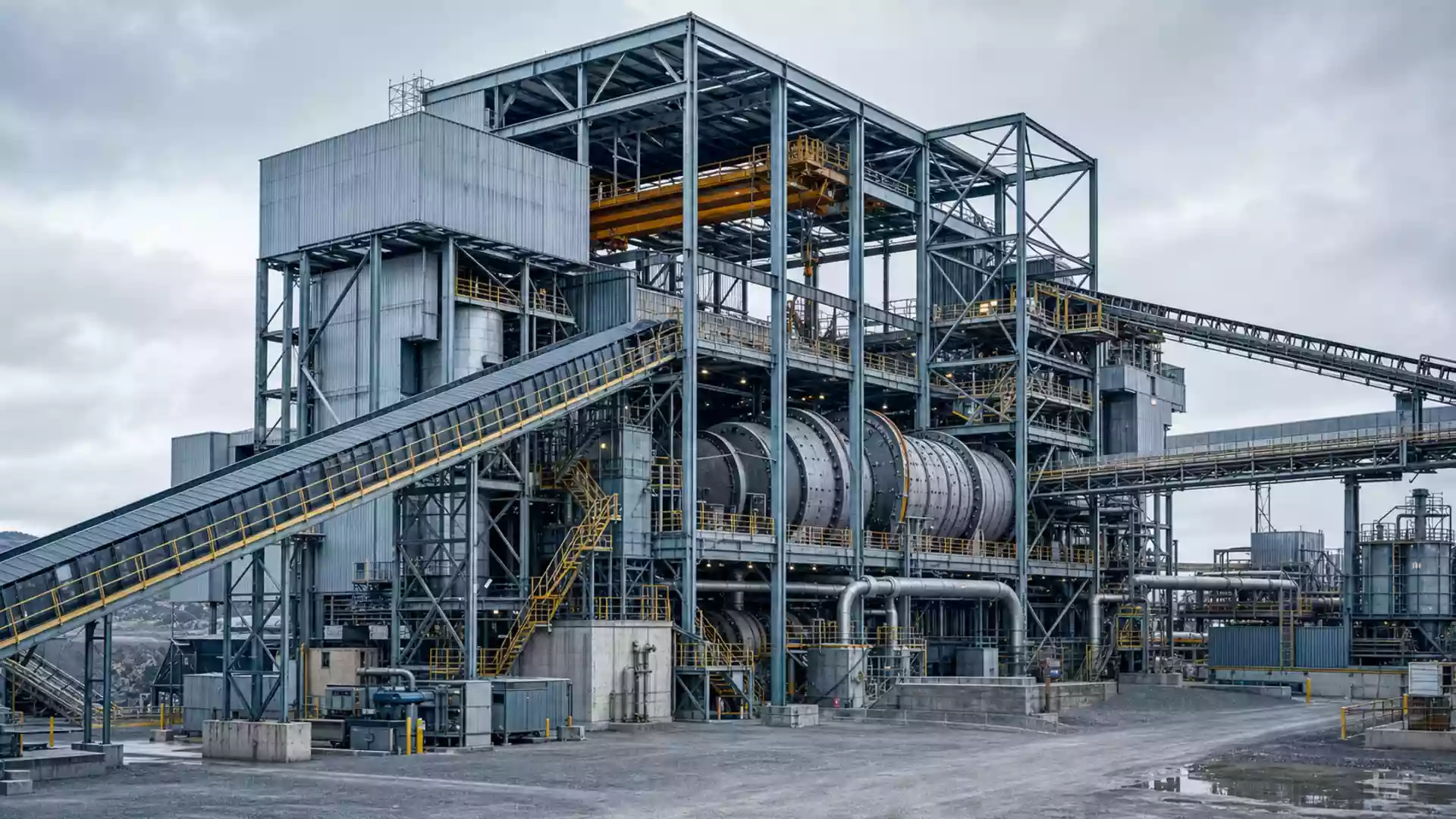
Two research houses cut their expectations for Almonty within a day of each other this week, and the market wasted little time responding: the stock closed Friday down 16%. The revisions share a common thread — the timing and pace of output from the Sangdong tungsten mine in South Korea.
B. Riley lowered its price target to US$18 from US$20 on November 17 while keeping a "Buy" rating, citing Sangdong's later-than-expected contribution to production. For the fourth quarter of 2026, the firm now models adjusted EBITDA of just US$3.6 million, a steep markdown from the US$31.3 million it had previously penciled in.
Diamond Equity Research moved on the same day, trimming its fourth-quarter 2026 earnings-per-share estimate to US$0.04 from US$0.14. The house also pulled back its 2027 forecast, to US$0.67 per share from US$1.04. In its Almonty-funded analysis, Diamond Equity cut the illustrative value per share to US$18.40, applying lower tungsten prices alongside a slower production ramp-up and a delayed timeline for Phase II. Valuation, in other words, no longer rests on the tungsten price alone — it hinges on when Almonty actually delivers the volumes it has promised.
A Milestone, but Not Yet a Track Record
The operating backdrop is genuinely new. Almonty reported in its third-quarter 2026 update that Sangdong produced tungsten for the first time in 33 years, with initial tungsten concentrate flowing in September. After the quarter closed, the company loaded its first container in Busan. Management said its focus has been on bringing the plant up to speed.
Should investors sell immediately? Or is it worth buying Almonty?
Those are starting points rather than proof. The more telling metric for judging the project will be actual output volumes and how they develop across several reporting periods. For the quarter itself, Almonty posted revenue of C$41.9 million — up 382% year over year — and adjusted EBITDA of C$14.6 million. Net income of C$50.2 million came with a caveat: it included non-cash net gains of C$47.9 million from derivatives and warrants. Those figures cover the whole company, so visibility into Sangdong's ramp-up will depend on whether management breaks out production volumes for the mine.
Contracts Take Some of the Sting Out of the Ramp
One cushion is already in place. More than 90% of Phase I production is contractually committed, according to Almonty. If the plant lifts output, the company will not have to go hunting for buyers for the bulk of its planned volumes — the key uncertainty shifts from sales to execution, and from signed contracts to actual shipments.
A second outlet sits in Spain. Almonty has reported a multi-year supply agreement, with take-or-pay obligations, for tungsten trioxide recovered from processing residues at Los Santos. The contracted minimum is roughly 1,720 tonnes of contained tungsten trioxide. That deal covers different material from Sangdong's, so it broadens the sales base without serving as evidence of progress in South Korea.
What Would Break the Cautious Case
The scale of the cuts shows how far expectations have already come down. Should the ramp-up lag even the more conservative assumptions, contracted volumes would be no substitute for missing output — and weaker tungsten prices would, on the analysts' logic, pile further pressure onto the valuation.
Almonty at a turning point? This analysis reveals what investors need to know now.
Separately from operations, a legal dispute is running its course. Deutsche Rohstoff valued its claims against Almonty in Canada at about US$67 million on November 17, centered mainly on conversion rights and outstanding loans. Almonty has filed its own suit. The proceedings have been consolidated, and the figure is a claim, not a settled payment.
The next real test arrives with Almonty's forthcoming disclosures on the Sangdong ramp-up. A higher reported output would support the more optimistic case; for Phase II, investors will want to see whether the company reports progress on the next stage of expansion. Until then, the first concentrate from Korea answers the question of whether Sangdong can produce — not how much it can deliver.
Ad
Almonty Stock: New Analysis - 21 November
Fresh Almonty information released. What's the impact for investors? Our latest independent report examines recent figures and market trends.