Alstom's €17 Million Mexico Deal Extends 30-Year Partnership as Cash Flow Questions Loom
Published on 11/28/2026 at 01:22 | Editorial boerse-global.de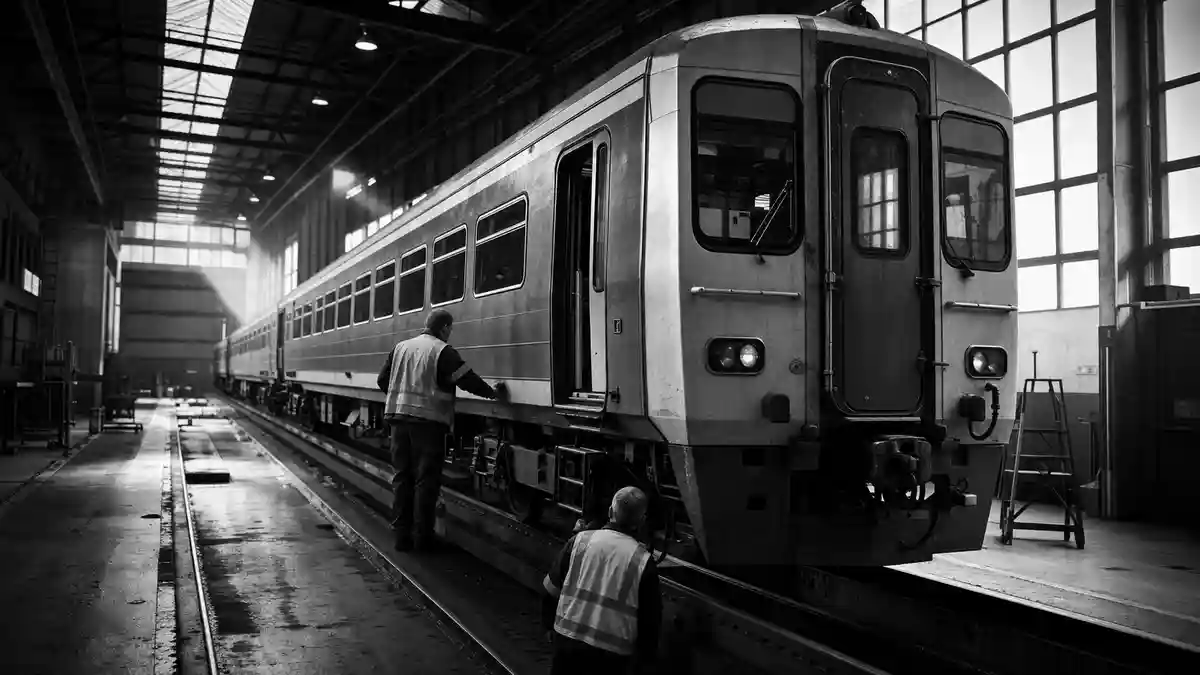
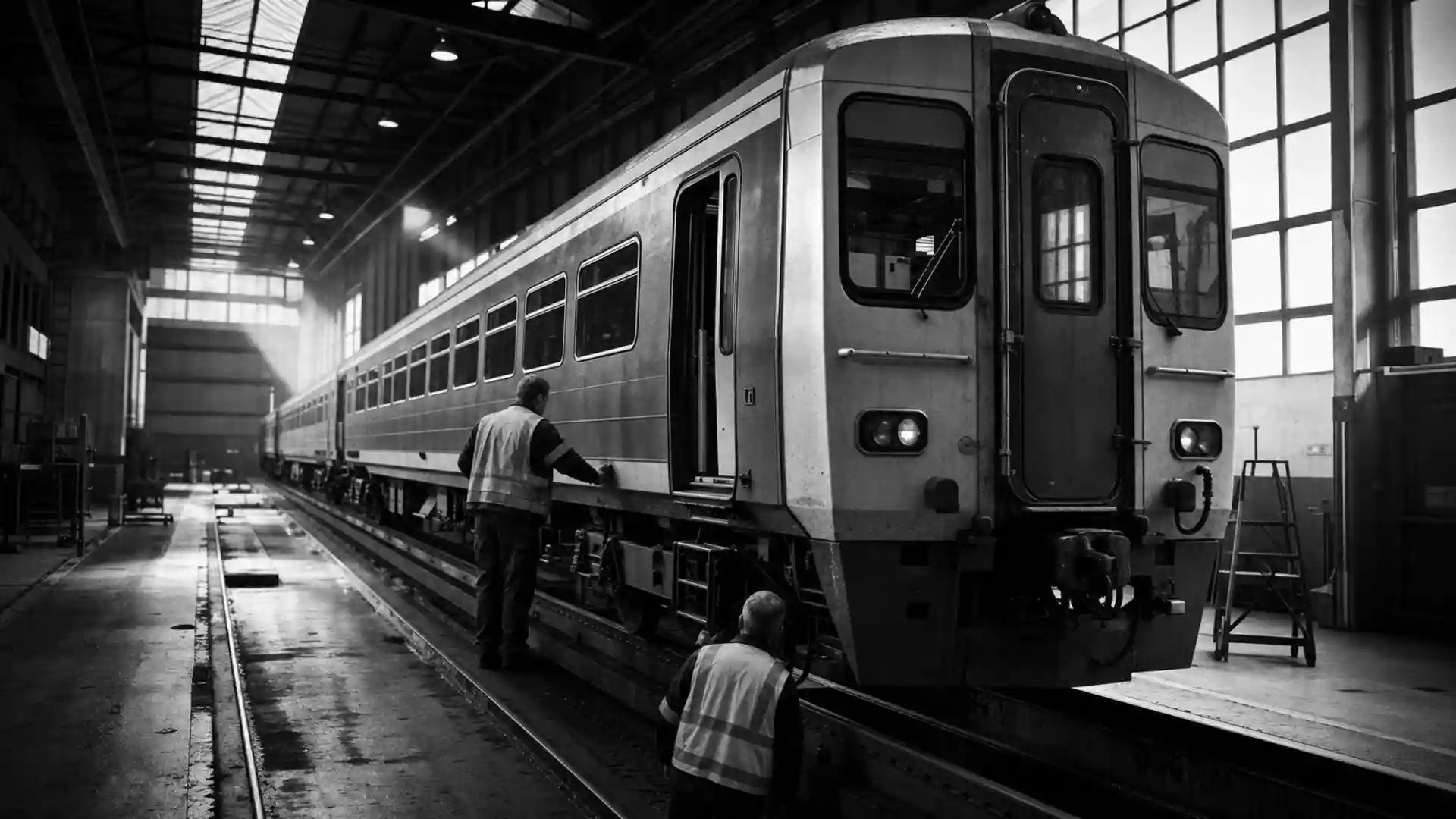
Alstom has signed a maintenance contract worth €17 million with Mexican freight rail operator Ferrovalle, extending a relationship that stretches back more than three decades. The agreement runs through December 2030 and keeps the French manufacturer responsible for locomotive upkeep, with a spare locomotive thrown in for good measure.
Work will be carried out at the Mexico Valley Rail Terminal in Tlalnepantla, from where Alstom services freight locomotives across 563 kilometres of track in the Mexico Valley and the state of Hidalgo. The contract calls for roughly 150 safety inspections each month, covering both preventive maintenance and repairs — meaning Alstom must respond to technical faults as well as perform scheduled checks. The standby locomotive stands ready whenever Ferrovalle needs to swap out a vehicle.
The Mexican extension follows a considerably larger win announced earlier this week: a €1.2 billion contract in Western Europe spanning more than ten years, with a scope that goes beyond maintenance to include modernisation and operations. In London, a separate Alstom project targets workshop operating costs — a system that cuts the heating when gates open for train movements. After deployments at the Golders Green and Morden tube depots, installation at Wembley is slated for completion by the end of 2026. Gas consumption at both depots came in below their respective benchmarks.
Order Value and Profitability Are Two Different Things
What the Ferrovalle deal secures is multi-year maintenance work. What it does not reveal is the margin those services will generate — a distinction that matters for anyone holding the stock. Early in November, Alstom cut its guidance for the adjusted EBIT margin in fiscal 2026/27 to around 1%, and it still expects free cash flow of minus €1.5 billion for that year. The next date on the medium-term calendar is a capital markets day scheduled for the second quarter of 2027.
Should investors sell immediately? Or is it worth buying Alstom?
Those numbers sit alongside first-half figures that lay bare the operational strain: free cash flow of minus €1.248 billion for the first half of 2026/27, an adjusted EBIT of minus €396 million on revenue of €9.3 billion, and an adjusted EBIT margin of minus 4.2%. Even if Alstom hits its full-year target, that would still leave free cash flow in negative territory — hardly a return to positive territory.
The Review That Could Shape the Investment Case
Whether Alstom can get a grip on its contract execution is the question investors are really asking. The company is reviewing its organisation and operational processes, with decisions expected before the end of 2026. That puts the spotlight on what changes it draws from difficulties on the Coradia Max programme and other Germany-related projects.
The shares rose 1.9% in Tradegate trading, but a single day's gain says nothing about whether the troubled projects will run more reliably. What counts is whether the review produces concrete steps for those projects — and whether those steps actually work will only become clear in execution.
A Delivery That Went to Plan
Romania offers a counterpoint. On 19 November, Alstom completed delivery of all 16 electric Traxx Passenger locomotives to the Romanian railway reform authority on schedule, with 20 years of maintenance attached to the contract. The delivery proves Alstom can hit an agreed timetable on that order. It does not prove the problems elsewhere are solved.
In the optimistic scenario, the company tackles the affected projects in a way that makes agreed services more reliable and lets the financial drag from execution ease. That would give the roughly €1.2 billion Western European contract — covering modernisation of a transport system plus its operation and maintenance for over a decade — more weight in the valuation. Order volume alone, though, does not answer what the contract contributes to free cash flow.
Alstom at a turning point? This analysis reveals what investors need to know now.
Risks That Could Slow Any Recovery
The counter-risk is that organisational decisions get made while project difficulties persist. How important it is to separate project progress from a secured deadline is illustrated by Line 18 of the Grand Paris Express: according to Le Monde, Valérie Pécresse, president of Île-de-France Mobilités, described the opening planned for 2026 as severely at risk on 23 November. That is neither a confirmed delay nor evidence that Alstom is responsible. The more concrete risk for the stock lies in the execution problems the company itself has flagged. Should they drag on, Alstom could miss its free cash flow target — and a new major order would not, on its own, prove that the burden is easing.
The next tangible marker is the decisions Alstom expects from its review before the end of 2026. What matters for investors is whether they show how the company intends to improve execution on the affected projects. A change in organisation should not be confused with an operational improvement already achieved.
As long as the free cash flow outlook holds, it remains the yardstick for the current fiscal year. Concrete steps on the troubled projects could support the recovery scenario. A downward revision of the outlook, by contrast, would point to a longer-lasting financial burden. The upcoming decisions may show where Alstom is focusing its efforts — whether they succeed must show up in project execution and in free cash flow.
Ad
Alstom Stock: New Analysis - 28 November
Fresh Alstom information released. What's the impact for investors? Our latest independent report examines recent figures and market trends.