Amazon's Growth Engine Meets Its Ground Game: Union Ruling, Water Dispute and a Legal Test
Published on 11/14/2026 at 01:11 | Editorial boerse-global.de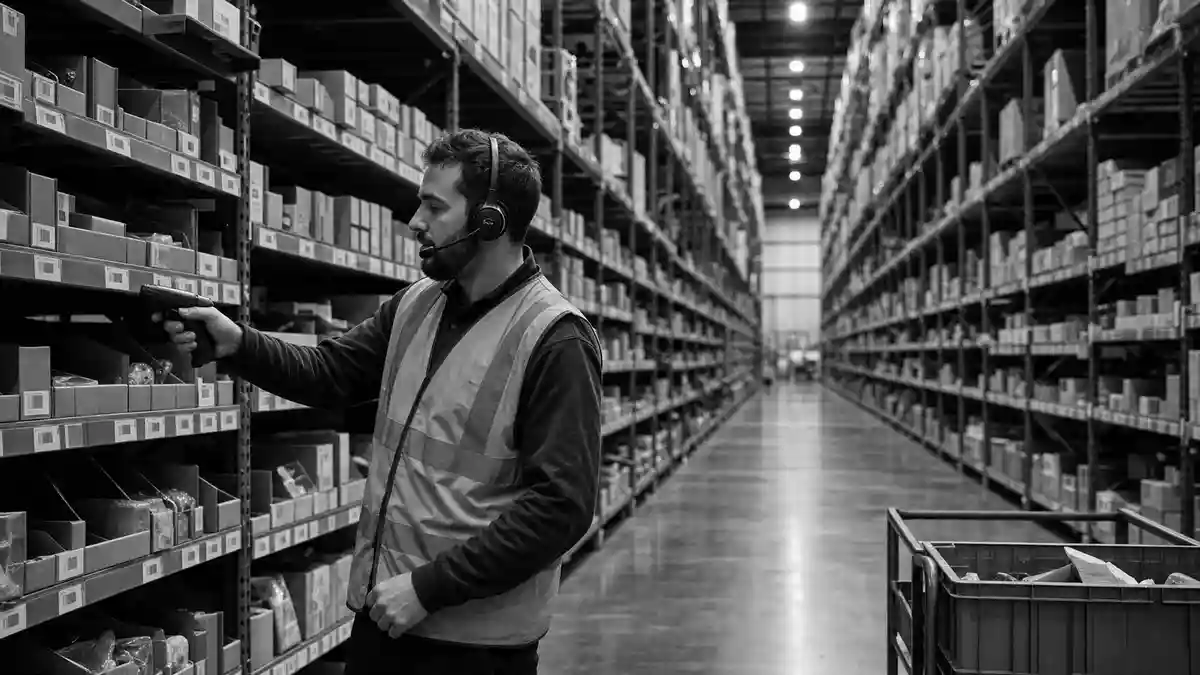
Amazon's week has been less about what it sells and more about how it builds. A binding arbitration award in Canada, a fight over water in Washington State, a biometric privacy case cleared to proceed and a clutch of partnership announcements all landed within days of each other — a reminder that the company's expansion is increasingly negotiated rather than simply executed.
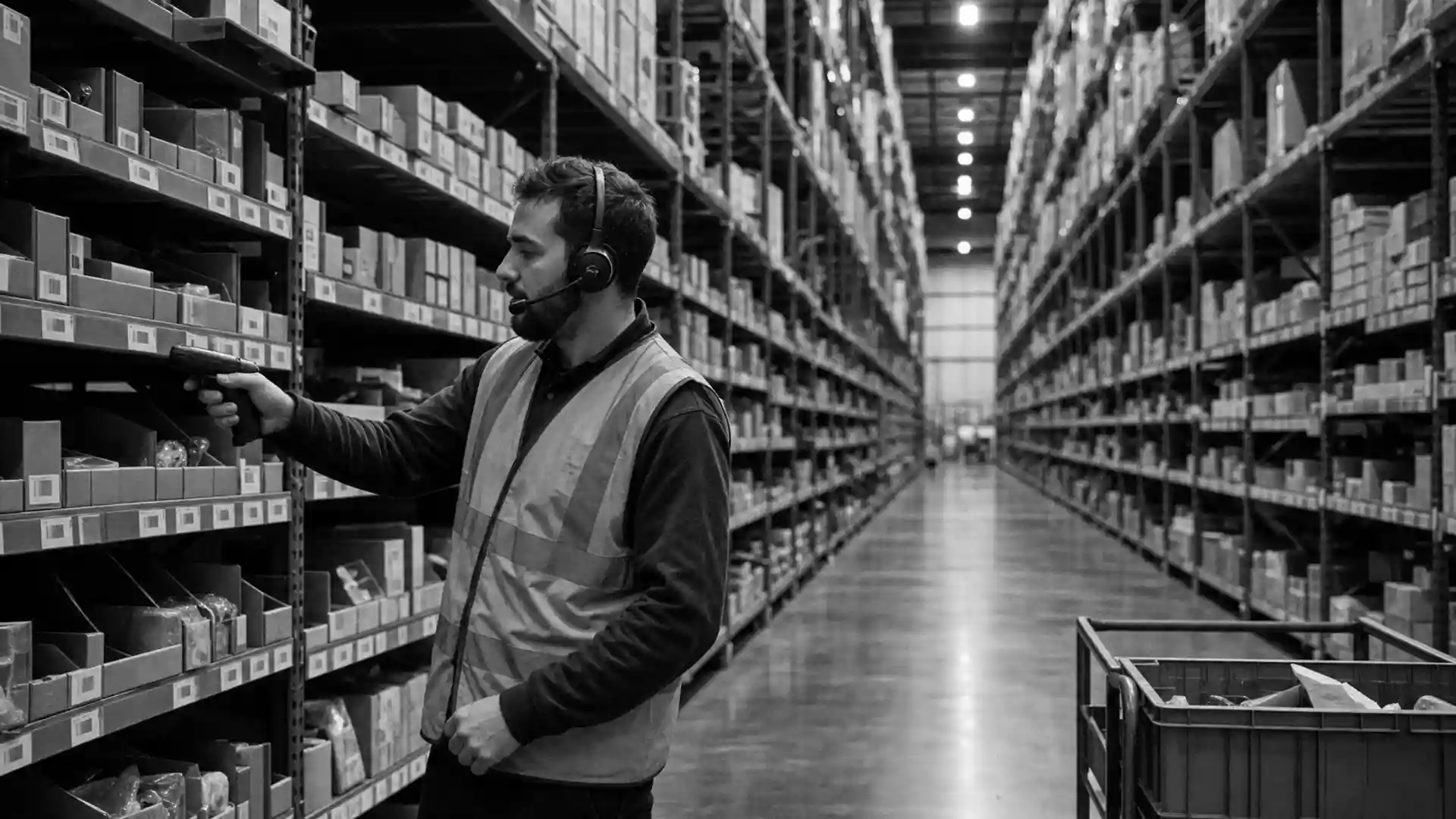
A British Columbia warehouse becomes the test case
An arbitrator has imposed a collective agreement covering the YVR2 logistics centre in Delta, British Columbia. According to Amazon, the contract runs for three years and requires covered employees to become members of Unifor. The company puts potential union dues at up to CA $1,064 per employee in the first year, and says it will press on with its legal challenges.
Those figures carry the company's own framing, and the dues fall on workers rather than shareholders. For investors, the more consequential detail is the promised continuation of litigation over the rules governing the site. Predictability in workplace arrangements would be valuable for operational execution — but only if both sides ultimately own them.
The wider point is that a fulfilment centre cannot be judged on throughput alone. Labour relations belong in any assessment of execution quality, and the Delta ruling is a prompt to view Amazon's growth through that lens.
Walla Walla pushes back on a data centre plan
A comparable clash of interests is playing out in Walla Walla County, Washington, where GeekWire reported public opposition to a proposed data centre complex near the Columbia River. Objections centre on water consumption, agriculture, wildlife and transparency.
Should investors sell immediately? Or is it worth buying Amazon?
Amazon's plans cover roughly 134 acres. The company says it aims to move from potable cooling water drawn from public supply to non-drinkable water from the Columbia River. That proposed switch points to a willingness to engage with a concrete conflict over resource use — provided a workable solution follows. The measure that matters is whether the project can be delivered under local conditions, which is precisely where growth ambitions meet neighbourhood interests.
A union contract and cooling water are unrelated topics. From an investor's seat, though, they converge on a single question: expansion needs rules that can be lived with over time. Amazon's operating strength would look more convincing the more reliably it settles such disputes — which is why these fights deserve attention alongside the headline growth numbers.
JPMorgan keeps the faith as AWS momentum holds
How attractive those numbers look was underscored by a Monday analyst call. JPMorgan kept Amazon on its Analyst Focus List, citing AWS revenue growth of 39% year over year and a contracted order backlog of $578 billion.
That is the bullish case in a nutshell: demand and signed business underpin the case for further expansion. The endorsement gains weight if Amazon reliably delivers the operational and infrastructural groundwork required to serve it.
A privacy suit advances, and two partnerships take shape
On the legal front, a US federal judge on Wednesday certified a plaintiff class in litigation against Amazon Photos. As Bloomberg Law reported, the claim alleges the service's facial recognition feature violated Illinois' biometric privacy statute. Whether Amazon is liable and must pay damages remains unresolved.
Commercial news kept coming. Amazon and Uber launched a partnership on 5 November letting Prime members in the US order through Uber Eats, both on Amazon's website and inside the Amazon Shopping app. Delivery fees are waived on qualifying restaurant orders of $25 or more — an offer aimed squarely at US Prime subscribers who meet those conditions.
On the cloud and space side, AWS on Monday committed $100 million over five years through its Health Impact Initiative, covering artificial intelligence, agentic services and cloud infrastructure. The same day, Amazon said its first Vulcan mission will carry 40 satellites, opening a partnership with United Launch Alliance that spans 38 launches in total.
Taken together, the Canadian ruling shifts the lens on the stock. Beyond the question of additional business sits the quality of how it is delivered. Amazon's opportunity remains tied to its ability to turn demand into dependable operations — and that means agreements with workers as much as viable answers to local infrastructure conflicts. Anyone weighing the shares should take that side of the growth work as seriously as the demand for what the company sells.
Ad
Amazon Stock: New Analysis - 14 November
Fresh Amazon information released. What's the impact for investors? Our latest independent report examines recent figures and market trends.