Amazon Tightens the Screws on Sellers While Teaching Alexa to Take Orders
Published on 11/07/2026 at 04:02 | Editorial boerse-global.de
Amazon gave investors two very different signals this week. On Thursday the company unveiled higher fees for its US marketplace sellers, and it also began letting a select group of American shoppers place orders with Alexa for Shopping by text message. One move squeezes more revenue out of the logistics machine; the other hands a chunk of the buying decision to an AI assistant. Together they sketch a company trying to fund an expensive growth story from the operations it already owns.
A 19-cent lever on the revenue side
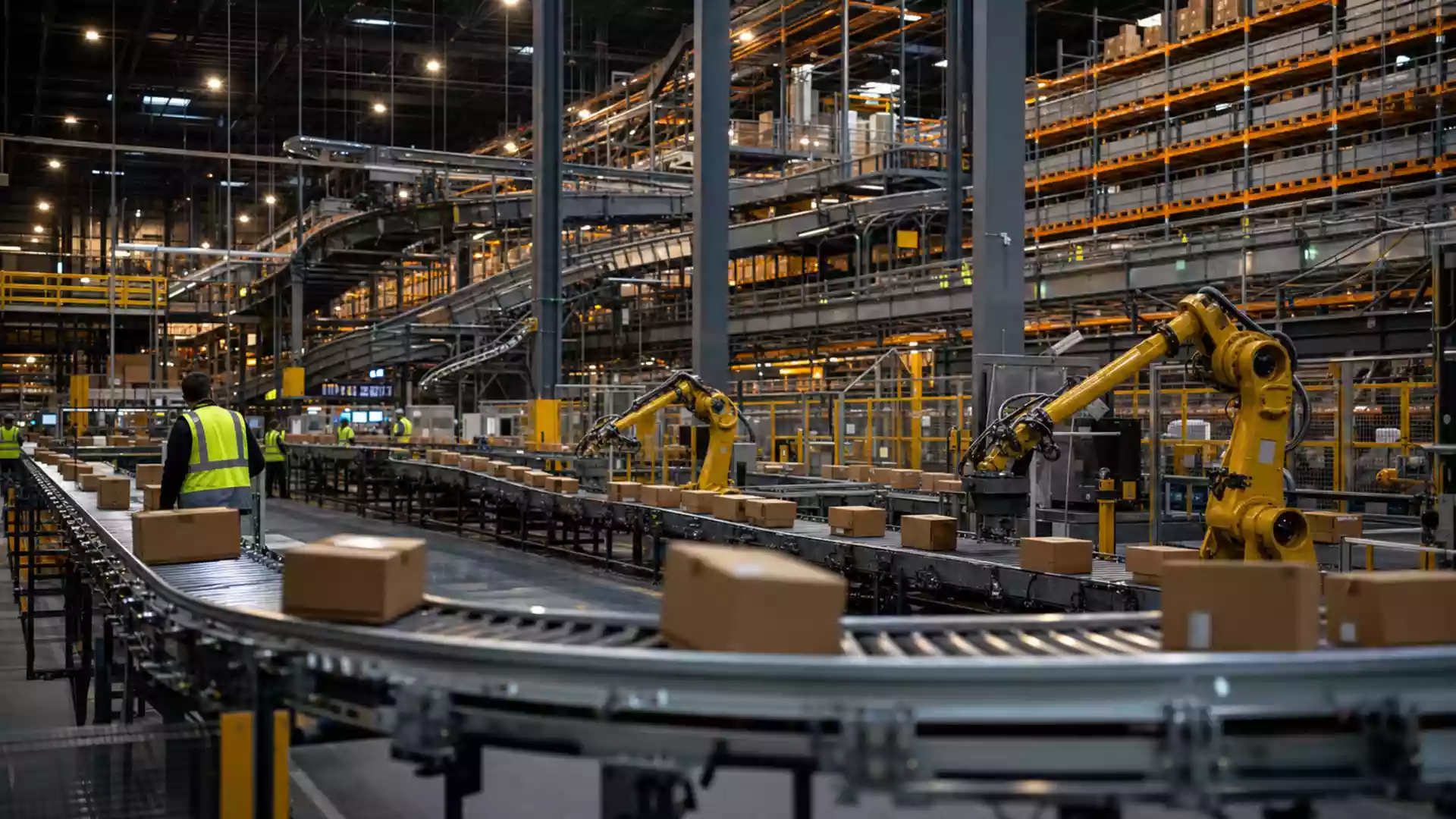
According to company figures, average Fulfillment by Amazon shipping and handling fees in the US will climb by $0.19 per unit sold, with most of the changes taking effect on January 15, 2027. That is a concrete pull on the income statement rather than a vague promise of efficiency.
The appeal for shareholders lies in pairing those charges with cost discipline. Higher fees can lift margins, provided the extra revenue outweighs the pressure on fulfillment. What matters is how much of the increase actually reaches operating profit. The bar for that is set by the quarterly results published about a week ago: worldwide shipping costs came in at $28.3 billion, up 11%, while the number of units shipped rose 12%. Costs growing more slowly than volumes is a good sign on its own, but it only holds if Amazon keeps a lid on expenses under added strain. Management had flagged heavier fuel and inter-facility transportation costs for the closing quarter, which is precisely where the fee increase fits.
Glasses, not just fees
Amazon is also upgrading the tools its drivers carry. Reports on Wednesday said the company plans to deploy 5,000 smart delivery glasses in 2026, rising to more than 20,000 by the end of 2027, with use voluntary for drivers. Projects like this earn their keep only if they genuinely improve the workflow and pay for themselves. For Amazon, higher productivity alongside sensible fees would be the stronger route to a better cost position — the more operational gains it books, the firmer the foundation for rising earnings. Fees address the top line; the delivery hardware targets the process itself. That combination supports the valuation as long as Amazon can show the technology translating into a better cost trajectory.
Should investors sell immediately? Or is it worth buying Amazon?
The $220 billion yardstick
The financial hurdle stays steep. Alongside the results, Amazon confirmed expected cash capital expenditures of roughly $220 billion for 2026. Reports said free cash flow, dented by heavy AI spending, weighed on the market's reaction to the report. That is exactly why the shipping business deserves more attention: the fee decision gains weight if it strengthens operating profitability and helps fund group-wide growth. At this level of investment, expansion has to be measured against its financial staying power.
The cloud unit offers an important counterweight. AWS revenue came in at $46.0 billion, growing 39.3%, a pace that speaks to demand for the offering — provided that growth converts into sufficient cash generation over time. Strong cloud momentum and concrete steps in shipping make a compelling pairing; it becomes more convincing once it produces stronger free cash flow despite the heavy outlays.
Shopping that starts with a text
The second front is the store itself. Amazon opened Alexa for Shopping to a small group of invited US users on Thursday, with millions more to follow in the coming weeks. According to Reuters, the assistant can research and compare products, track deals and complete purchases on customers' behalf. Amazon also describes price-monitoring and order-tracking features. Shoppers can send photos, manage lists and approve orders, and conversations are meant to carry across SMS, the Amazon app, the website and Alexa devices.
The strategic pivot is delegation. Anyone who states a shopping wish and lets Alexa find the products hands part of the selection to the assistant. Amazon benefits from tying product search and approved checkout inside its own walls — as long as the recommendations reliably match what customers want. The reach is considerable: more than 400 million customers used Alexa for Shopping in the past twelve months, per company figures, and use of the agentic features has grown more than eightfold since January. Those numbers point to appetite for assisted buying, though the real test is whether occasional questions turn into repeat orders. The SMS channel shortens the distance between a passing need and a completed purchase.
When the recommendation becomes ad space
The trickiest part of the model sits right there. Digiday reported that sponsored products can appear among recommendations in text conversations, with those placements free for advertisers for now. Purchases the agent executes itself remain ad-free. The open question: in the decisive moment, does the right answer win or the paid placement? Embedding advertising in conversational recommendations works for Amazon if the selection stays convincing. The risk is a loss of trust if users come to see the advice as sales space rather than shopping help. With delegated decisions, the assistant has to earn its usefulness on every order.
Amazon at a turning point? This analysis reveals what investors need to know now.
Control over the front door to the shop belongs in the bigger picture too. Amazon blocked Meta Muse in September, telling Reuters it acted over suspected unauthorized access to its online store and stored customer credentials. With its own assistant, Amazon is widening the door instead. The company wants to shape AI-driven commerce itself, and that strengthens its hand if shoppers favor its assistant and accept its choices. Proximity to checkout can then matter more than a single visit to a product page.
For investors, the value of all this hinges on the quality of the delegation: good recommendations, clear consent and dependable orders that bring customers back. The SMS rollout is a concrete next step. Its long-term weight depends on whether a convenient conversation hardens into a durable shopping habit — and whether the fees and the technology together turn into the cash that pays for the buildout.
Ad
Amazon Stock: New Analysis - 7 November
Fresh Amazon information released. What's the impact for investors? Our latest independent report examines recent figures and market trends.