Bargain Hunters Step In After Gold's October Low, but the Fed Still Holds the Cards
Published on 11/13/2026 at 13:41 | Editorial boerse-global.de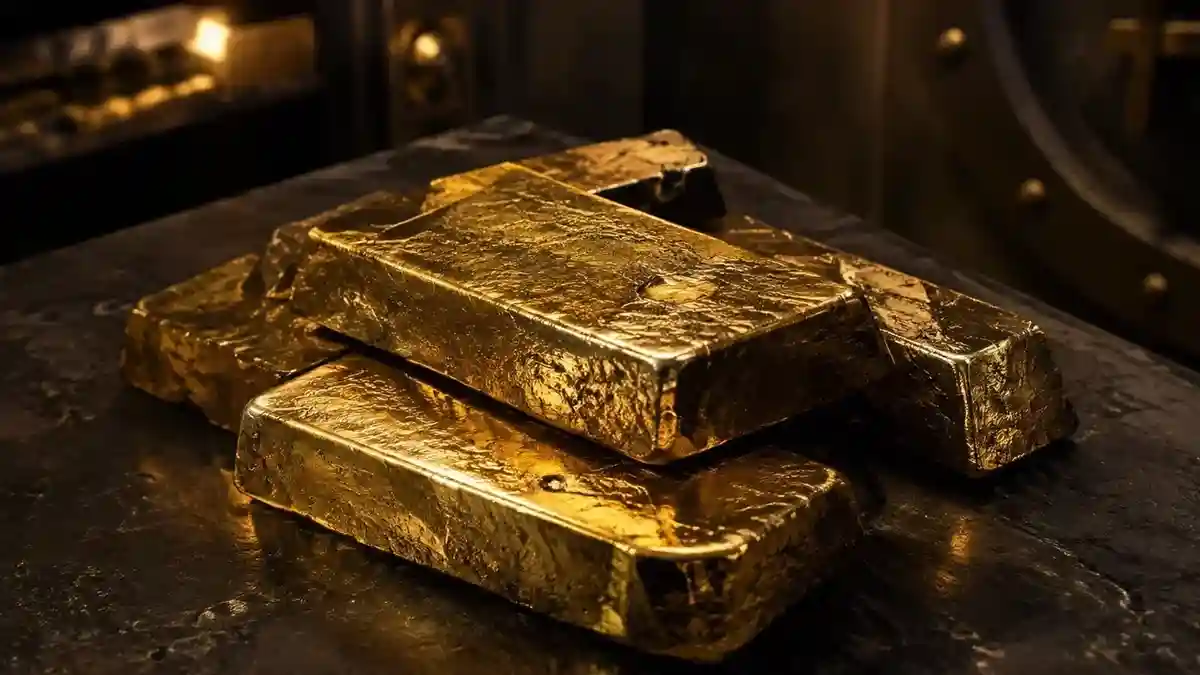
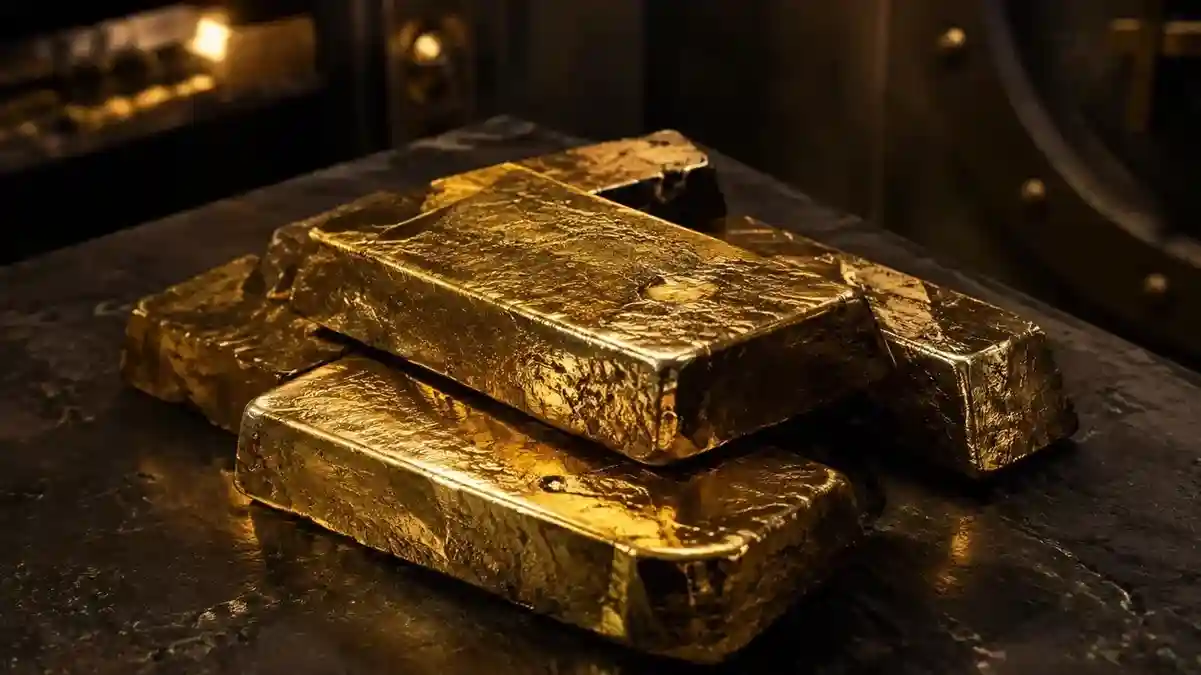
Gold found its footing on Wednesday after a bruising session that had briefly pushed the metal to its weakest level since October of last year. Spot prices climbed 0.5% to $3,893.23 an ounce, a modest rebound that nevertheless left bullion tracking toward a weekly loss as the prospect of persistently high US borrowing costs caps any meaningful recovery.
The prior session ended at $3,874.31 an ounce, a daily decline of 2.8%. Dip buyers emerging after that slide provided the immediate support, though the broader backdrop remains anything but comfortable.
Inflation Data Reset the Rate Calculus
The trigger for the selloff came from Tuesday's US consumer price report, which showed a 0.4% month-on-month rise for October — ahead of the 0.3% consensus in a Reuters poll. The upside surprise lifted both the dollar and Treasury yields, a combination that raises the opportunity cost of holding a non-yielding asset like gold.
Oil prices added fuel to the fire. With hopes of a diplomatic breakthrough in the Middle East fading, crude's advance sharpened inflation worries and reinforced expectations of further tightening from the Federal Reserve. Fed President John Williams said yesterday that additional rate hikes were likely in order to bring inflation down, and restrictive comments from other Fed officials have cemented market expectations of a December increase. The dollar, meanwhile, touched a 19-month high.
Should investors sell immediately? Or is it worth buying Gold?
ANZ analysts pointed to rising energy costs, stronger economic data and higher bond yields in their assessment today, noting that these forces — together with the firmer US currency — have eroded investment demand.
Positioning Had Already Thinned Out
The scale of October's retreat in market activity suggests the rebound is meeting a more cautious investor base. World Gold Council data showed global gold trading volumes falling 13% month-on-month to an average of $365 billion per day.
Futures positioning tells a similar story. COMEX net long positions dropped by 94 tonnes in October to 560 tonnes, leaving the market far less crowded than it was earlier in the year.
Goldman Sachs, for its part, responded to the Fed's more hawkish stance on 7 November by cutting its price targets. The bank now sees gold at $4,150 an ounce by the end of 2026, down from $4,650, and at $4,800 by the end of 2027, reduced from $5,400. Both revisions reflect the same higher-for-longer rate environment.
Official Buyers Keep the Floor Intact
Offsetting the investment-side retreat, central banks continue to accumulate. The World Gold Council reported on 3 November that official institutions bought a net 321 tonnes in the third quarter of 2026 — a 42% jump from the same period a year earlier. Poland and China led the purchases.
Gold at a turning point? This analysis reveals what investors need to know now.
That official demand provides a fundamental counterweight to softer investor appetite, though it has done little to shield prices from the day-to-day sway of oil, the dollar and Fed expectations.
Attention now turns to US producer price figures for October, due at 13:30 GMT. Whether the data reinforce the case for further monetary tightening will go a long way toward determining if Wednesday's bounce has legs — or whether another inflation signal to the upside simply renews the pressure that sparked the latest rout.
Ad
Gold Stock: New Analysis - 13 November
Fresh Gold information released. What's the impact for investors? Our latest independent report examines recent figures and market trends.