BMW's November Launch Calendar Meets a Supply-Chain Snag
Published on 11/10/2026 at 11:21 | Editorial boerse-global.de
BMW has picked the worst possible moment for a parts shortage. Just a day after unveiling an aggressive two-model China rollout for November, the Munich-based carmaker confirmed short-term bottlenecks in externally sourced components that are hitting production at Regensburg, Leipzig and Oxford, according to dpa. The timing matters: the company is asking investors to judge it on a EUR 2.5 billion-plus free cash flow target for its automotive business in 2026 while it simultaneously absorbs an expanded portfolio and restructuring programme.
A launch offensive built on tight deadlines
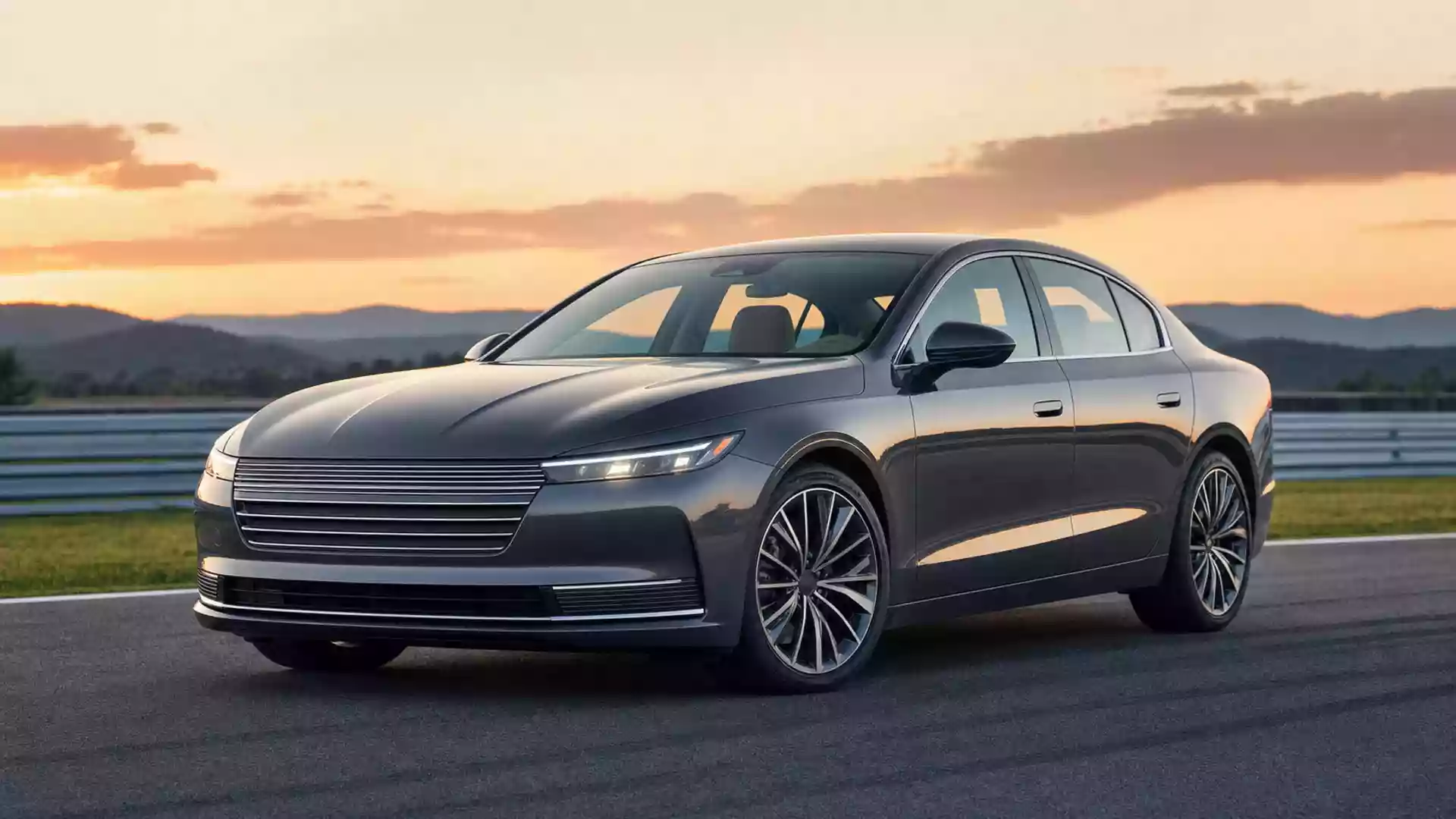
The product push is tightly scheduled. The new iX3 reaches the Chinese market on 25 November, with deliveries to follow in stages. Two days later, on 27 November, the i3 makes its debut at the Guangzhou auto show, where binding orders will also open. BMW is keeping pricing uniform across China for the i3, though the first customer handovers are not planned until the first quarter of 2027 — a run-in period between order books opening and cars reaching driveways.
Under the skin, the i3 pairs BMW's sixth-generation electric drive with the "Heart of Joy" control system and the panoramic iDrive operating concept. A driver-assistance system co-developed with Momenta rounds out the package. The offensive, in other words, covers both powertrain and digital hardware.
Cheaper cells as a margin lever
Alongside the launches, BMW is widening its battery mix. CEO Milan Nedeljkovic confirmed on the third-quarter 2026 earnings call that selected Neue Klasse electric cars will increasingly use LFP cells. The cheaper chemistry could support profitability — provided the cost savings stay inside the company rather than being passed to customers. The Chinese iX3 30L illustrates the approach: a 77 kWh LFP pack and a claimed 630 kilometres of range on China's CLTC cycle. Other Chinese iX3 variants stick with NMC batteries. Whether lower cell costs translate into lower sticker prices is a pricing decision, which is why order intake alone won't settle the question — the profit per vehicle will.
Should investors sell immediately? Or is it worth buying BMW?
The cash target is the real yardstick
For shareholders, the free cash flow guidance carries more weight than a single quarter's margin, especially while restructuring charges run. BMW trimmed its outlook because of additional burdens from the expanded portfolio and structural measures booked in the fourth quarter. A durable recovery would therefore have to digest both the operating trend and the financial fallout from those steps.
There is a counterweight. In the third quarter of 2026, the automotive margin came in at 3.4%, down from 5.2% a year earlier but above expectations, according to dpa-AFX. The market has already shown how it rewards that combination: on 4 November, the stock recovered from early losses to trade higher during the session, with dpa-AFX pointing to the auto margin, the announced restructuring and savings measures, and tailwind from a settlement agreement.
Multiple fronts of pressure
The parts disruption lands on top of an already crowded risk list. S&P Global Ratings cut BMW's long-term and short-term issuer ratings from "A/A-1" to "A-/A-2" on Thursday, keeping a negative outlook. The agency cited tougher competition in China, earnings pressure and US tariffs among the drags. Deliveries are also guided moderately lower for the current financial year — which makes any additional hit to output especially unwelcome if it complicates financing the overhaul.
BMW at a turning point? This analysis reveals what investors need to know now.
China is where the stakes are highest. Third-quarter 2026 deliveries there fell 24.8% year on year, so the Neue Klasse arrives in a market where BMW has surrendered substantial volume. The November dates give investors concrete anchors; whether the strategy pays off will be decided by demand and by how quickly deliveries ramp up.
What to watch next
The near-term catalyst is straightforward: further company disclosure on when cancelled shifts resume and how large the production hit turns out to be. That will tell whether BMW is managing a temporary glitch or facing one more obstacle in its restructuring. Until then, the investment case rests on the link between factory floors and cash generation — a stabilised supply chain would keep the recovery story intact, while prolonged outages that force another round of guidance revisions would tilt the picture decisively the other way.
Ad
BMW Stock: New Analysis - 10 November
Fresh BMW information released. What's the impact for investors? Our latest independent report examines recent figures and market trends.