CATL Builds an Ecosystem Around the Battery: Transit Deals, European Storage and an Aviation Niche
Published on 11/11/2026 at 01:31 | Editorial boerse-global.de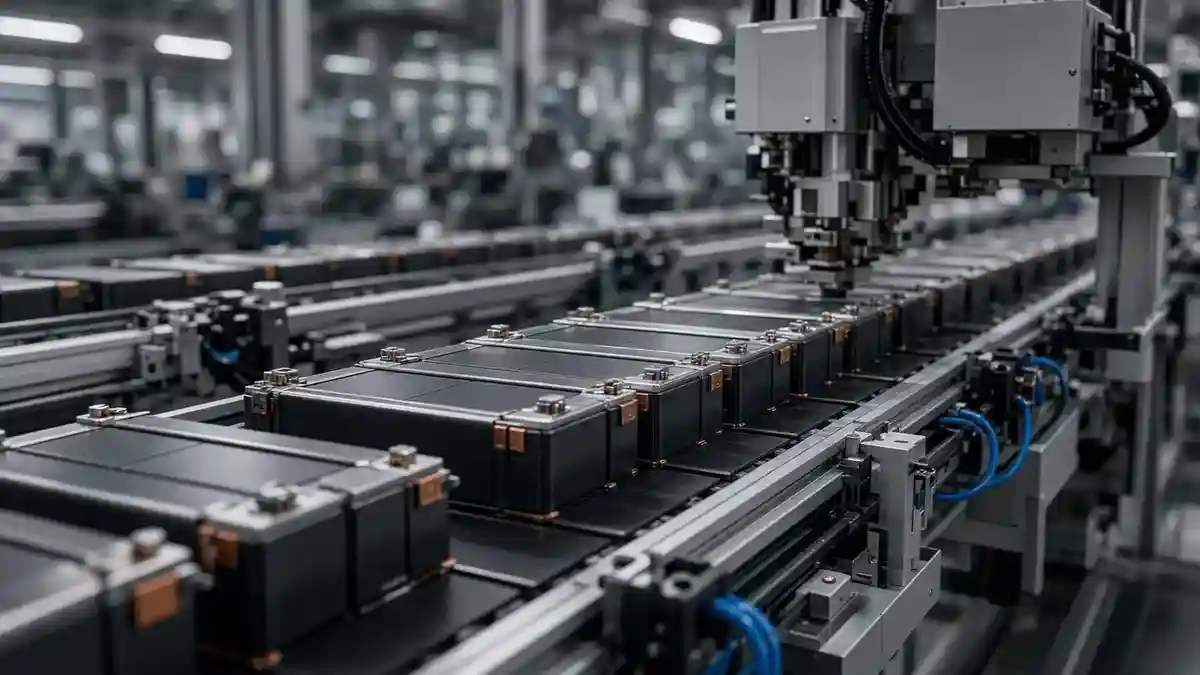
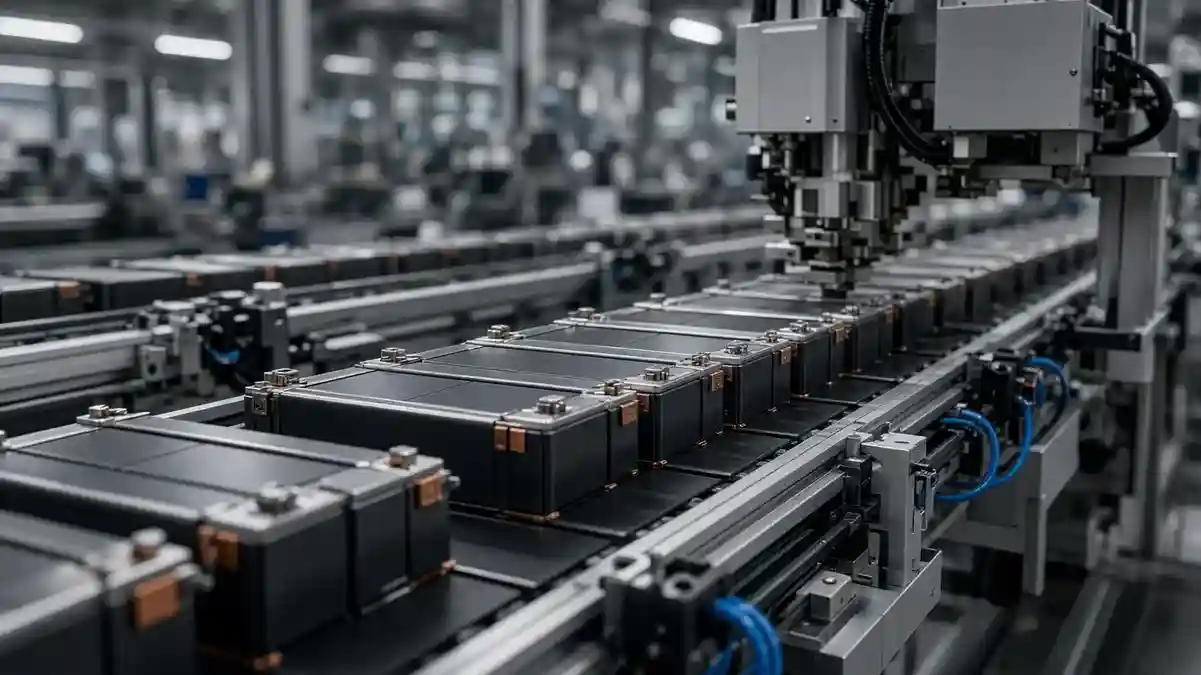
CATL is pushing past the simple sale of battery cells. In a burst of announcements spanning public transport, home energy storage and electric aviation, the Chinese battery giant has sketched out a strategy in which the battery becomes the starting point for a wider set of services — swapping, servicing, recycling and grid interaction — rather than the end product itself.
The most concrete piece of that puzzle arrived in the form of strategic cooperation agreements with four Chinese transit operators: Benxi Passenger Transport Group, Changzhou Transit Group, Guiyang Public Transport Group and Lanzhou Public Transport Group. According to media reports, the arrangements cover battery supply and exchange, customer service, citywide battery-swap networks, recycling, and vehicle-to-grid interaction. The breadth is the point. Rather than a one-off delivery notice, the deals tie a battery's deployment to its upkeep and its eventual disposal — a linked chain that only pays off if CATL can actually coordinate the various tasks in day-to-day operations.
From the vehicle to the grid
The larger idea running through the transit pacts is the coupling of mobility with energy supply. A swap network touches fleet operations; vehicle-to-grid interaction pulls the power system into the frame. That logic gains weight if the operators adopt these building blocks together and extract practical value from them. For investors, the question shifts accordingly: how much value can CATL create around a battery once it has been delivered? The answer hinges on the role the company genuinely takes on in swapping, servicing and recycling. The tighter those tasks can be woven together, the more convincing the strategic case for the package. The citywide approach matters in particular because it places the individual battery in a broader operational context. The test, ultimately, is execution at each transit operator.
A related thread runs through CATL's home-storage ambitions. On 4 November, CATL, Ampace and Octopus Energy signed a memorandum of understanding to explore smart storage solutions for Europe, with the UK, France and Spain as the initial focus. Octopus Energy describes the plan as linking its software platform and electricity tariffs with the battery technology and hardware from CATL and Ampace. Here too the approach reaches beyond a single technical product: the collaboration would carry strategic weight for CATL if hardware, controls and household tariff design mesh sensibly.
Should investors sell immediately? Or is it worth buying CATL?
Storage at scale and a foothold in aviation
The same theme recurs at utility scale. On 29 October, CATL gave the TENER+ energy storage system its global debut at All Energy Australia, signing memoranda with Hitachi Energy, EPEC Group and UNSW Sydney to implement large battery storage projects and their grid connections. Grid integration is thus a recurring concern across very different applications — a sign of a coherent strategic direction, provided CATL can successfully interlock its battery technology with its partners' contributions.
Aviation is the newest frontier. On 3 November, CATL agreed to work with Blue Vector Intelligent Technology on a custom-built aviation battery for the latter's SKYLA V30 electric vertical take-off and landing aircraft. Blue Vector selected CATL as the exclusive battery partner for the model, so the arrangement covers both development of the specially adapted battery and CATL's sole-supplier role for that aircraft's battery needs.
Buyback progress
Alongside the deal flow, CATL disclosed the state of its share repurchase programme on 3 November. As of 31 October, the company had bought back a total of 19.6 million A-shares at a cost of RMB 5.36 billion, according to its own figures.
CATL at a turning point? This analysis reveals what investors need to know now.
What unites the transit agreements, the European storage memorandum and the Australian grid projects is the embedding of the battery in its surroundings — software and tariffs in the home, swapping, service and grid links in transport. That points to a plausible direction for CATL, so long as partners combine their respective contributions into offerings that work in practice. The yardstick for the stock is delivery on those connections: supply, operation and recycling coming together, and the agreed cooperation holding up in the everyday business of each partner.
Ad
CATL Stock: New Analysis - 11 November
Fresh CATL information released. What's the impact for investors? Our latest independent report examines recent figures and market trends.