
Fatal Farm Accidents Highlight Persistent Risks for Outdoor Workers
Published on 09/01/2026 at 13:57 | Editorial boerse-global.de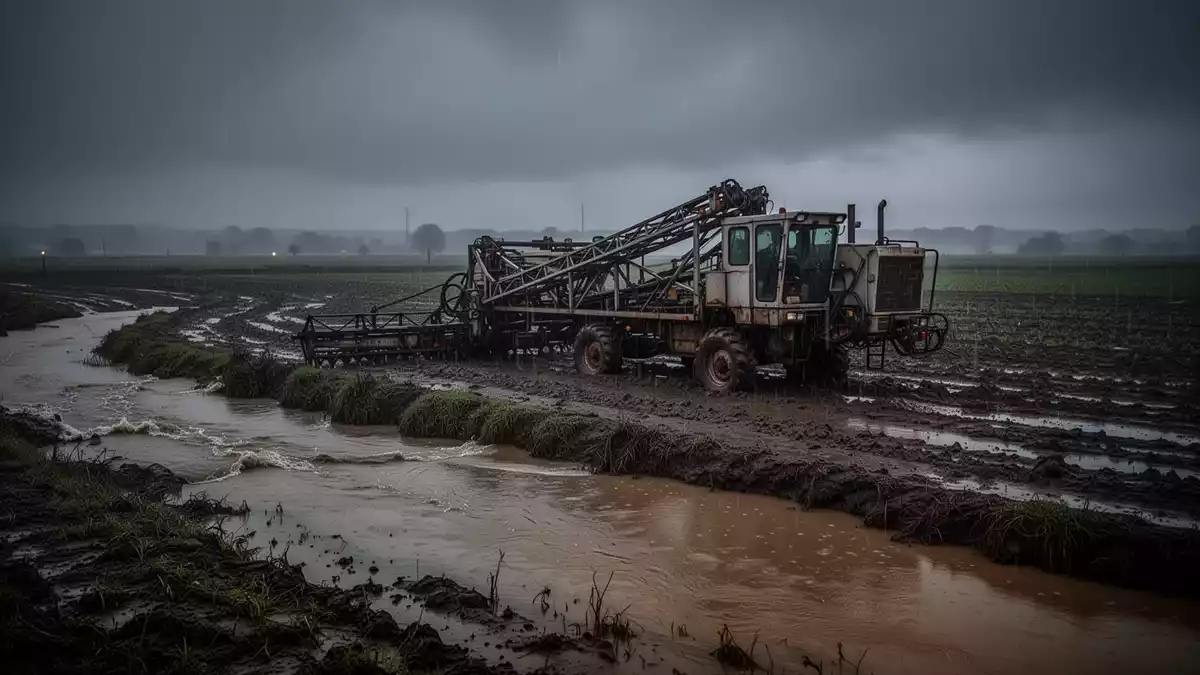
A string of fatal workplace accidents across multiple countries in late August 2026 has cast a fresh spotlight on the dangers facing agricultural and outdoor workers. From machinery entanglements in Italy to drownings during record rainfall in South Korea, the incidents underscore the safety challenges that persist across the farming and logistics sectors — and carry clear lessons for UK employers operating in similar environments.
Record Rainfall Claims Lives in South Korea
South Korean emergency services confirmed the deaths of two farmers on September 1, following a period of torrential storms that brought up to 190mm of rain to parts of the country. Both men had been reported missing the previous day.
A 67-year-old farmer working in a greenhouse in Gochang-gun was found dead near the Galgok Stream, with local authorities indicating he had been swept away by a swollen river. A second farmer, in his 70s, was discovered at a weir in the Hangyo Stream in Jeongeup — roughly four kilometres from the rice paddy he had gone to check that morning.
Search operations involved drones and multiple emergency personnel after family members discovered abandoned tools and footwear near the work sites.
Machinery and Delivery Deaths Under Investigation
Operational risks claimed further lives on August 31. In the Italian province of Ferrara, 41-year-old Andrea Lanzoni died after becoming trapped in agricultural machinery while collecting irrigation hoses at a farm in XII Morelli. He sustained a fatal head injury during the incident, which is now under investigation by workplace safety authorities.
In Piacenza, a 43-year-old temporary driver, Pasquale Andriotta, died while performing a delivery on the final day of his fixed-term contract. The timing prompted local labour unions to raise concerns about working conditions and organise a strike among his colleagues.
Elsewhere, a 42-year-old farmer in India died after falling into a well while checking irrigation water levels, and a 58-year-old worker in Ullum, Argentina, was crushed when a bulldozer blade detached during maintenance on August 29. In California, a 25-year-old park employee died in a rollover crash near Trabuco Canyon the same day.
These incidents are a stark reminder that workplace hazards can emerge anywhere — often where they are least expected. A free Health & Safety Toolkit provides ready-to-use risk assessments and checklists that help you identify dangers before they turn into tragedies. Download the free Health & Safety Toolkit
Safety Failures and New Government Spending
The recent fatalities coincide with reports of systemic safety failures and fresh government initiatives aimed at reducing workplace risks. A review of safety records for Taylor Farms found that the produce supplier failed to submit required federal injury logs for several facilities where fatal or serious injuries occurred between 2021 and 2025. The company's reporting rate sat at 78% — below the industry average. Since 2021, Taylor Farms has faced $1.8 million in citations following incidents including an ammonia leak and a worker fatality.
In response to growing climate risks, South Korea's Rural Development Administration has proposed a 2027 budget of 1.21 trillion won ($883 million) — a 6.5% increase on the current year. The proposal includes a doubling of farm safety support to 4.8 billion won and a significant boost in funding for heat illness prevention. The administration also plans to invest 3.6 billion won in physical artificial intelligence projects for open-field farming, aiming to reduce human exposure to hazardous conditions.
Long-Term Health Risks for Outdoor Workers
Beyond immediate physical accidents, new research has highlighted the longer-term health threats facing those who work outdoors. A study from Penn State, published in recent months, identified a correlation between agricultural environments and elevated melanoma risks.
The research found that adults over 50 in certain cultivated regions of Pennsylvania were 57% more likely to be diagnosed with melanoma. For every 10% increase in cultivated cropland, melanoma cases rose by 14%.
In Ethiopia, a multi-billion-dollar irrigation project has faced criticism over high injury rates and a lack of protective equipment. Data indicates a 36.7% injury rate among workers at the site, with nearly 84% of the workforce operating without personal protective equipment.
When serious incidents happen, the first question inspectors ask is whether your risk assessments were up to date. A free Risk Assessment Toolkit with 41 templates and checklists helps you document hazards properly and demonstrate compliance — from fire safety to lone working. Get the free Risk Assessment Toolkit
Safety experts continue to urge employers to implement strict heat protections — including mandatory hydration breaks every 15 to 30 minutes and recognition of heat stress symptoms — as climate change intensifies the hazards of outdoor work.


