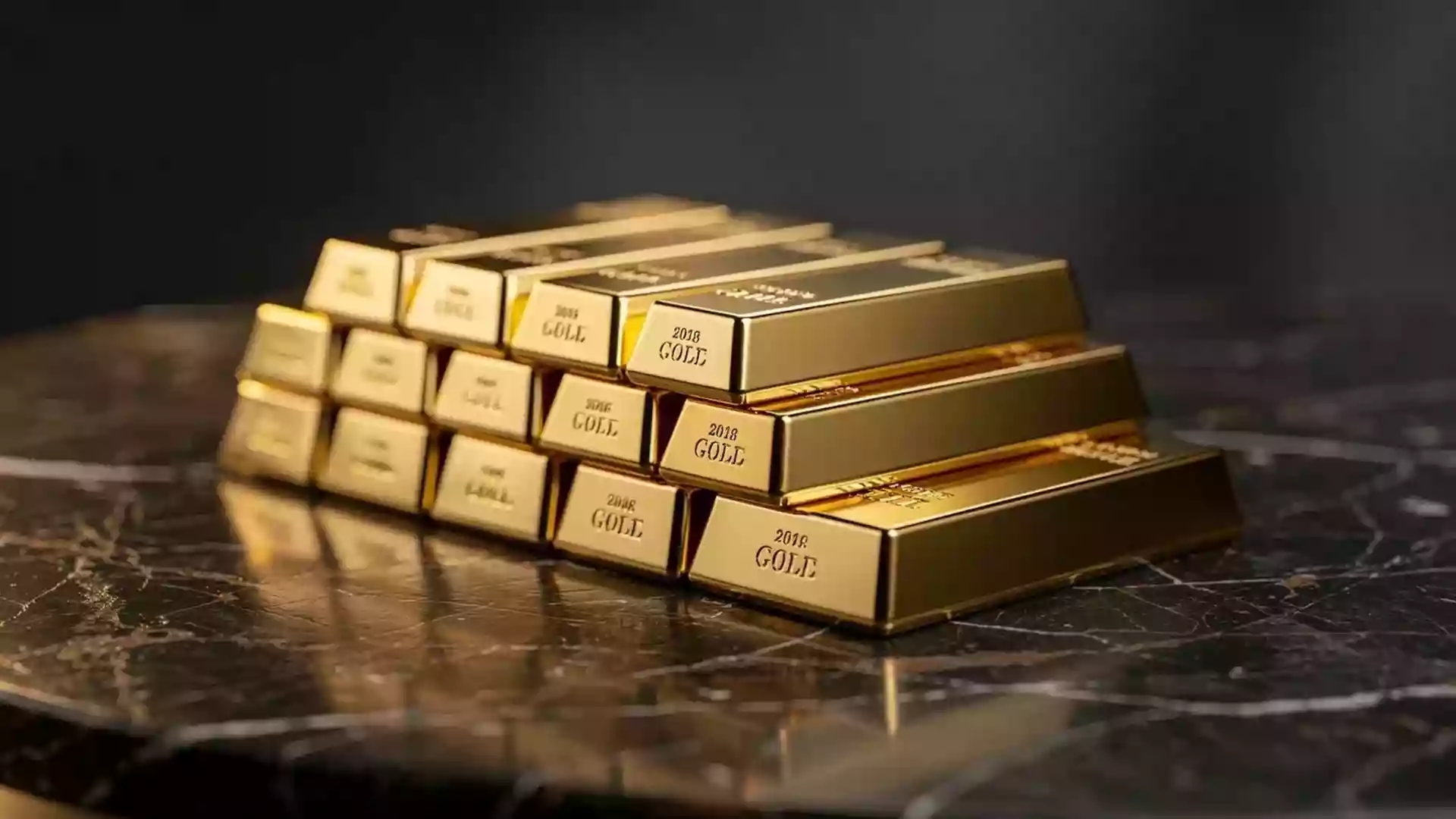
Gold Clears $4,160 as Hormuz Diplomacy and a Central Bank Buying Spree Converge
Published on 08/05/2026 at 11:11 | Editorial boerse-global.de
The precious metals market found itself caught between two powerful currents this week: a geopolitical thaw that lifted the immediate risk premium, and a structural wave of official-sector demand that shows no signs of abating. The result was a decisive move higher on Wednesday, with gold jumping more than two percent to breach the $4,160 mark in a single session.
Qatar's Mediation Effort Reshapes the Energy Calculus
The catalyst for the sharp rally came from the diplomatic track. Qatar has put forward a concrete proposal aimed at resuming shipping traffic through the Strait of Hormuz, with the United States, Iran, and Oman reportedly close to a formal agreement. An official announcement could come as early as Wednesday itself. US Treasury Secretary Scott Bessent expressed confidence in a near-term stabilization of the region, a sentiment that quickly rippled through energy markets.
The market's reaction was immediate and pronounced. WTI crude tumbled roughly seven percent to around $78 a barrel, as traders priced out the prospect of a prolonged disruption to global energy supply. That drop in energy costs fed directly into inflation expectations, which in turn shifted the interest-rate calculus. Futures markets now price just one Federal Reserve rate hike between now and year-end, down from the two moves investors had anticipated just a week earlier. The probability of a September hike has also cooled, slipping to roughly 59 percent from 67 percent a day earlier.
Central Banks Keep the Bid Under Gold
While the diplomatic headlines drove the day's price action, the quieter story of official-sector accumulation continues to provide a sturdy floor beneath the market. The World Gold Council reported that central banks purchased a net 289 tonnes in the second quarter — a record for that period and a 62 percent jump from the same stretch a year earlier. June alone saw 51 tonnes of net buying, led by Poland with 19 tonnes, followed by China at 15 tonnes and Uzbekistan with 9 tonnes. Russia and Turkey, by contrast, trimmed their holdings.
Should investors sell immediately? Or is it worth buying Gold?
China's central bank now holds 2,331.52 tonnes of gold, having added to its reserves for 19 consecutive months. Poland has also been a standout buyer, and the World Gold Council's data underscores how deeply entrenched this demand has become.
The most striking individual announcement came out of Seoul. The Bank of Korea said Monday it would resume purchases of physical gold for the first time since 2013. The central bank plans to start with foreign gold ETFs while simultaneously building a framework to acquire domestically mined gold through the Korea Exchange and the Korea Securities Depository, working with producers LS MnM and Korea Zinc. The target is four to five tonnes per year from domestic output, with Bank of Korea official Jeong Hee-sup flagging a "gradual increase" in purchases over the medium to long term. The central bank cited geopolitical risks and a desire to diversify away from the dollar as motivating factors. Korea's current holdings stand at 104.4 tonnes, just 1.1 percent of its $427.36 billion in foreign reserves — a relatively thin allocation compared with many of its peers. The move echoes Korea's buying spree between 2011 and 2013, when it accumulated around 90 tonnes near what was then a record high; those positions have appreciated considerably since.
Breaking Out of the Consolidation Range
Wednesday's surge carried gold out of a multi-week sideways band that had seen the metal repeatedly find support near the $4,000 level. Analysts at stock3 view the breakout as a potential signal for a sustained trend reversal, though the path ahead remains a matter of debate.
The Deutsche Bank holds a cautious stance, with a year-end target of $4,600. RBC Capital Markets sees considerably more upside, projecting a climb to $5,300 by 2027. The World Gold Council, for its part, expects prices to hover around $4,100 in the second half of the year, though it sees room for a move to $4,500–$5,000 should geopolitical tensions flare again. The "In Gold We Trust" report is far more bullish, envisioning prices as high as $8,900 by the end of the decade.
Gold at a turning point? This analysis reveals what investors need to know now.
A Divergence of Strategies Among Big Investors
Not everyone is playing the gold trade the same way. Hedge fund veteran John Paulson, who sees the start of a long-term bull market in gold, is opting for equities over bullion to express that view. Paulson has taken a 40 percent stake in the Donlin gold project in Alaska through a share transaction and will become co-chairman of NovaGold. Existing NovaGold shareholders will hold 65 percent of the combined entity, with Paulson at 35 percent. The Donlin project boasts roughly 40 million ounces of resources, and NovaGold carries a market value of about $4.2 billion.
What Comes Next
With the Hormuz agreement potentially set to be confirmed later Wednesday, gold's upward momentum could persist in the near term. But the more consequential test may come Friday, when US employment data lands. The ADP report due Wednesday afternoon and the official payrolls figures will be closely watched for signals on how the Fed approaches rates in September — a data point that could easily overshadow the diplomatic progress in the days ahead.
Ad
Gold Stock: New Analysis - 5 August
Fresh Gold information released. What's the impact for investors? Our latest independent report examines recent figures and market trends.