Gold's $4,300 Breakthrough Hangs on a Single Afternoon of US Jobs Data
Published on 08/07/2026 at 14:11 | Redaktion boerse-global.de
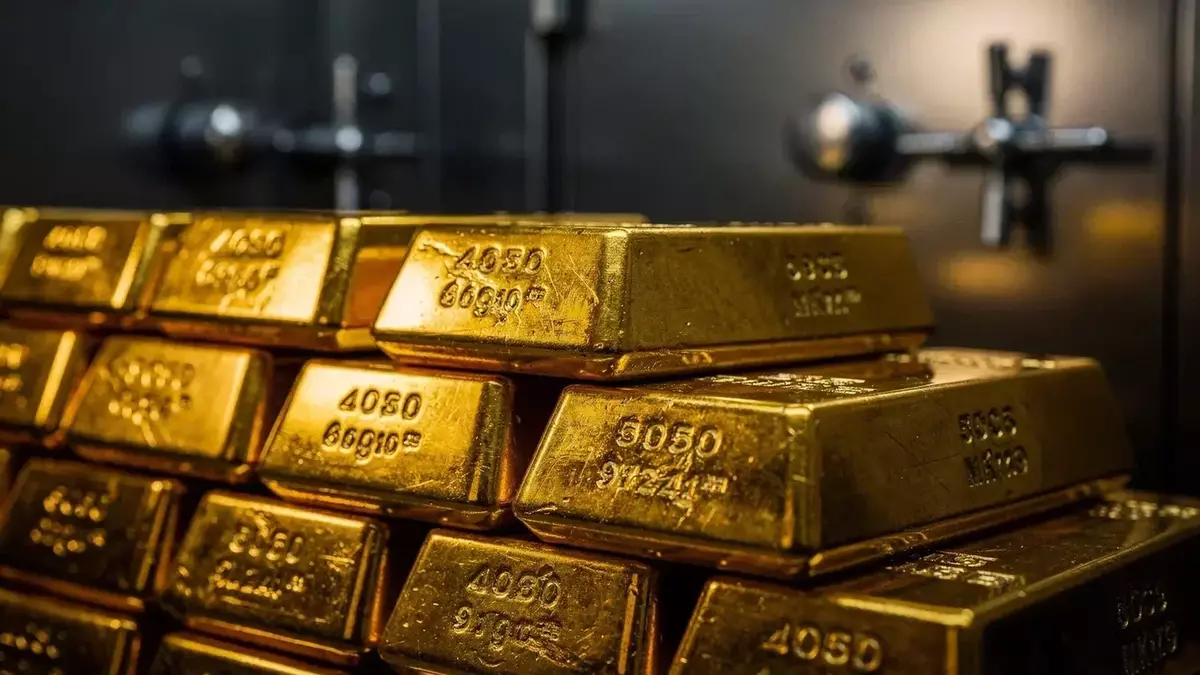
The yellow metal has finally done what traders spent the better part of a week waiting for. Gold punched through the $4,300 threshold on Friday, climbing 1.95 percent to $4,383.40 per ounce — a move that extends a four-day winning streak and puts the spotlight squarely on the US labor market report due at 14:30 German time.
That run of consecutive gains marks the strongest stretch of the year for bullion, and the weekly numbers tell the story: gold is up 5.16 percent over seven days and 5.44 percent on the month. The metal now trades roughly 3.17 percent above its 50-day moving average, a technical signal that the recent momentum has real legs behind it.
The Jobs Report That Could Decide September
All eyes are on the Nonfarm Payrolls figures for July, with economists forecasting job growth of 83,000 to 85,000 outside the agricultural sector. The unemployment rate is expected to hold steady at around 4.2 percent, while wage growth is projected at 3.5 percent on an annual basis.
The stakes could hardly be higher. The CME's FedWatch tool currently prices in roughly a 55 percent probability of another 25-basis-point rate hike in September. But the market's rate expectations have already shifted noticeably — traders now anticipate just one more increase by year-end, down from two a week ago, following a run of disappointing employment data.
Should investors sell immediately? Or is it worth buying Gold?
A soft report would likely crush those tightening expectations further, and that's precisely the scenario gold bulls are banking on. With the metal yielding nothing, a less aggressive Federal Reserve removes a key headwind. Should the numbers come in significantly hotter than forecast, however, profit-taking could quickly follow — after the recent surge, a short-term pullback around the freshly conquered $4,300 zone wouldn't surprise anyone.
Hormuz Diplomacy Cuts Both Ways
The rally isn't purely a rates story. Diplomatic maneuvering around the Strait of Hormuz has been reshaping the commodity complex all week, with gold and oil moving in opposite directions as tensions ebb and flow.
Reports of a possible transitional arrangement between the US, Iran, and Oman to reopen the strategic waterway have weighed on crude prices. Brent has slipped back below $80 per barrel, while WTI experienced a particularly wild ride — plunging nearly 8 percent at the start of the week after a threatened military escalation was called off, then stabilizing around $75 midweek as the Iran-Oman talks showed progress.
That geopolitical relief cuts both ways for gold. The safe-haven bid loses some of its urgency as diplomatic channels open up, but the resulting drop in energy prices dampens inflation expectations. And with inflation-driven rate pressure easing, the case for a less restrictive Fed gains traction — a net positive for bullion.
There's a catch, though. The negotiations remain fragile. Houthi forces in Yemen claimed an attack on a Saudi tanker in the Gulf of Aden and threatened more shipping in the Red Sea. Meanwhile, the draft Iran-Oman agreement contains restrictive provisions — including a proposed ban on US and Israeli vessels transiting Hormuz and penalties of 20 percent of cargo value for violations — that have reignited supply concerns. Brent bounced back above $80 on Thursday, closing at $81.70, after such details emerged.
The Dollar's Quiet Support
Underpinning gold's advance is the greenback's recent weakness. The dollar index sits around 99.8 points, near a six-week low. Since gold is predominantly priced in US dollars, a softer dollar makes the metal cheaper for buyers in other currency zones, supporting physical demand from central banks and institutional investors alike.
Gold at a turning point? This analysis reveals what investors need to know now.
That dynamic has also boosted silver, which has outperformed gold this week. The white metal jumped to roughly $62.5 per ounce, its highest level since late June. Industrial demand provides additional ballast — Chinese imports of silver-bearing ores surged 62.5 percent year-on-year in June to 219,000 tons, reflecting the expanding production of solar panels and grid components that increasingly rely on silver as an industrial input.
What Comes Next
Gold's breakout above $4,300 confirms a move that began midweek, when the metal emerged from a multi-day consolidation range. The next technical marker sits at the 200-day moving average of $4,535.45 — gold currently trades about 3.35 percent below that level, which would serve as the next orientation point for the ongoing rally.
The afternoon session will determine whether the breakout holds. A weak jobs report could open the path toward that $4,535 target. Strong numbers, by contrast, would put the freshly won $4,300 territory back under scrutiny. For a metal that has already delivered its best stretch of the year, the next few hours may well define the summer.
Ad
Gold Stock: New Analysis - 7 August
Fresh Gold information released. What's the impact for investors? Our latest independent report examines recent figures and market trends.