Gold's Summer Resurgence: A Payroll Shock and Geopolitical Diplomacy Collide in Bullion's Favor
Published on 08/08/2026 at 12:45 | Redaktion boerse-global.de
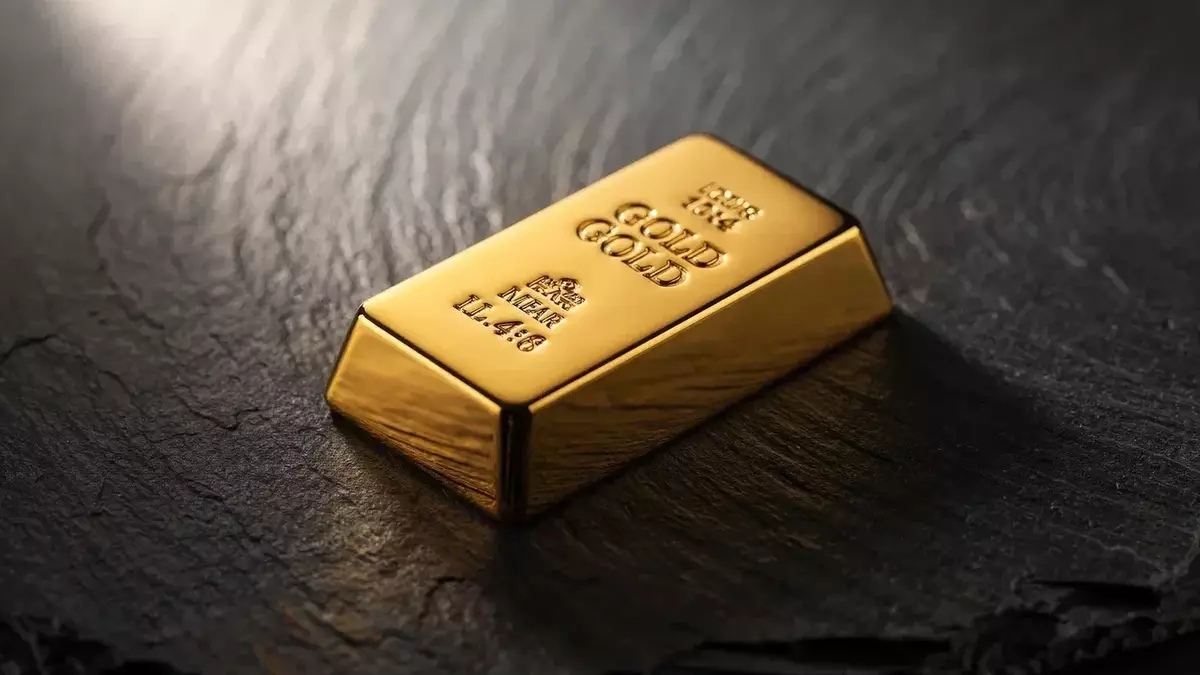
Bullion traders spent the opening days of August watching two very different forces pull the market in the same direction. The result: gold's strongest weekly performance in months, with the metal closing the first week of August at $4,399.80 per troy ounce — a 7.35% gain over five sessions.
The rally peaked on Friday at $4,401.40, marking a 2.37% single-day jump and the highest price since mid-June. What's remarkable is the unusual confluence behind the move — a soft US jobs report that rewired rate expectations, alongside quiet but meaningful progress in negotiations over the Strait of Hormuz.
The Jobs Report That Changed the Calculus
The catalyst arrived Friday morning when the US Labor Department released July employment figures. Nonfarm payrolls contracted by 23,000 positions — a stark reversal from the 80,000 job additions economists had penciled in. Retail and municipal education led the declines, while wages and the participation rate also softened.
For a market that had been bracing for a Federal Reserve still leaning toward tightening, the data landed like a thunderbolt. The probability of a September rate hike faded quickly, and analysts scrambled to reprice the outlook — with many now anticipating cuts rather than increases.
Should investors sell immediately? Or is it worth buying Gold?
That shift cuts to the heart of gold's investment thesis. The metal yields nothing, so its opportunity cost rises and falls with interest rate expectations. Lower anticipated rates make holding bullion more attractive, and the dollar's subsequent weakness added another tailwind. The reaction was immediate and forceful.
A Curious Counterweight
What makes this rally particularly interesting is what didn't happen. Normally, easing geopolitical tensions would undermine gold's safe-haven appeal. Progress toward partially reopening the Strait of Hormuz — which would restore oil and gas flows through the critical waterway and lower energy costs — should have dampened inflation concerns and weighed on the metal.
Instead, gold climbed anyway. The explanation lies in the incomplete nature of that diplomatic breakthrough. With no durable peace agreement in the Middle East, energy prices remain elevated and the Fed's inflation worries persist. The market appears to be pricing both scenarios simultaneously: weaker employment data supporting rate relief, while unresolved geopolitical risk keeps the inflation hedge bid alive.
Structural Demand Beneath the Surface
Beyond the macro headlines, a quieter transformation is underway in who buys gold. Physical investment in bars and coins is gaining ground, with this buyer segment potentially overtaking the jewelry industry as the world's largest source of demand for the first time.
Central banks continue to reinforce that trend. The People's Bank of China added to its reserves for a 21st consecutive month, purchasing at elevated price levels without hesitation. These institutional buyers act as a stabilizing floor, absorbing speculative selling pressure and providing structural support that wasn't present in previous cycles.
Chinese institutional investors are also building long positions in gold-backed products, according to clearinghouse data, using the metal as a hedge against volatility in technology equities.
The Technical Road Ahead
The price action has already cleared two significant resistance levels, and chartists now have their sights set on $4,535 per ounce — a zone that coincides with the 200-day moving average. A breakout above that level would confirm an end to the months-long consolidation phase and carry meaningful technical weight. Downside support sits around $3,960.
Gold at a turning point? This analysis reveals what investors need to know now.
The numbers tell the story of how far this move has traveled: gold has gained 7.68% over the past 30 days and 29.44% over the past year. Still, the metal remains roughly 21% below its 52-week high of $5,586.20 set in late January.
What Comes Next
Fed speakers take the spotlight in the coming days. Should more policymakers question the restrictive stance, the rally could gain additional momentum. A more hawkish tone, however, might trigger consolidation below the $4,535 threshold.
The September Federal Reserve meeting looms as the next pivotal event — the moment when markets will discover which of the two forces currently driving gold — the softening labor market or the geopolitical premium — ultimately holds sway. For now, both are pointing in the same direction.
Ad
Gold Stock: New Analysis - 8 August
Fresh Gold information released. What's the impact for investors? Our latest independent report examines recent figures and market trends.