Gold's Two-Month High Masks a Market Bracing for Wednesday's Inflation Verdict
Published on 08/11/2026 at 14:21 | Redaktion boerse-global.de
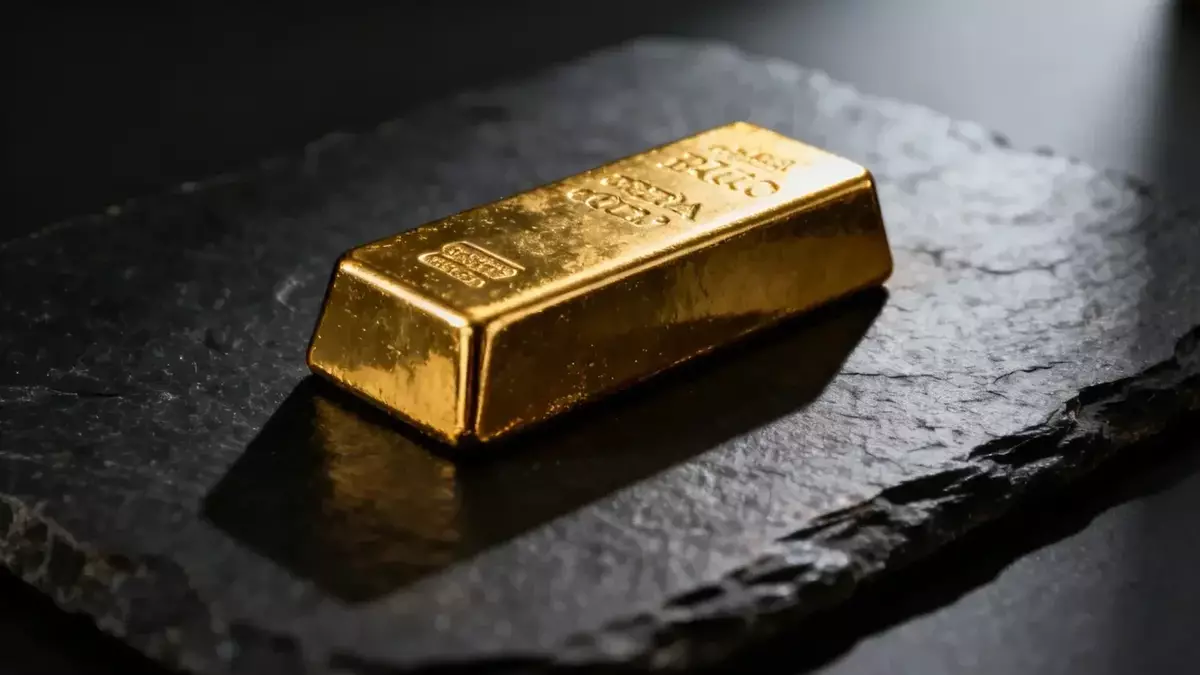
Gold spent Tuesday treading water at $4,449.20 an ounce, a daily move of precisely -0.01% that belied the turbulence simmering beneath the surface. The metal had earlier touched its loftiest level since early June, extending a three-session winning streak before sliding back below the psychologically significant $4,400 mark as the session wore on.
That intraday reversal captures the tension now gripping the market. The precious metal enters Wednesday's US consumer price report riding its strongest weekly performance since January — a 7.62% surge over seven trading days that stretches to an 11% gain across 30 days — yet traders remain acutely aware that a hot inflation print could swiftly unravel those gains.
The Labor Market Catalyst That Started It All
The rally's foundation was laid by a surprisingly weak US jobs report. July saw payrolls contract by 23,000 positions, a stark miss against the 80,000 new jobs economists had penciled in, with the unemployment rate holding at 4.1%. That softness fueled speculation about easier monetary policy and drove investors toward the safe-haven asset.
But the calculus shifts when inflation data enters the equation. The Federal Reserve left its benchmark rate unchanged in July, though three Federal Open Market Committee members voted for an increase. Cleveland Fed President Hammack has been vocal in advocating for multiple, gradual rate hikes — a stance that keeps the market cautious, since higher rates typically diminish the appeal of an asset that pays no yield.
According to a Bloomberg survey, economists expect the core rate to rise 0.2% month-over-month and 2.5% year-over-year. The headline annual figure is projected to ease from 3.5% to 3.4%, with producer prices following on Thursday. Should inflation come in cooler than anticipated, expectations for imminent rate cuts would harden — historically a fertile environment for gold. A hotter-than-expected number, by contrast, could bring the rally to an abrupt halt.
Should investors sell immediately? Or is it worth buying Gold?
Analysts See Headroom, Though Targets Have Been Trimmed
Institutional optimism remains intact despite the recent volatility. JPMorgan sees further upside ahead, setting a 2026 target of $5,243 per ounce, while UBS goes further, suggesting a climb to $5,000 by 2027 is achievable. Commerzbank, Morgan Stanley, and ANZ have penciled in targets ranging from $4,800 to $5,600 over the next one to two years.
That said, several major banks have walked back their projections in recent months. Following the sharp appreciation of the past year, the upside is now being calculated more conservatively — though the underlying bullish thesis remains unchallenged. Gold still trades 34.41% above its yearly low of $3,310.10, set last August, and remains well beneath the record peak reached at the start of the year before a multi-month consolidation set in.
Central Banks and ETFs Keep the Structural Bid Firm
The demand picture beneath the price action remains robust. China added nearly 20 tonnes to its gold reserves in July — the strongest monthly increase since October 2023 and the fifth consecutive rise — bringing its total holdings to roughly 2,346 tonnes, valued at $3,280 billion. Globally, central banks purchased a net 288.9 tonnes in the second quarter, a record for that period.
Institutional money is returning as well. Global gold ETFs recorded net inflows of $30 billion in July, pushing holdings to 4,068 tonnes — a marked comeback after outflows in the prior quarter. First-half worldwide demand reached 2,522 tonnes, up 2% year-over-year.
The consumer picture, however, is more uneven. In China, physical demand is shifting from jewelry toward investment-grade gold, while bar sales to retail investors in Beijing have reportedly fallen around 60% following the sharp price appreciation.
Chartists Flag Overbought Conditions and a Potential Bull Trap
Technical analysts are urging caution. The 14-day relative strength index sits at 68.6, signaling overbought conditions that make near-term pullbacks more likely. Gold is also pressing against a significant resistance zone where previous advances have stalled — raising the specter of a bull trap, where early optimists get squeezed out if the breakout fails to hold.
Geopolitics adds another layer of uncertainty. Tensions persist over the Strait of Hormuz, with President Trump declaring the waterway fully cleared of mines and under American control, while Tehran pushes for concessions and has floated the idea of transit fees. Hopes for a swift resolution have dimmed, and oil prices have climbed to a one-month high, underscoring the edgy risk sentiment.
For now, the decisive question is straightforward: does Wednesday's inflation print confirm the disinflationary path that weak payroll data has hinted at, or does it reignite the debate over tighter Fed policy? The answer will likely determine whether gold's latest breakout has legs or proves to be another false dawn.
Ad
Gold Stock: New Analysis - 11 August
Fresh Gold information released. What's the impact for investors? Our latest independent report examines recent figures and market trends.