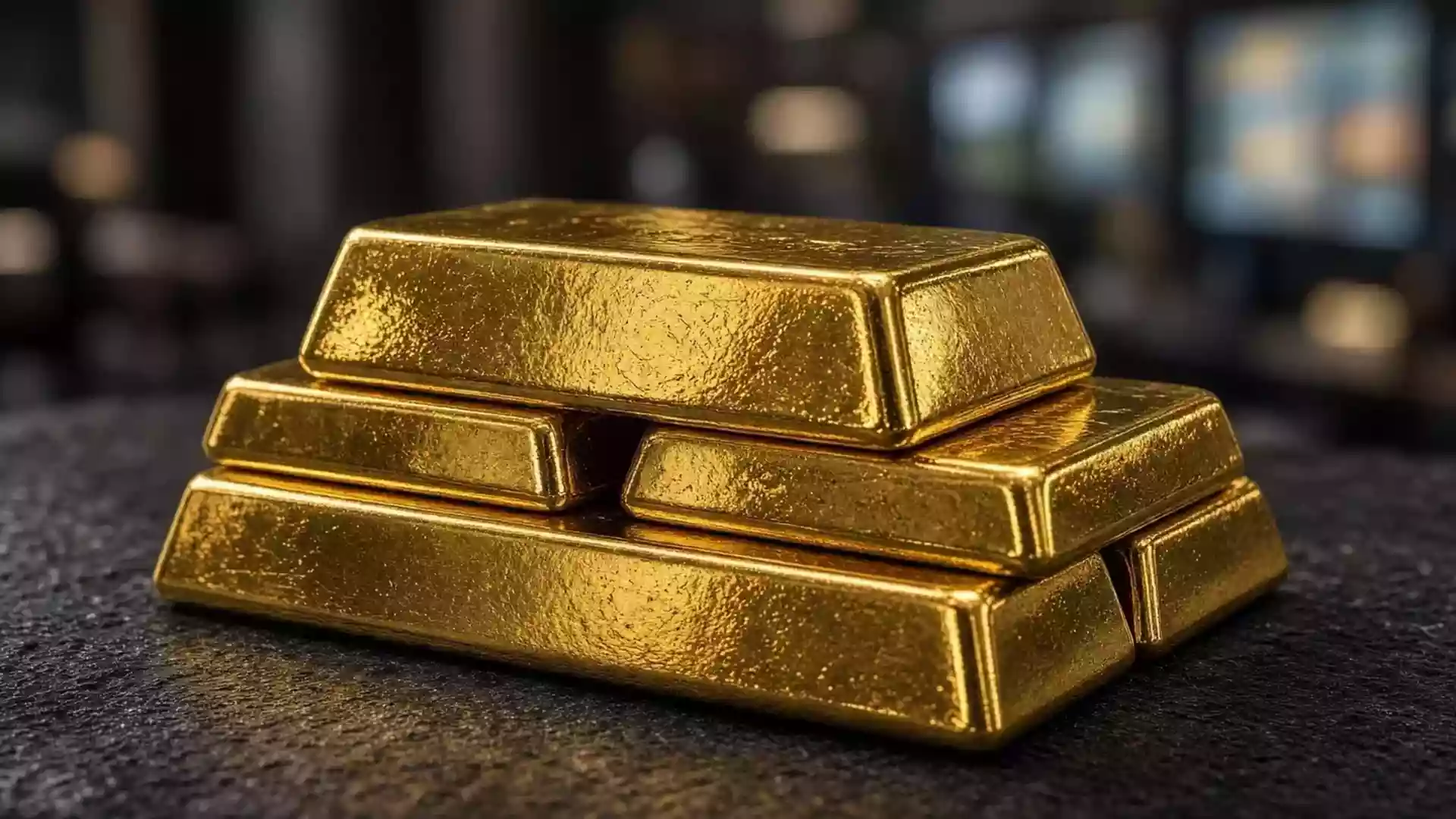
Gold's Two-Speed Market: Indian Festive Demand Meets an Oil-Driven Rate Squeeze
Published on 10/24/2026 at 22:01 | Editorial boerse-global.de
Gold finished Friday at USD 3,997.48 an ounce, and the forces tugging at that number come from opposite directions. On one side sits a revival in Indian seasonal buying and continued central bank accumulation; on the other, a crude oil rally that has revived inflation worries and hardened expectations that US borrowing costs will stay high for longer.
The energy story dominated the week's narrative. According to Reuters, Huthi attacks on Saudi Arabia stoked fears of fresh disruptions to supply, pushing Brent to a multi-month high. Oil itself climbed roughly 4% on Thursday to a five-month peak. An earlier strike on the Saudi Shaybah oil field had already raised the specter of production losses, dpa-AFX reported, and the resulting rate-hike anxieties weighed on bullion.
The transmission channel runs through inflation. Costlier energy feeds expectations of persistent price pressure, which in turn dims the prospect of monetary easing. Stronger-than-expected US consumer and producer price data the previous week had already reinforced those fears, Reuters noted. Geopolitical risk, in other words, worked against gold rather than for it: the search for a safe haven took a back seat to the prospect of higher-for-longer US rates.
A Second Source of Selling Pressure
Energy prices alone do not explain the softness. Bloomberg reported that investors also raised liquidity during a stock market selloff, while money rotated into US Treasuries. That combination suggests the metal's recent weakness reflects portfolio mechanics as much as the oil shock.
Should investors sell immediately? Or is it worth buying Gold?
Offsetting that drag is steady official-sector buying. The World Gold Council reported on October 15 that China added more than 23 tonnes in September — its largest monthly increase since October 2023. That demand stands as a counterweight to the rate-driven pressure in financial markets, though it does not mean every corner of China's gold market is equally robust. The council noted seasonally higher gold withdrawals from the Shanghai Gold Exchange in September, even as it described jewellery demand in the third quarter as weak. The holidays at the end of September and in early October did visibly lift demand for jewellery, bars and coins.
India's Festive Pickup
India tells a similar story of regional strength against a soft international backdrop. Seasonal demand there has gathered pace ahead of the festival and wedding season, a positive demand signal — though not one that offsets every headwind. A smaller discount accompanied the pickup, a reminder that demand does not move in lockstep with the international price. It is not grounds for calling a global turnaround.
Trade flows underline how uneven the picture is. Swiss gold exports rose 6% in September from August to 165.2 tonnes, of which 126.2 tonnes went to the UK. Shipments to China fell to 12.7 tonnes, and those to India dropped to 3.1 tonnes. The export figures, published Tuesday, cover an earlier period than the latest Indian demand reports, so weaker deliveries and a later seasonal revival need not contradict each other — the timing simply separates the two observations.
Gold at a turning point? This analysis reveals what investors need to know now.
What to Watch Next
For investors, the opposing forces now sit side by side: central bank purchases and seasonal demand support the metal, while energy prices and inflation worries weigh on it. Recent trading shows the macroeconomic drag can override that support. The next markers are the Federal Reserve's policy meeting on October 27–28 and the release of personal income and spending data, including the PCE price index, on October 29. Market participants largely expect rates to stay unchanged, Reuters reported. For gold, the decision matters less than whether the inflation data confirm the anxiety about sustained price pressure.
Ad
Gold Stock: New Analysis - 24 October
Fresh Gold information released. What's the impact for investors? Our latest independent report examines recent figures and market trends.