
Heidelberg Materials Rewires Its Portfolio: Peru Entry, Ranville Exit, Buybacks in Between
Published on 09/21/2026 at 17:10 | Editorial boerse-global.de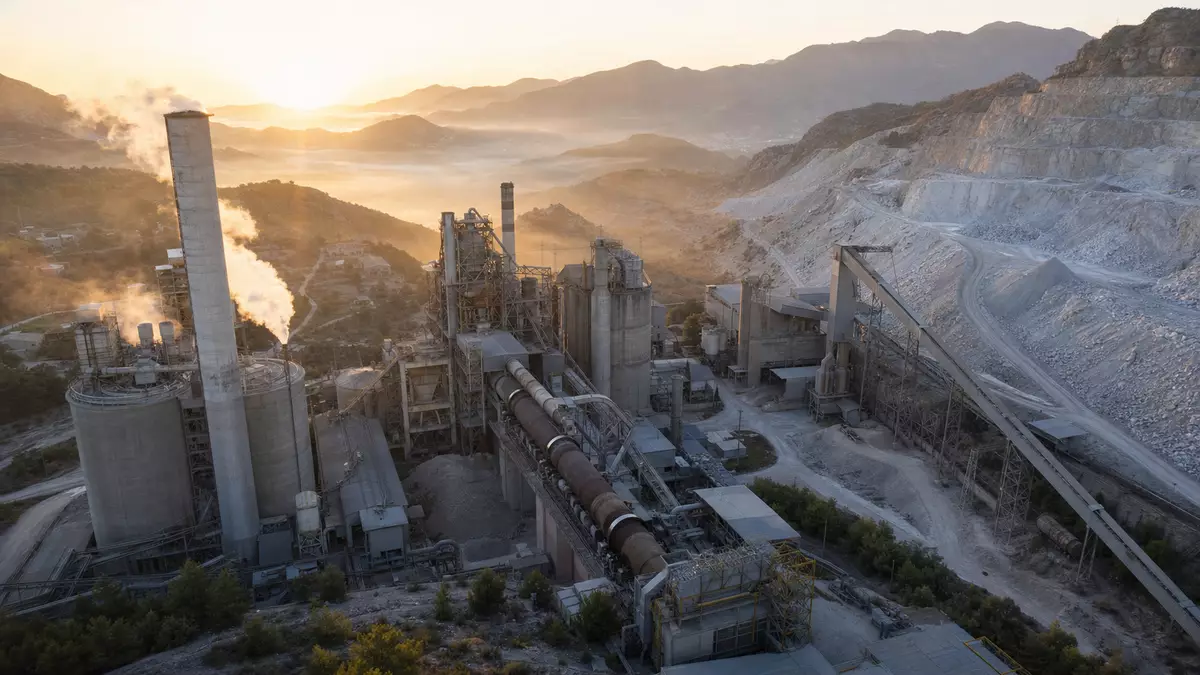
Heidelberg Materials is doing two things at once — shrinking where margins are thin and buying where demand is growing. On Monday, the stock traded at EUR 143.80, down 0.5% and far below its 52-week high of EUR 241.70, extending a slump that pushed the shares to a fresh four-week low in the prior week. Year-to-date, the equity has shed 36%.
The decline reflects broad investor caution toward cyclical names. Europe's construction sector is straining under elevated financing costs and sluggish demand across both residential and infrastructure work, prompting institutions to trim risk even in companies with solid balance sheets. Adding to the pressure, German producer prices rose 4.6% in August — the sharpest increase in some time — while Brent crude climbed above USD 100 a barrel. For an energy-intensive cement and building materials producer, those input costs eat directly into margins and weigh on earnings expectations.
A French Plant on the Chopping Block
Management's answer is a leaner production network. Late last week, the group disclosed plans to shut down its cement plant in Ranville, France, part of a broader push to concentrate on profitable sites and permanently lower its cost base. Analysts view the cleanup of unprofitable capacity as a necessary step toward safeguarding long-term profitability.
Peru Stake Adds a Growth Leg
On the other side of the ledger, Heidelberg Materials is expanding abroad. The company agreed to acquire a 70% majority stake in Peruvian cement producer Cementos Inka, a deal structured on an asset-light model that brings 1.3 million tonnes of annual production capacity. The purchase price equals 6x the target's EBITDA, with closing targeted for October 2026.
Should investors sell immediately? Or is it worth buying Heidelberg Materials?
Buybacks Keep Tightening the Share Count
Meanwhile, the group is putting its liquidity to work in the market. During the week of September 7–11, 2026, it repurchased 334,909 of its own shares under its ongoing buyback program. In the prior week, it acquired 329,452 treasury shares via the Xetra trading system, for an aggregate volume of EUR 49,031,008.77. Such purchases signal to the market that management considers its own stock undervalued.
Sell-side analysts share that view. JPMorgan confirmed its "Overweight" rating on September 15 with a price target of EUR 225, citing robust global sales volumes and expected price increases that should let management offset persistent energy cost inflation by passing higher production costs on to customers. Berenberg also kept its "Buy" rating. Despite the cyclical headwinds, Heidelberg Materials is seen as holding a solid market position and strong pricing power.
What the Calendar Holds
Attention now turns to the company's upcoming mandatory disclosures, with the third-quarter interim report due on November 4, 2026. Those figures should show how pricing and cement demand have flowed through to the books. The stock closed Friday at EUR 144.15.
Heidelberg Materials at a turning point? This analysis reveals what investors need to know now.
Whether the downward pressure breaks depends heavily on where raw material and energy prices head next. Should commodity markets calm and demand steady, the gap between the fundamental valuation and the banks' price targets could move back into investors' sights.
Ad
Heidelberg Materials Stock: New Analysis - 21 September
Fresh Heidelberg Materials information released. What's the impact for investors? Our latest independent report examines recent figures and market trends.


