HSE Names Stone Firms in Silica Dust Crackdown
Published on 08/03/2026 at 19:27 | Redaktion boerse-global.de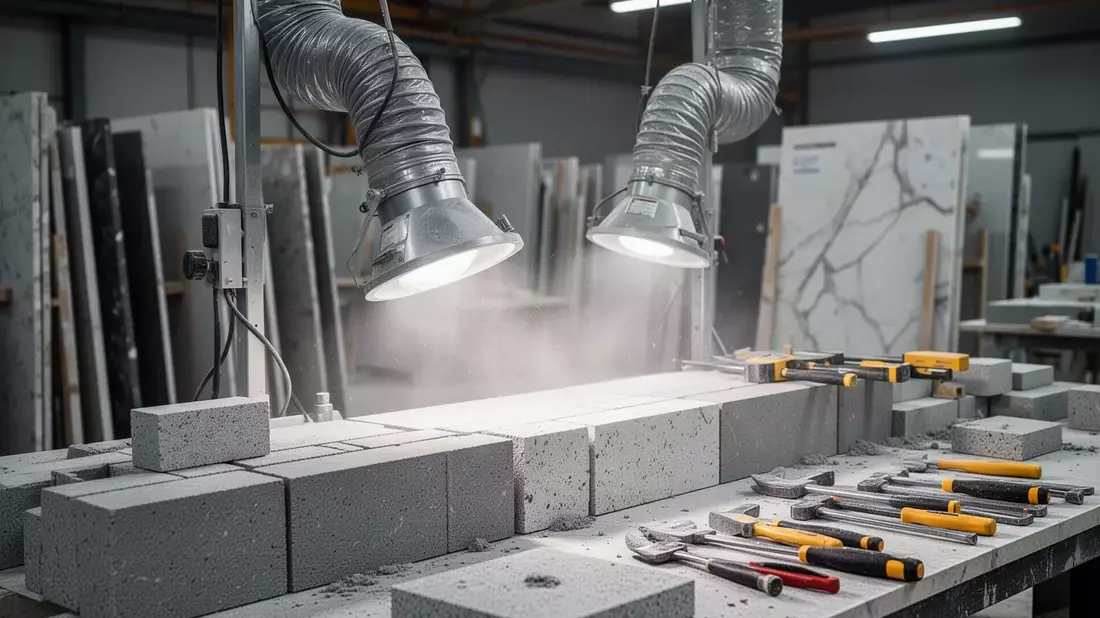
The Health and Safety Executive (HSE) has publicly named four companies issued prohibition notices for failing to protect workers from respirable crystalline silica (RCS) dust — a substance linked to the irreversible lung disease silicosis. The enforcement action signals a major regulatory shift for UK employers in the kitchen worktop and stone masonry sector, where the risk of exposure remains dangerously high.
Creative Quartz Ltd in Worcester, Mr Granite Ltd in Coventry, Surfacestone (UK) Ltd in Oldbury, and Italia Stone Ltd in Bedford were all served with notices in May 2026. The action forms part of a wider HSE campaign targeting the industry, with more than 1,000 inspections planned throughout 2026.
National Inspection Campaign
The regulator has committed to checking that businesses working with engineered stone are following strict safety protocols. Beyond the four primary firms, other companies — including Stone Affairs Ltd, Pyramid Granite Ltd, and Marble & Granite Designs Ltd — have also received notices.
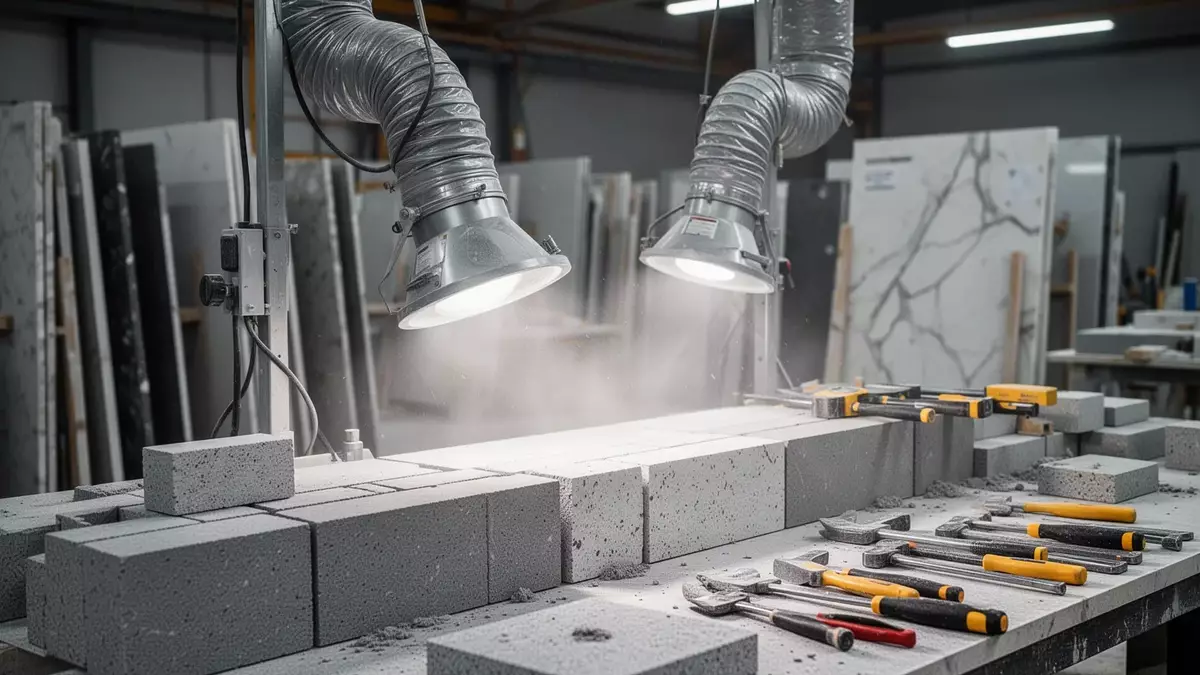
The HSE found these businesses failed to implement necessary controls to prevent workers inhaling hazardous dust created during the cutting and finishing of stone products. Wet cutting and local exhaust ventilation are mandatory control measures, not optional extras, the regulator has stressed.
When the HSE comes knocking, the first thing they ask for is your risk assessments. A free toolkit with 41 ready-to-use templates and checklists helps you document every hazard — from fire safety to manual handling — so you're never caught unprepared. Download the free Risk Assessment Toolkit
The campaign marks a notable shift in enforcement priorities. While prohibition notices in the wider construction sector have generally halved over the last four years, this targeted action against silica dust shows where the HSE is now focusing its attention.
A Growing Health Crisis
The enforcement comes amid mounting evidence of a health emergency among UK stonemasons. Current estimates suggest more than 1,000 workers may have already developed silicosis from kitchen worktop dust.
Health experts have highlighted the deaths of four young workers from the disease, prompting calls for a national screening programme that could cover approximately 7,000 tradespeople. The risk is particularly acute in the informal sector, where an estimated 4,000 workers may be operating without sufficient safety equipment or oversight.
Silicosis is a progressive and incurable condition. For employers, the message is clear: without proper dust control, workers' lives are at stake.
Global Precedent and Product Innovation
The UK's intensified focus follows international action. Australia implemented a total ban on engineered stone effective July 1, 2024, due to the high silica content in traditional materials.
In response to regulatory pressure, some manufacturers have begun reformulating products. New versions of Silestone benchtops, for example, have been developed with less than 1% crystalline silica to comply with international bans. These newer ranges often utilise recycled materials and are marketed as UV-stable and non-porous while significantly reducing health risks for fabricators.
Wider Enforcement Across Sectors
The HSE's focus on stone masonry is part of a broader push for workplace compliance. Other firms have recently faced heavy penalties for unrelated safety breaches:
- Samson Containers Ltd: Fined £30,000 for exposing employees to carcinogenic welding fumes and failing to monitor noise levels, after ignoring previous enforcement notices in 2024 and 2025.
- Jim Yates & Sons: Fined £20,000 plus costs following an incident in October 2022 where a dumper truck overturned in an unprotected excavation. The investigation revealed the company had instructed workers not to wear seatbelts.
- Story Contracting: Served with prohibition notices regarding falls from height and excavation safety at an industrial estate in Carlisle.
Hazardous substances like silica dust fall squarely under COSHH regulations — and getting the paperwork wrong can be costly. A free COSHH toolkit with 43 customisable templates, checklists and toolbox talks helps you meet your legal duty to assess dangerous substances before inspectors do. Get the free COSHH Toolkit
The HSE reported 25 construction-related deaths in the 2025/26 period, with 11 of those resulting from falls from height — further justifying the current high volume of inspections.
Disclaimer regarding our articles: No investment advice, no buy or sell recommendation. Information on prices, companies, and markets is provided without guarantee; changes are possible at any time. Stock market transactions can lead to substantial losses. Our articles are created and reviewed in whole or in part automatically with the support of AI.