Industrial Firefighters Face Cancer Risks Without the Legal Protections of Public Colleagues
Published on 07/31/2026 at 20:08 | Redaktion boerse-global.de
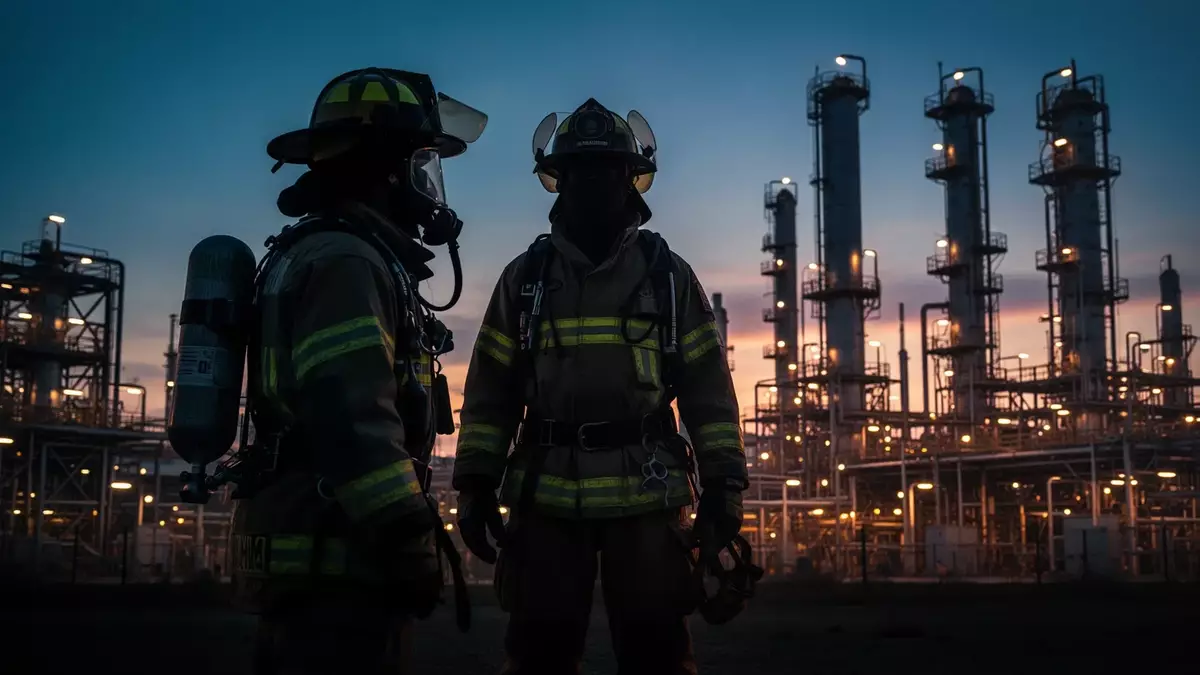
Industrial and contract firefighters are exposed to the same cancer-causing substances as their municipal counterparts, yet they often lack the legal protections and benefits that public-sector crews receive. The International Agency for Research on Cancer (IARC) classified firefighting as a Group 1 carcinogen in 2023, but many industrial personnel still operate without presumptive cancer coverage or access to workers' compensation available to government employees. For UK employers with industrial firefighting operations, this growing disparity raises questions about duty of care obligations and insurance liabilities.
A Two-Tier System of Cancer Protection
Recent reports highlight a significant gap in occupational health coverage for private-sector industrial firefighters. Unlike municipal crews, many industrial personnel are excluded from state-level presumptive cancer laws, which assume certain illnesses are job-related. In Washington state, for instance, protections are restricted to departments with at least 50 members, leaving smaller industrial units vulnerable.
Privately employed firefighters are also generally ineligible for federal Public Safety Officers' Benefits (PSOB). This exclusion persists even though these professionals face the same hazardous substances—including arsenic, asbestos, benzene, and formaldehyde—that the National Fire Protection Association (NFPA) links to a 9% higher cancer risk and a 14% higher cancer mortality rate among fire service members.
Documenting workplace hazards is a legal duty that applies to every employer, not just public-sector operations. Yet many UK businesses struggle to keep risk assessments current and compliant. A free toolkit with 41 ready-to-use templates and checklists helps you systematically identify and record the carcinogenic and other risks your workforce faces. Download the free Risk Assessment Toolkit
Regional Expansion Brings Mixed Progress
While industrial protections lag, some regions are expanding coverage for public and wildland crews. In British Columbia, a significant expansion of presumptive cancer coverage took effect on March 3, 2026. The province added eight specific cancers—including skin, mesothelioma, and various respiratory tract malignancies—bringing the total number of covered conditions to 26. This expansion covers over 15,000 personnel, from professional and volunteer firefighters to investigators and First Nations crews.
However, even where presumptive laws exist, obtaining coverage can be difficult. In California, a retired firefighter with stage 4 lung cancer recently faced treatment denials from a private insurer, despite state laws presuming the disease is work-related for the profession. City officials and fire department leadership have intervened to resolve the coverage dispute.
Prevention Programmes Show Results
Fire departments are increasingly adopting specialised protocols to mitigate long-term health risks. In Round Rock, Texas, the fire department recently implemented a cancer prevention protocol using specialised gear-cleaning machines. The process involves on-scene gross decontamination and the bagging of gear to minimise the spread of carcinogens.
In Ontario, Sault Ste. Marie Fire Services reported a 75% reduction in their high-risk cancer group through a wellness programme. By monitoring body composition, shift patterns, recovery, and nutrition, the department aims to reduce the frequency of presumptive cancer claims, which can cost approximately $5 million for 18 to 25 claims.
Proactive prevention is the most effective way to protect your workforce from long-term health risks. A comprehensive health and safety toolkit gives you the checklists, risk assessments, and toolbox talks needed to meet UK regulations like COSHH and PUWER—helping you reduce exposure to hazardous substances before they cause harm. Get the free Health & Safety Toolkit
Infrastructure Strains Add to the Challenge
The broader support system for firefighter health is also under strain. South Korea's only national firefighter hospital, located in Eumseong County, opened on June 8, 2026, following an investment of 204.9 billion won ($142 million). Despite its 302-bed capacity, the facility is grappling with a physician shortage. As of mid-July 2026, only 30 of the 48 required physician positions were filled, leaving several critical departments, including nephrology and endocrinology, understaffed.
Physical working conditions remain a concern as well. Crews in several U.S. cities, including Cleveland and Baltimore, have reported malfunctioning air conditioning units in stations and vehicles. Experts note that extreme heat in firehouses increases cardiovascular strain on firefighters, yet there are currently no uniform national standards for temperature requirements in these facilities.
Disclaimer regarding our articles: No investment advice, no buy or sell recommendation. Information on prices, companies, and markets is provided without guarantee; changes are possible at any time. Stock market transactions can lead to substantial losses. Our articles are created and reviewed in whole or in part automatically with the support of AI.