Industry Urges Shift to Silica-Free Worktops as HSE Ramps Up Enforcement
Published on 08/12/2026 at 19:07 | Redaktion boerse-global.de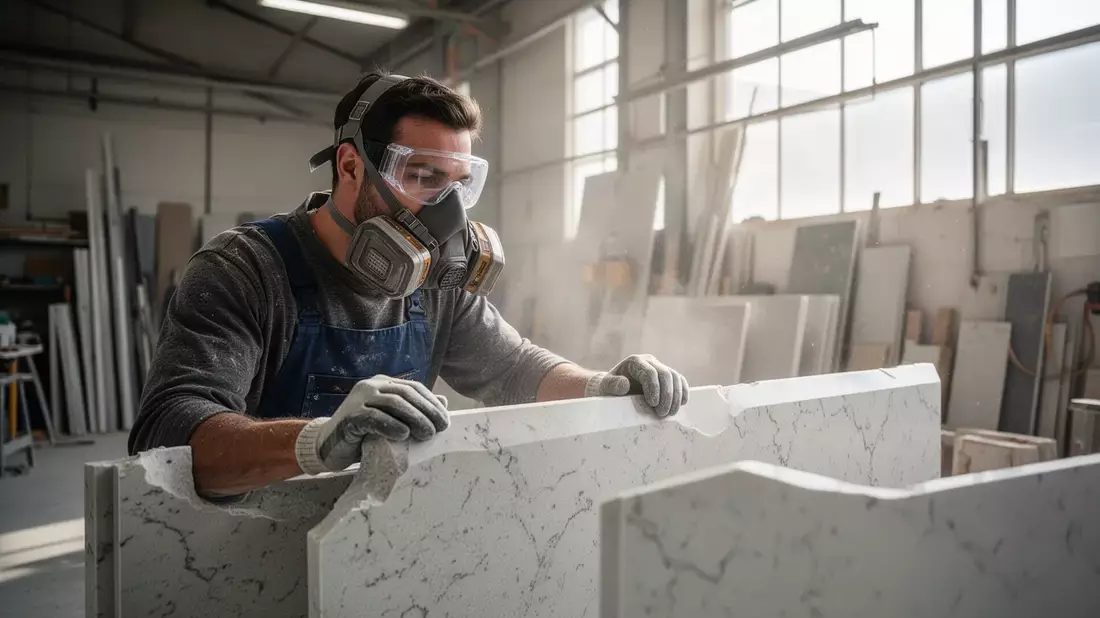
Industry specialists are calling for wider adoption of kitchen worktops containing zero crystalline silica to protect workers in the stone fabrication sector. The push follows updated Health and Safety Executive (HSE) guidance and mounting evidence of severe respiratory risks from silica dust exposure.
The Case for Silica-Free Materials
Watford-based specialist Mo's Stonex has highlighted the need for the industry to move toward silica-free materials, such as ELORÄ products, to safeguard workers from life-threatening conditions. The recommendation comes as regulators intensify their focus on engineered stone fabrication, commonly known as quartz.
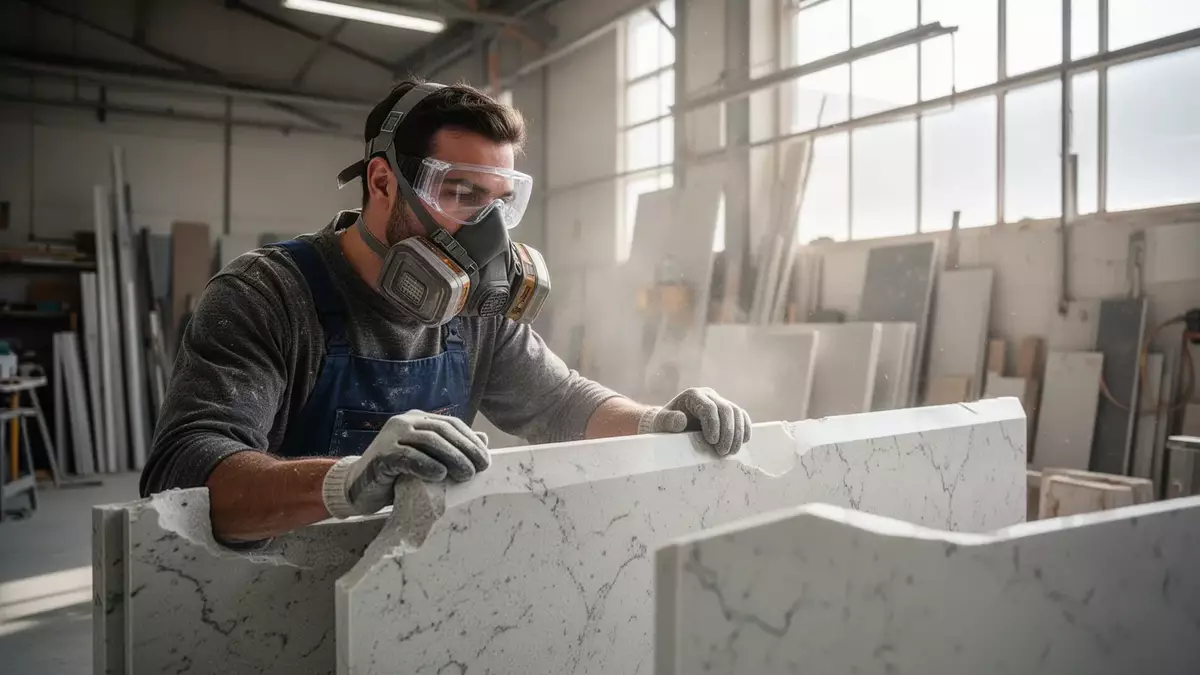
The HSE's updated guidance now makes dry cutting of silica-containing materials impermissible. Fabrication businesses must implement rigorous dust controls, primarily through water-based tools and specialised ventilation systems. Research cited by industry experts indicates that dry manufacturing processes can result in silica exposure levels five to ten times higher than wet-cutting methods.
While water-suppression tools remain the current standard, some industry participants argue that the high cost of maintaining these systems — and the risk of overexposure even with controls in place — makes zero-silica alternatives a more sustainable long-term solution.
With regulators tightening the rules on hazardous substances, reviewing your workplace risk assessments has never been more urgent. A free toolkit with 43 ready-to-use templates helps you document every dangerous material on site and stay compliant with current UK requirements. Download the free COSHH Toolkit
Tougher Enforcement Ahead
The HSE has launched an extensive enforcement programme for the 2026/27 period, during which it expects to conduct more than 1,000 site inspections. Regulatory pressure is already resulting in operational shutdowns; in June 2026, four firms were ordered to stop work after failing to meet safety requirements.
Rising Health Concerns and Legal Risks
The dangers of silica exposure have been underscored by recent public health data and significant legal rulings. In California, health authorities reported 592 cases of silicosis among engineered stone workers between 2019 and 2026. These cases led to 65 lung transplants and 31 deaths. The median age of those diagnosed was 46, while the average age of death was 52.
The financial and legal consequences for the industry were further highlighted this week by a jury in Los Angeles. On August 11, 2026, a court awarded more than $47 million in damages to the family of a 41-year-old worker who died from silicosis. The award included approximately $2 million for economic losses and $45 million in non-economic damages.
The legal fallout from workplace exposure cases shows just how costly inadequate safety documentation can be. A free Health & Safety Toolkit gives you instant access to risk assessments and checklists covering key regulations like COSHH and PUWER — everything you need to protect your workforce and your business. Get the free Health & Safety Toolkit
The jury assigned 70 percent of the liability to the worker's employer, but manufacturer Dal-Tile was also found partially responsible. This verdict is the third successful claim for plaintiffs in a series of four recent U.S. trials, signalling increasing legal risk for companies that fail to provide adequate warnings or safety measures related to silica-based products.