Maharashtra Cracks Down on Dangerous Buildings After Fatal Bhiwandi Collapse
Published on 08/01/2026 at 15:07 | Redaktion boerse-global.de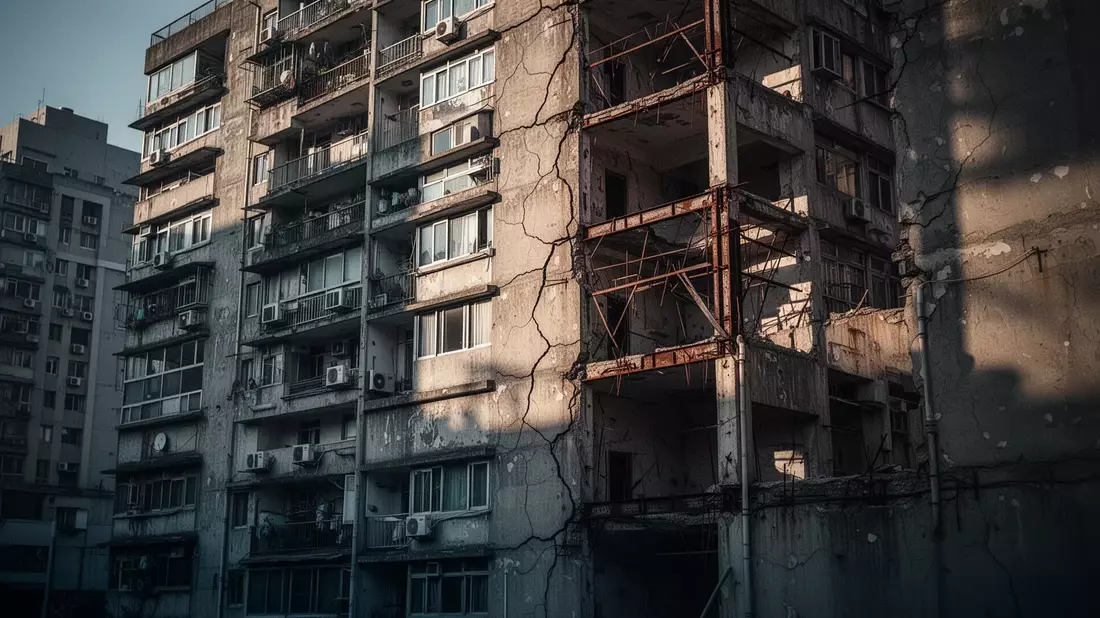
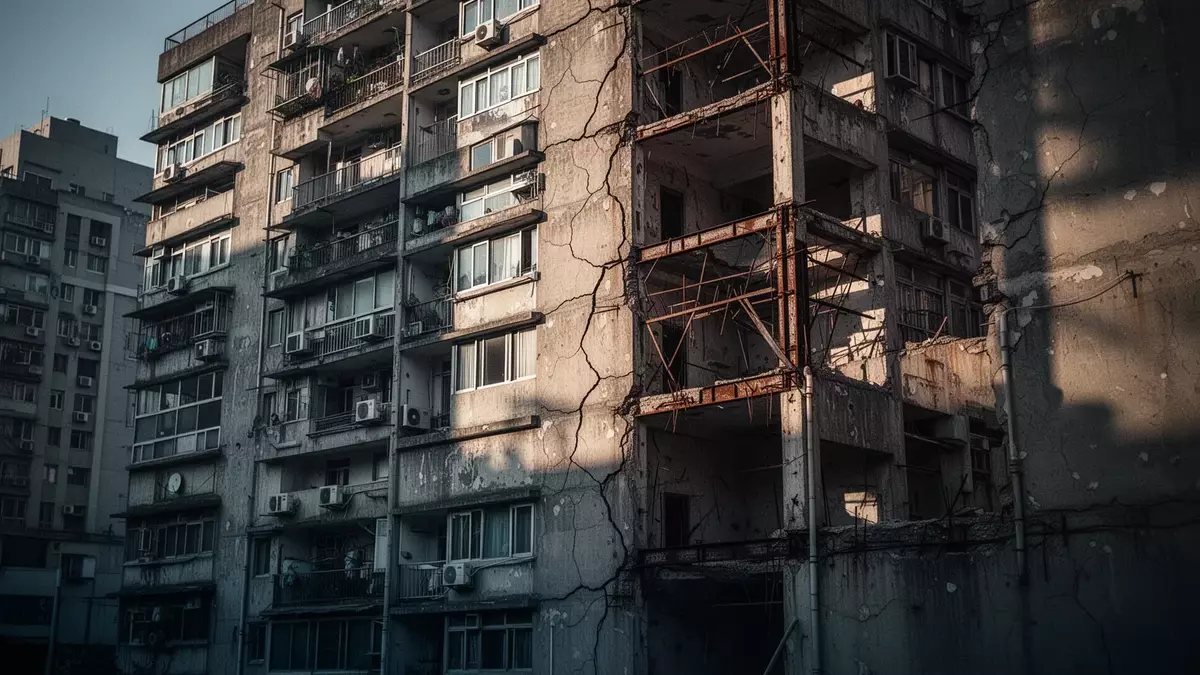
Authorities in Maharashtra have launched a sweeping enforcement drive against dilapidated buildings after a structural collapse in Bhiwandi killed 10 people and injured three others on July 30, 2026. The disaster has triggered immediate evacuation orders affecting thousands of residents, underscoring the deadly consequences of neglected maintenance and unauthorised construction work.
Fatal Collapse During Illegal Repairs
The four-storey Kohinoor Building in Balaji Nagar collapsed at approximately 11:20 PM on Thursday night. The structure, which housed 48 rooms, had been flagged as "very dangerous" by municipal authorities as far back as 2020. Despite multiple eviction notices — including a final order on June 5, 2026 — and the prior disconnection of utility services, residents and workers remained inside.
The collapse is believed to have been triggered by unauthorised repair work on the building's load-bearing columns. Residents had reported falling plaster and cracks in the pillars, prompting the contractor to begin work four days before the disaster. Witnesses alleged that three main columns were being repaired simultaneously, critically weakening the structure.
All 10 victims were men, including several labourers and a barber who had been helping a friend move out. Rescue teams from the National Disaster Response Force (NDRF) and the Thane Disaster Response Force (TDRF) carried out a 19-hour operation that concluded on the evening of July 31.
Mandatory Evacuations and Utility Disconnections
Maharashtra Chief Minister Devendra Fadnavis has ordered the forced evacuation of all buildings classified as highly unsafe. Under the new directives, officials are authorised to use legal force to remove occupants who refuse to leave dangerous structures.
Bhiwandi Mayor Narayan Ratan Chaudhary directed officials on August 1 to immediately cut water and electricity supplies to 238 buildings in the "C1" category — the most dangerous classification — and 836 buildings in the "C2A" category. The Mayor stressed that surprise inspections would be carried out to prevent further unauthorised repairs that could lead to similar tragedies.
The tragedy in Bhiwandi is a stark reminder that structural safety isn't just about concrete and steel — it's about having a documented, systematic approach to identifying hazards before they turn deadly. Many employers and property managers in the UK face similar risks every day, often without the right paperwork in place. A free toolkit with 41 ready-to-use templates can help you conduct thorough risk assessments and keep your buildings safe and compliant. Download the free Risk Assessment Toolkit
In nearby Thane, Municipal Commissioner Saurabh Rao issued parallel orders for the immediate evacuation and demolition of buildings classified under Section 264 of the Maharashtra Municipal Corporations Act. To safeguard residents' property rights, the administration is providing carpet area certificates and temporary housing at transit camps for those displaced.
Legal and Financial Accountability
Police have registered a First Information Report (FIR) against the building's owner, Bilal Ahmed Abubakar Khan, and the contractor, identified only as Ashok. Charges have been filed under the Bharatiya Nyaya Sanhita (BNS) and the Maharashtra Regional and Town Planning (MRTP) Act, including offences related to culpable homicide not amounting to murder and endangering life through negligence.
Compensation has been announced for the victims. The Prime Minister's office approved an ex gratia payment of Rs 2 lakh for the families of the deceased and Rs 50,000 for the injured, with the state government pledging an additional Rs 5 lakh to the kin of those who died.
Global Structural Safety Concerns
The Bhiwandi collapse follows recent reports highlighting broader risks associated with aging infrastructure and neglected maintenance worldwide. In the United States, a July 2026 report from the Florida Office of Program Policy Analysis and Government Accountability (OPPAGA) identified 2,535 condominiums and cooperatives with "substantial structural deterioration" based on inspections from 2024 and 2025.
Building safety failures also highlight the importance of fire protection planning — a critical area where many UK businesses fall short. Whether you manage an office, warehouse, or residential property, having a clear evacuation plan and documented fire risk assessments isn't just good practice; it's a legal duty. A free Fire Safety Toolkit provides everything you need, including risk assessment templates and evacuation planning documents, to help you protect your people and property. Get the free Fire Safety Toolkit
The Florida report found that while 54 buildings were deemed unsafe or uninhabitable, only five had been fully evacuated. Rising maintenance costs were also flagged, with the average value of repair permits increasing from $337,000 in 2024 to $496,000 in 2025.
In the United Kingdom, safety measures are being stepped up at the site of the former O2 ABC building on Glasgow's Sauchiehall Street. Following reports of unauthorised access to the dangerous structure — under demolition since 2024 — developers are expected to complete reinforced hoarding by Monday to secure the site ahead of a planned 9-storey redevelopment.
Disclaimer regarding our articles: No investment advice, no buy or sell recommendation. Information on prices, companies, and markets is provided without guarantee; changes are possible at any time. Stock market transactions can lead to substantial losses. Our articles are created and reviewed in whole or in part automatically with the support of AI.