Micron's Record-Breaking Quarter Collides With Labor Unrest in Taiwan
Published on 09/01/2026 at 20:02 | Editorial boerse-global.de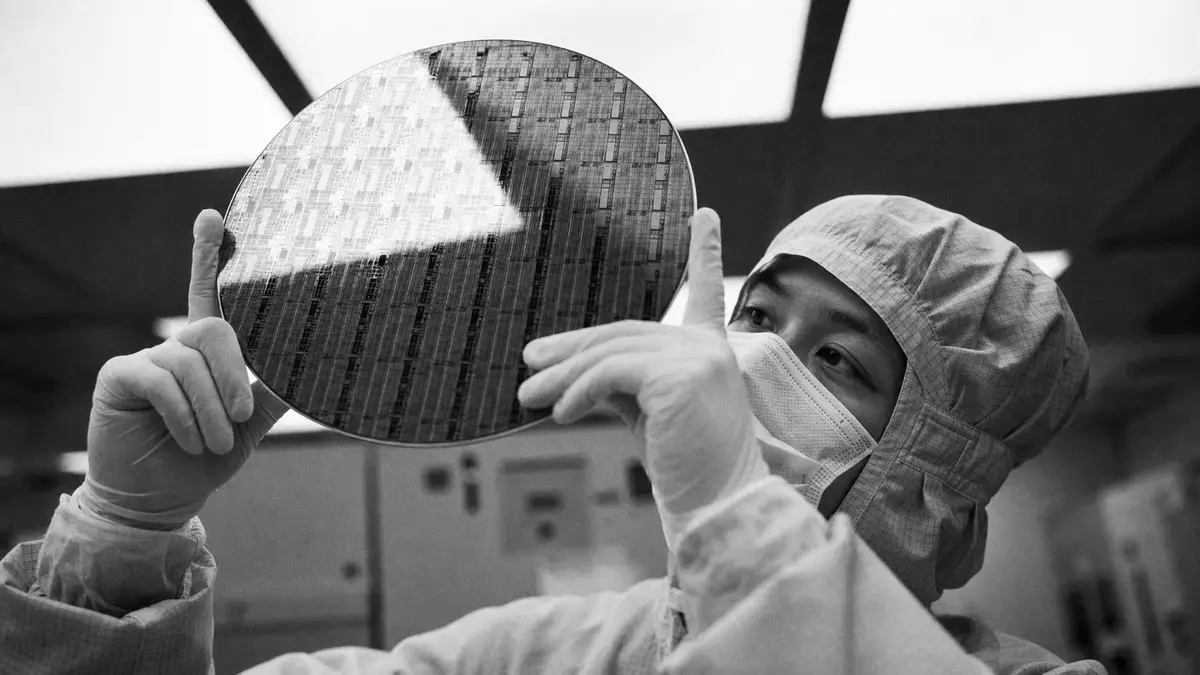
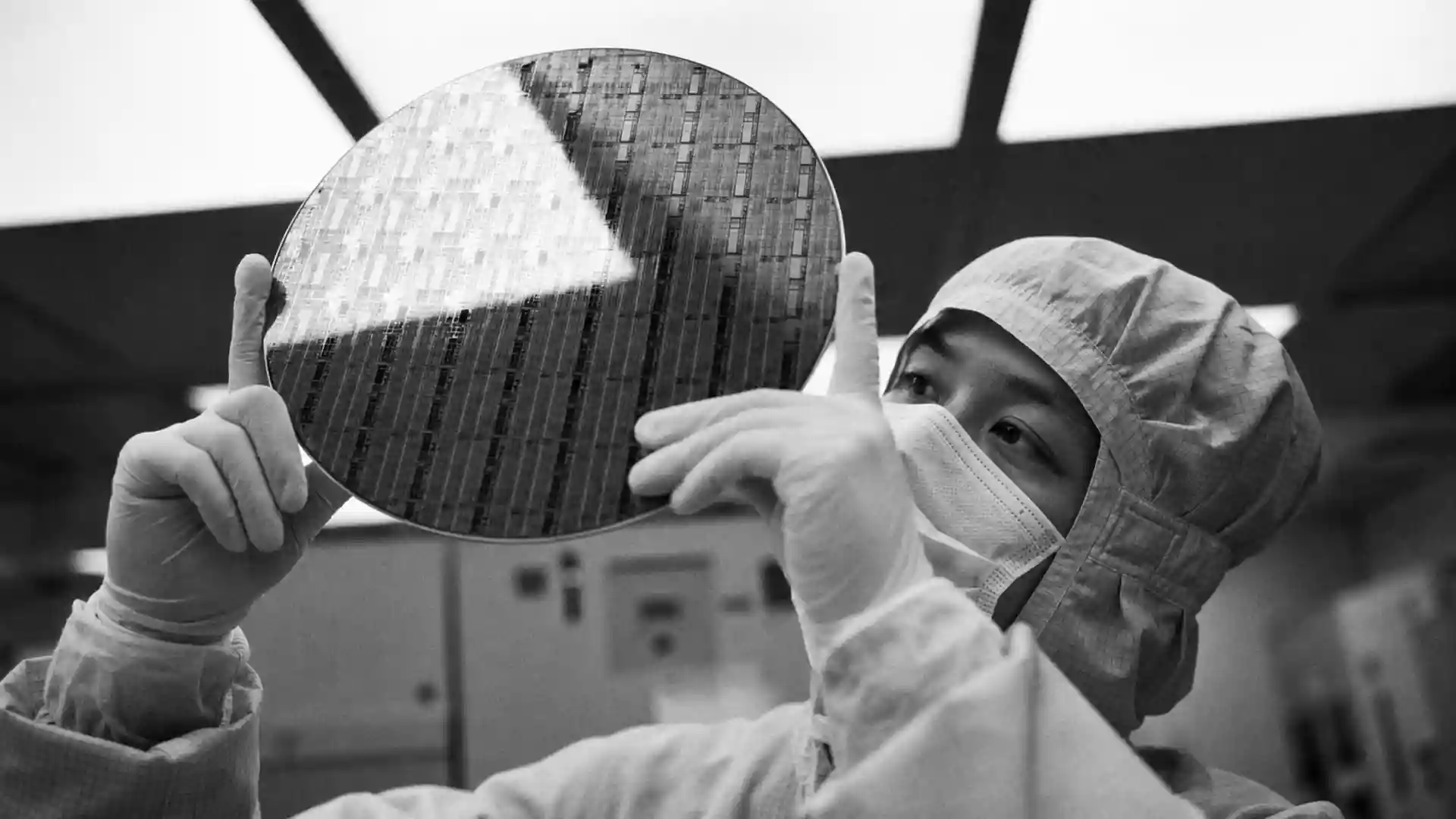
There's an uncomfortable symmetry in Micron's latest earnings report. The memory chip maker just posted the kind of numbers that would have seemed absurd two years ago, when the industry was mired in losses. Yet as management prepares to hand out the richest profit-sharing payout in company history, roughly 10,000 workers at its Taiwanese facilities are threatening to walk off the job.
The tension boils down to a simple question: who gets to share in the spoils of the AI-driven memory supercycle?
The Numbers Behind the Conflict
Micron's fiscal third quarter delivered revenue of $41.46 billion, a staggering 346 percent jump year over year. GAAP net income came in at $28.24 billion, with non-GAAP gross margin reaching 84.9 percent. Looking ahead, the company has guided to roughly $50 billion in revenue for the current quarter at a margin of about 86 percent.
Management says it has already locked in $100 billion in AI-related revenue through 2030 under contract, with HBM and DRAM capacity sold out through 2027. The company also announced on August 20 that it will pour $10 billion over a decade into its first wholly-owned US memory chip research center in Boise, Idaho — a sum that sits on top of the $250 billion in previously announced US manufacturing and R&D commitments.
CEO Sanjay Mehrotra framed the Boise investment in stark terms: without advances in memory technology, there is no AI progress.
Should investors sell immediately? Or is it worth buying Micron Technology?
The Labor Dispute That Won't Go Away
But while capital spending commands headlines, the workforce in Taiwan is still haggling over bonuses measured in months of salary. The two major unions at Micron's Taoyuan and Taichung sites — representing roughly two-thirds of the 15,000 employees there — are demanding profit-sharing terms comparable to what Samsung and SK Hynix offer their workers: 10.5 percent and 10 percent of operating profit, respectively.
Micron currently caps variable compensation at 200 percent of the target bonus, with actual payouts averaging just 2.6 months of salary. An internal survey found more than 80 percent of union members support a strike should mediation efforts, which began in late August and are scheduled to continue through mid-September, fail. A strike vote could follow as early as September.
The stakes are considerable. Taiwan accounts for roughly 60 percent of Micron's global production, according to the unions — a concentration that makes the island a critical node in the DRAM and HBM supply chains underpinning Nvidia's GPU systems. The company has invested approximately NT$1.4 trillion, or about $43.9 billion, in its Taiwanese operations, its largest manufacturing footprint worldwide.
In a bid to expand capacity, Micron recently brought a former AUO facility in Tainan online after just six and a half months of construction — though that addition does little to address the immediate labor standoff.
Market Reaction Muted, For Now
Investors have so far taken the strike threat in stride. The stock slipped 1.4 percent in recent trading to €812.90, following a close of €824.30 the prior day. The secondary report noted a pre-market decline of more than two percent on Tuesday, though the shares have since stabilized. Over the past 30 days, the stock has still gained 14 percent, and it remains up 222 percent year to date — one source cites 226 percent from the start of the year.
The stock sits roughly 26 percent below its 52-week high of €1,103.80, reached in June, a gap that reflects both profit-taking and the emerging labor overhang. US investor Jim Cramer has maintained a positive stance on Micron despite the uncertainty.
Micron Technology at a turning point? This analysis reveals what investors need to know now.
A Broader Industry Inflection Point
The dispute arrives as Micron's competitors escalate their own ambitions. Samsung is pursuing its new "CUBE" strategy while SK Hynix commits billions to additional DRAM and NAND capacity. Industry-wide semiconductor revenue climbed to $403.3 billion in the second quarter, up 35.1 percent quarter over quarter, according to the Semiconductor Industry Association. Enterprise SSD sales doubled within a single quarter to nearly $37.6 billion, with Micron's share growing 126.3 percent.
The pie is expanding rapidly. The question is whether the workers who help bake it will get a larger slice. Taiwan's labor ministry is now monitoring the situation alongside local authorities, a sign that the dispute has moved beyond the factory floor.
Should the strike materialize, it would test whether the AI boom strengthens labor's bargaining power — or whether, as has often been the case in the chip industry, the gains flow primarily to capital. For now, investors are treating the conflict as a manageable risk on the periphery of an otherwise stellar balance sheet. But the fragility of even the strongest supply chains has a way of revealing itself at the worst possible moment.
Ad
Micron Technology Stock: New Analysis - 1 September
Fresh Micron Technology information released. What's the impact for investors? Our latest independent report examines recent figures and market trends.