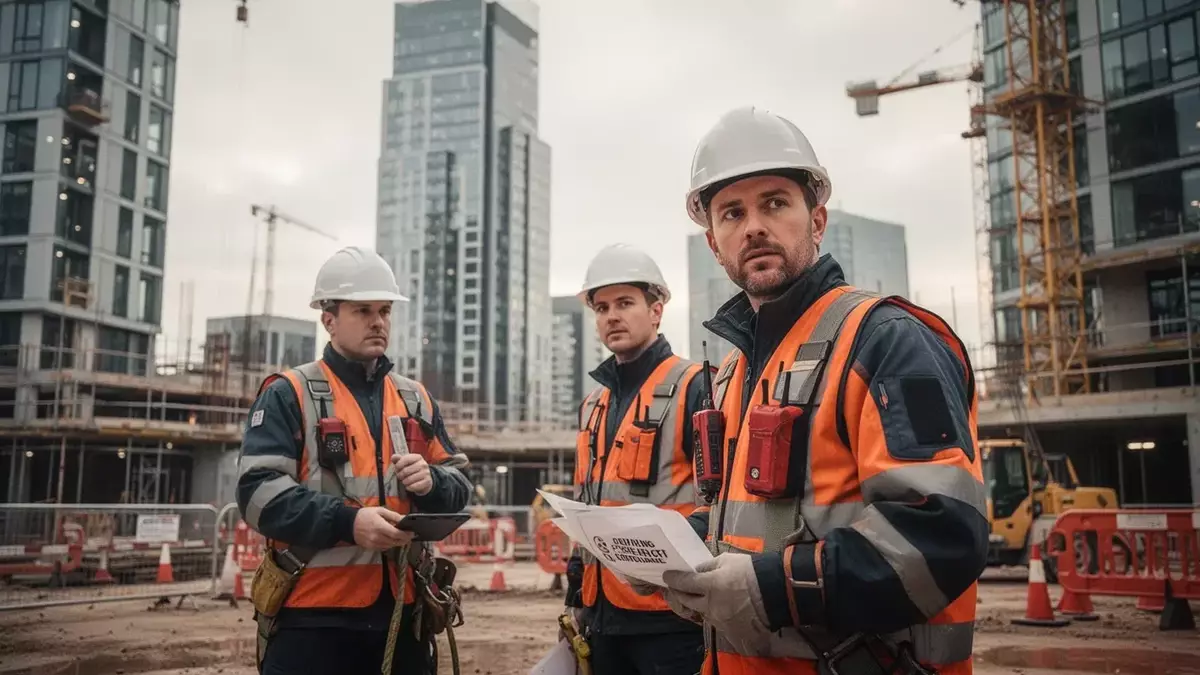
Nissan's AI Eye on the Assembly Line Cuts Injury Costs by $34 Million
Published on 08/10/2026 at 15:05 | Redaktion boerse-global.de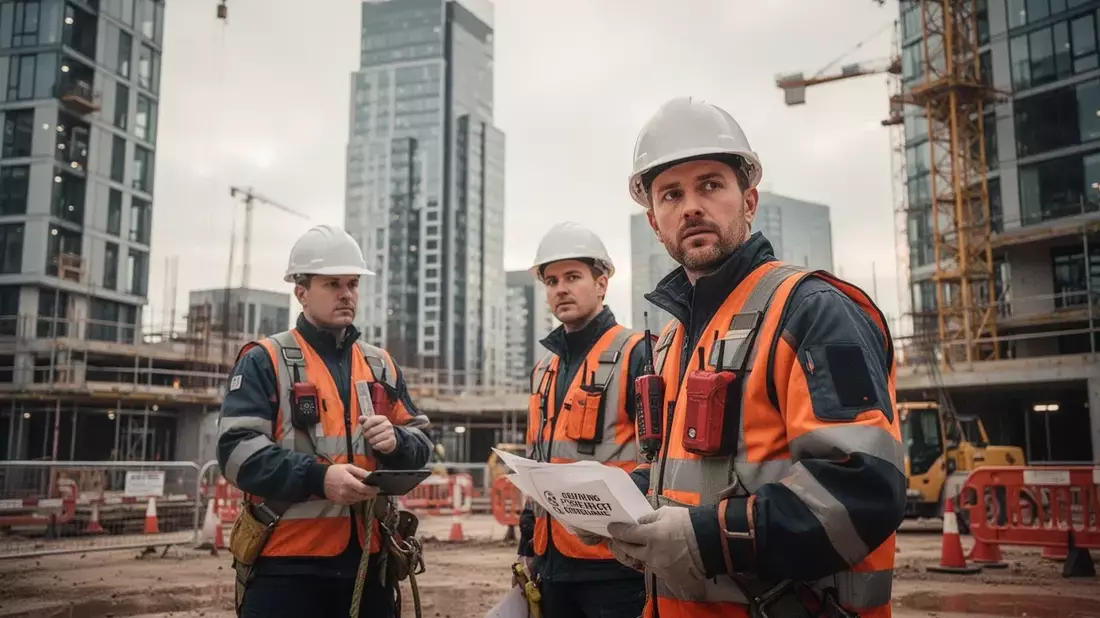
The challenge of spotting a bad back before it becomes a chronic problem is getting a technological assist at Nissan's sprawling Canton, Mississippi facility. There, cameras and software now track how workers bend, reach, and move along the assembly line, flagging postures that could lead to long-term musculoskeletal damage.
The payoff has been substantial. Company figures put the savings in health and safety-related expenses at roughly $34 million since the system's deployment.
Keeping workers safe from musculoskeletal strain isn't just a factory-floor concern — it's a legal duty for every employer. A free Health & Safety Toolkit provides ready-to-use risk assessments and checklists that help UK businesses meet their obligations under the Health & Safety at Work Act 1974. Download the free Health & Safety Toolkit
The technology zeroes in on the physical demands of vehicle assembly — the repetitive hand motions, the long walks across the factory floor, the constant stooping. By identifying ergonomic trouble spots in real time, engineers can redesign workstations before bad habits become injuries. The goal is straightforward: reduce physical strain, cut down on sick leave, and keep production lines running without the disruption of worker absences.
Process engineer Chi Amaechi explained that the software continuously monitors the angles of employees' limbs and the positioning of their joints. In the fast-moving rhythm of mass production, these subtle deviations from ideal ergonomic lines are often invisible to the naked eye. The computer, however, catches them instantly, delivering objective data on physical load as it happens.
That information feeds directly into process improvements. Instead of relying on subjective reports or periodic assessments, plant managers get a constant stream of biometric feedback that tells them precisely where a workstation design is forcing unnatural movement.
Nissan's leadership is careful to frame the initiative as worker protection, not workforce reduction. Victor Taylor, vice president of manufacturing for the Americas, stressed that the AI rollout comes with no job cuts attached. Eliminating positions is not part of the efficiency plan, he said. The intent, rather, is to support the existing staff through safer conditions and to sustain productivity by keeping employees healthier.
Proactive safety monitoring like Nissan's is impressive — but most workplaces need a simpler first step. A free Risk Assessment Toolkit with 41 templates and checklists helps you document hazards, from manual handling to fire safety, before they become costly incidents. Get the free Risk Assessment Toolkit
The Mississippi experiment is already being treated as a template. Nissan has announced plans to extend the AI-driven motion analysis to its plant in Smyrna, Tennessee, where the same ergonomic scrutiny will be applied to production processes. The company's broader strategy appears set: use machine vision to make factories safer, one joint angle at a time.