Nvidia's Berlin Push Meets a Chinese Supply Puzzle
Published on 10/20/2026 at 21:11 | Editorial boerse-global.de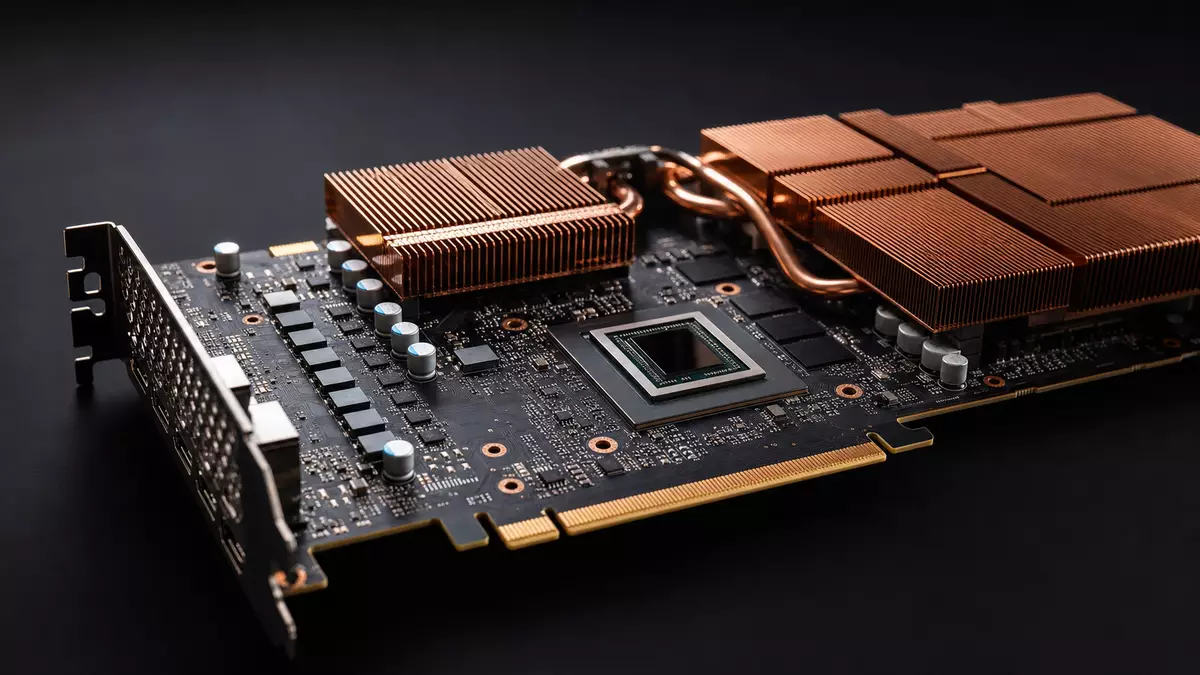
Nvidia opened its GTC program in Berlin this week with training workshops, but the questions investors are asking stretch well beyond the German capital. Two distinct storylines are converging on the stock: a strategic bet on industrial AI in Europe, and a massive Chinese order book that Nvidia cannot fully promise to fill.
A Memorandum, Not a Revenue Line
Chief executive Jensen Huang spent yesterday making the case to Chancellor Friedrich Merz for deploying AI across manufacturing, automobiles and robotics — a pitch that shifts the emphasis toward practical use of the technology rather than raw computing capacity alone. Nvidia and the German government signed a joint letter of intent for an initiative on AI models for physical AI, an approach that ties model development to real-world applications.
For shareholders, the distinction between strategic cooperation and commercial execution matters. A letter of intent sets a framework; whether it translates into concrete deployments — and corresponding demand for Nvidia hardware — is the yardstick that counts.
Several corporate announcements offer early reference points. Volvo Cars expanded its partnership with Nvidia on Thursday to advance the safety of automated driving functions in future vehicles. Adobe also announced deeper collaboration the same day, aimed at optimizing creative and productivity applications and speeding up workflows with autonomous AI systems. Both deals illustrate different applications of the same strategic thrust: AI should change actual workflows, not just make models more capable. They lend substance to the Berlin industrial push, though neither substitutes for proof of commercial success.
From Software Libraries to Laptops
The company's product cadence reinforces the theme. On October 14, Nvidia announced the introduction of its CUDA-X libraries, including cuPotential for chip design and manufacturing. Early tests in selected workflows showed a two- to three-fold acceleration, according to the company — a caveat worth heeding, since the results apply to those specific applications and cannot be extrapolated to all development and production processes.
Should investors sell immediately? Or is it worth buying Nvidia?
On the hardware side, Nvidia announced Friday the availability of RTX Spark laptops from multiple manufacturers, which the company describes as combining Blackwell RTX graphics, CUDA and AI technologies. The offering now spans software tools for industrial processes and the devices that run them.
Three Million Chips, With an Asterisk
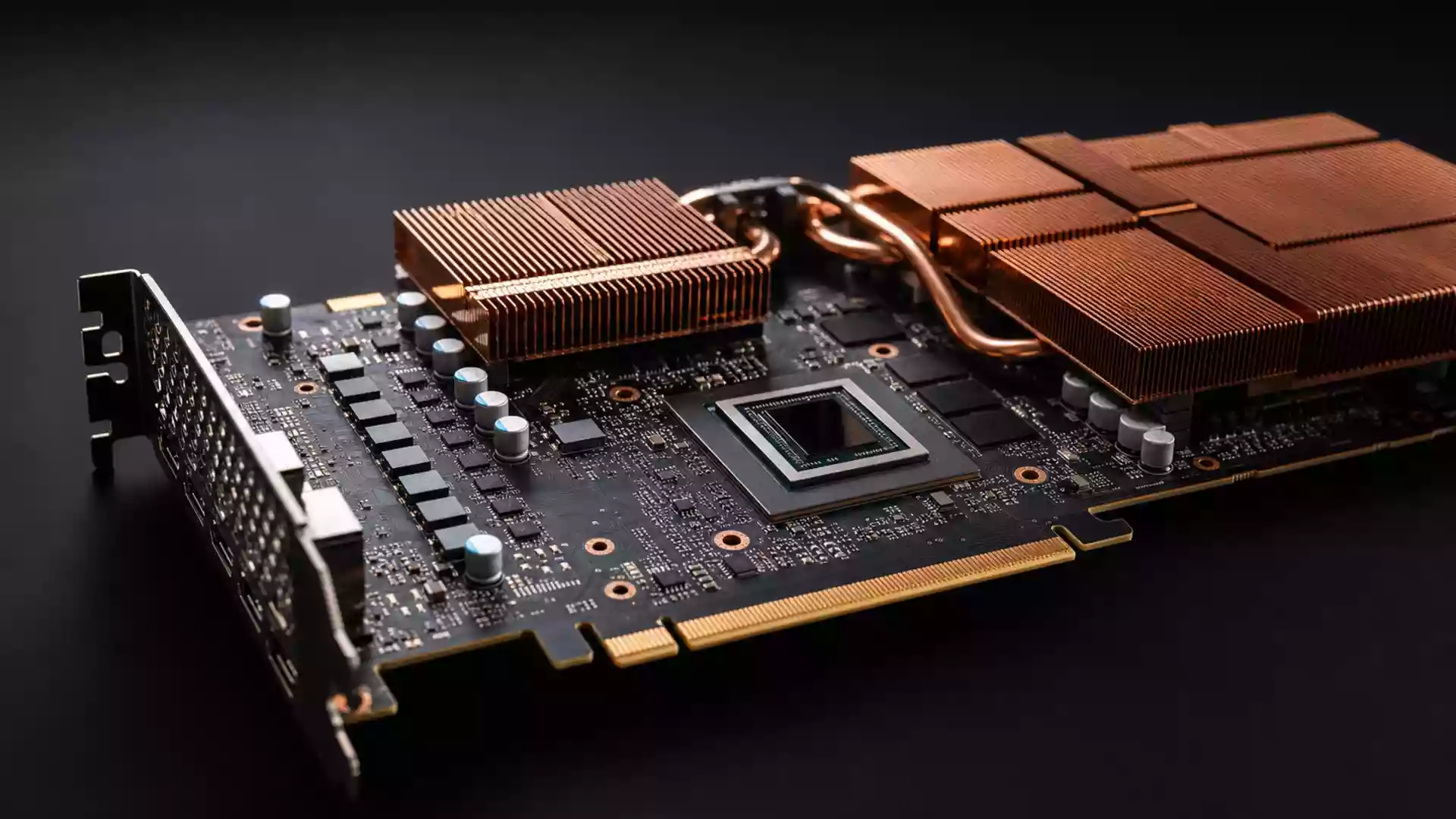
The demand picture from China is far larger — and far less certain. ByteDance, Alibaba and Tencent have ordered more than three million Nvidia graphics cards, according to a Reuters report published today, with a combined list value above $35 billion. The orders cover the RTX PRO 5500 model, and demand reportedly exceeds planned production.
That list value describes the scale of hardware ordered, not revenue already booked, and Nvidia has warned Reuters it cannot guarantee it will be able to fulfill the orders. The distinction is central: strong demand is not the same as secured delivery, and the high order figure should be read with that limit in mind.
Export Rules Add a Separate Layer of Risk
Regulation is shifting alongside the production question. Bloomberg reported Friday that Taiwan plans to add AI servers and advanced semiconductors to its list of controlled export goods. Once the measures take effect, shipping restricted hardware to China would become a criminal offense, potentially affecting routes through which Nvidia hardware is redirected.
No direct impact on the Reuters-reported orders can be derived from this. Production constraints and export restrictions are separate risks — Nvidia attributes its delivery caveat to demand running ahead of planned manufacturing.
A Sector Under Financing Scrutiny
The news lands in a tense environment for AI stocks. The Associated Press reported today on falling US futures and renewed pressure on the sector, with investors worried about debt-financed AI expansion and higher financing costs. Strong order signals at Nvidia are thus meeting a more critical appraisal of AI infrastructure spending. Today's report answers the demand question in the affirmative; it resolves neither the supply uncertainty nor sector-wide concerns about funding the buildout.
The next confirmed date is Huang's keynote, scheduled for October 21, with the conference and exhibition running October 21–22. For the stock, Berlin offers a strategic test — how convincingly Nvidia connects its technology to usable applications — while the Chinese order book keeps the central dividing line intact: reported demand is not yet assured delivery.
Ad
Nvidia Stock: New Analysis - 20 October
Fresh Nvidia information released. What's the impact for investors? Our latest independent report examines recent figures and market trends.