Nvidia's Order Book Is Not the Same as Its Revenue Line
Published on 10/27/2026 at 04:50 | Editorial boerse-global.de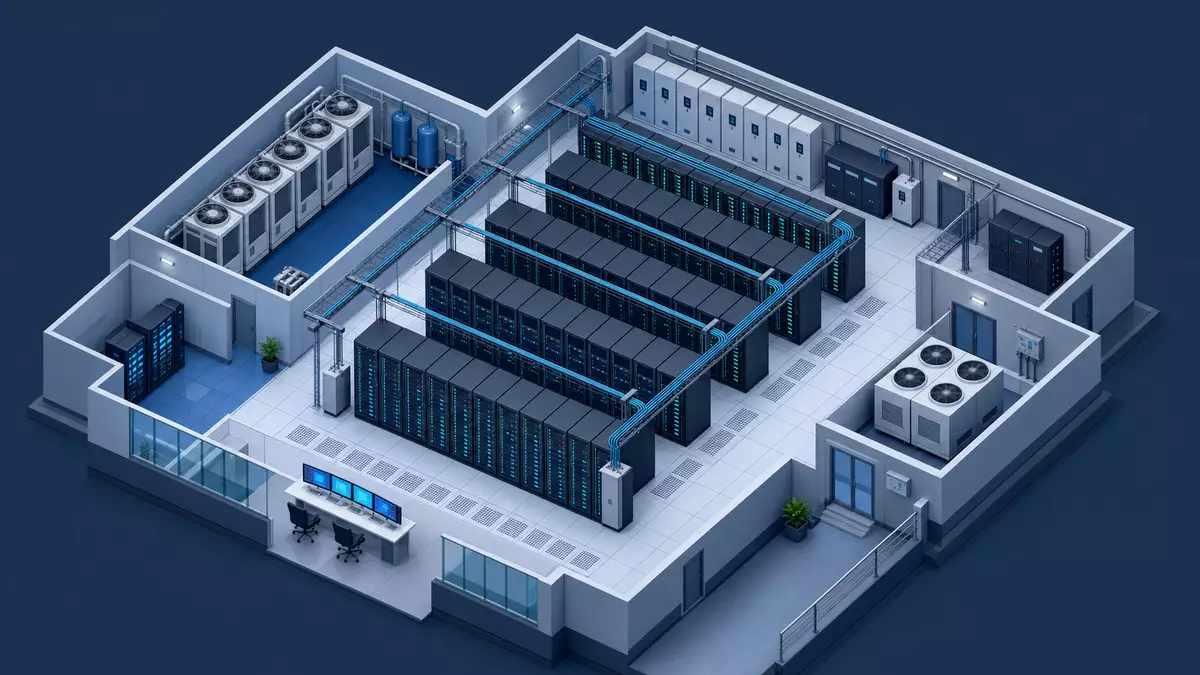
Nvidia shares climbed 2.6% yesterday, but the gain had little to do with anything the chipmaker itself announced. The trigger, according to Reuters, was Anthropic's publicly filed stock market registration, which revived appetite for AI infrastructure across the sector. For Nvidia, that tailwind landed alongside fresh analyst backing — and against a backdrop of power and production constraints that could cap how fast the business actually grows.
Morgan Stanley's Pick Comes With a Power Caveat
Morgan Stanley named Nvidia its preferred semiconductor stock yesterday, media reports said. In the same breath, the bank raised its estimate for the US data center net power supply gap in 2026–28 to 38 GW from 33 GW previously.
That pairing carries its own logic: confidence in Nvidia, paired with a warning about the infrastructure build-out. Strong demand for computing power does not by itself clear bottlenecks in electricity supply, so a favored position within the sector does not mean the sector can grow without obstacles.
Barclays struck a similar note. Analyst Thomas O'Malley kept his buy rating on Nvidia and a price target of $275, according to media reports. The two houses offer support for the stock from different angles — Morgan Stanley ties its pick to data center power needs, while Barclays simply reaffirms its positive view of the shares.
Should investors sell immediately? Or is it worth buying Nvidia?
A $35 Billion Order Book With No Delivery Guarantee
How far demand can outrun supply was laid out by Reuters on October 20. ByteDance, Alibaba and Tencent together ordered more than 3 million Nvidia RTX PRO 5500 graphics cards, with a combined list price above $35 billion.
Nvidia could not guarantee it would fill those orders in full, Reuters reported. Demand exceeded planned production, and the list value should not be mistaken for secured revenue. Chinese customers' orders totaled more than 6 million cards, according to Reuters — a figure that frames the scale of the demand signal while underlining the delivery caveat attached to it.
Capacity Plans Are Announced, Not Yet Available
The supply-side response fits that tension. Roughly a week ago, Nvidia disclosed agreements with Amkor, IBIDEN, King Yuan Electronics, Samsung Electro-Mechanics, SPIL and Unimicron — a set of deals spanning different parts of the supply chain rather than a single extra manufacturing commitment.
The terms include a $1.1 billion capacity reservation prepayment to KYEC, plus a plan to lift substrate capacity 2.5-fold over three years. Amkor, for its part, intends to expand advanced chip packaging capacity by more than 300% by the end of 2028. Both are expansion plans, not capacity that is available today, and nothing in the announcements implies the Chinese orders can be filled immediately. Demand and planned capacity remain two different things on two different timelines.
Nvidia at a turning point? This analysis reveals what investors need to know now.
A 14-Day Build Promise Alongside the Chip Crunch
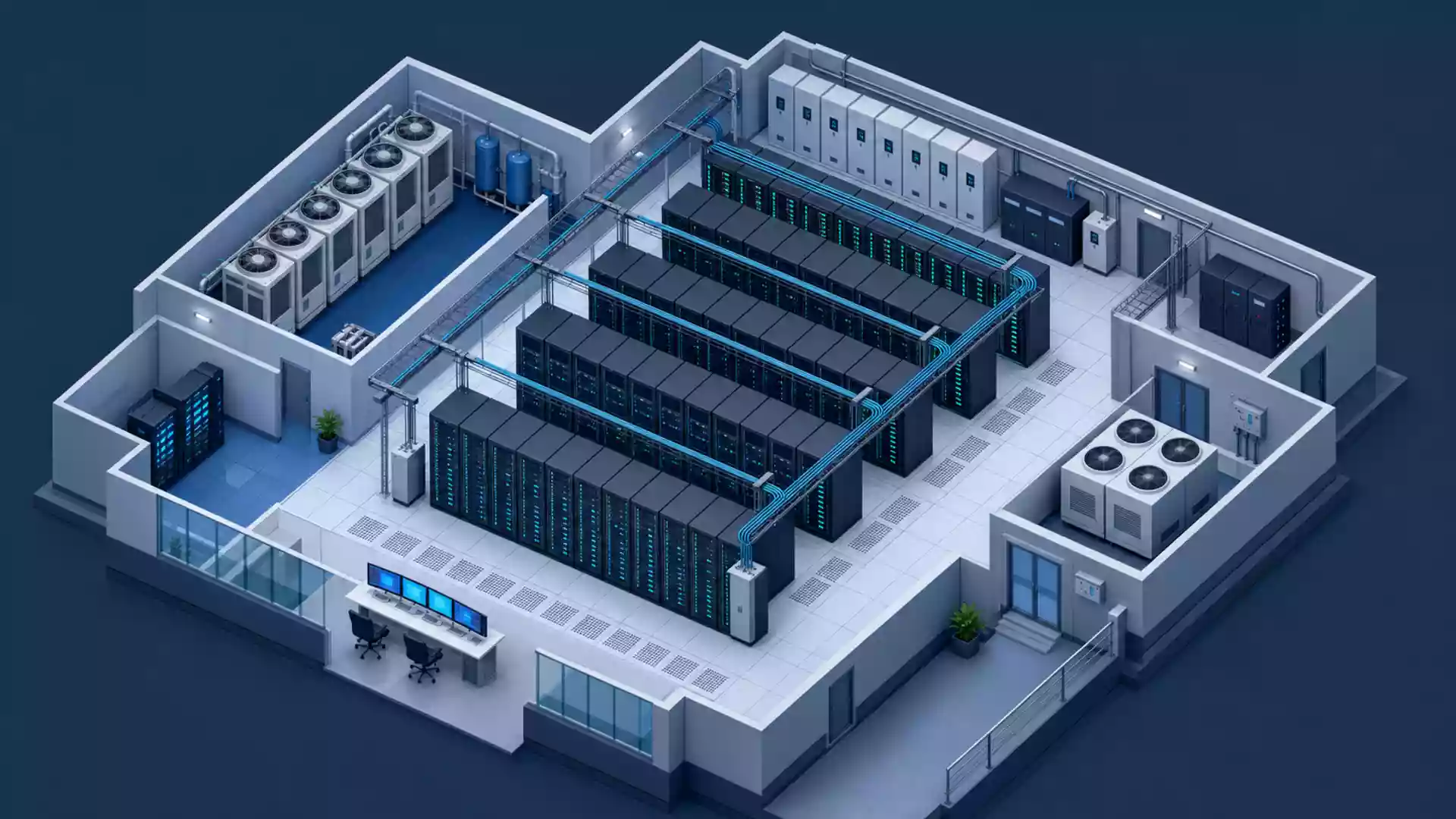
Beyond manufacturing, Nvidia is targeting how complete AI infrastructure gets deployed. About a week ago it unveiled DSX POD, a modular reference design for Vera Rubin AI factories. According to the company, the concept can cut deployment time from six months to as little as 14 days, with partners due to deliver the systems worldwide from early 2027.
For investors, the split is clean. The latest share price advance drew its momentum from the AI theme and the Anthropic filing — not from new business at Nvidia. The company-specific test is whether it can convert heavy demand into delivered product and execute the build-out it has announced. Yesterday's gain reflects fresh optimism, not the resolution of the bottlenecks.
Ad
Nvidia Stock: New Analysis - 27 October
Fresh Nvidia information released. What's the impact for investors? Our latest independent report examines recent figures and market trends.