Nvidia Ships Vera Rubin and Raises 2028 Growth Target, Even as Margins Thin and the CEO Search Drags On
Published on 11/18/2026 at 15:01 | Editorial boerse-global.de
Nvidia shares moved higher on Wednesday afternoon, lifted by a broad recovery across AI-related equities. Reuters tied the sector-wide gains to the company's surprisingly strong revenue outlook, which it said had eased market worries about demand. The more instructive story, though, sits behind the headline forecast.
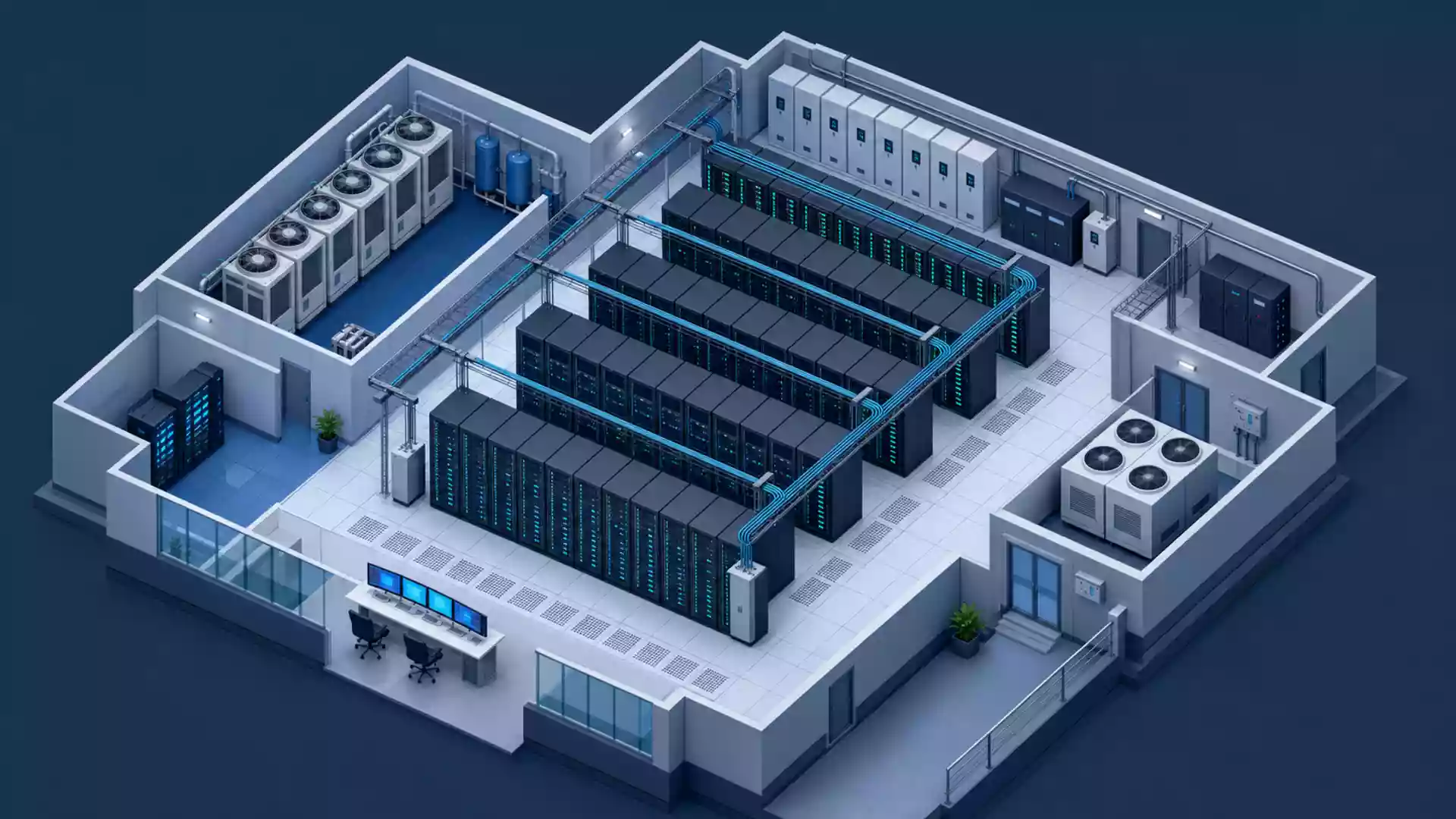
The chipmaker confirmed the production ramp and the start of deliveries for its Vera Rubin NVL72 systems. Expectations have turned into physical installations — and that operational milestone is landing while the company navigates a substantial shake-up at the top.
From announcement to installation
Nvidia named CoreWeave, Google Cloud, Microsoft Azure, Oracle Cloud Infrastructure and Nebius as partners already running the systems. That goes beyond a product launch; it marks the shift to actual use. The distinction matters when sizing up the AI business: a platform on a roadmap promises revenue, while shipped systems document a completed operational step.
The results published yesterday fit that picture. In the third quarter of fiscal 2027, Nvidia posted record revenue of $115.8 billion, up 103% year over year. Data-center operations contributed $107.6 billion, a 110% jump from a year earlier, and account for the overwhelming majority of the top line. Anyone assessing Nvidia has to reckon with that segment first.
A forecast with a built-in boundary
For the closing quarter of fiscal 2027, management projects revenue of $130.0 billion, plus or minus 3%. The guidance assumes no data-center compute revenue from China — a caveat that belongs to the forecast itself rather than to the fine print. The outlook is not an unrestricted statement about every available sales channel; its value lies in the volume Nvidia expects under that explicitly stated assumption. According to Reuters, it was enough to calm demand concerns in the market.
Should investors sell immediately? Or is it worth buying Nvidia?
Interim CEO Colette Kress went further today, reaffirming an upgraded target for fiscal 2028: revenue should climb roughly 75%, up from about 70% previously. She pointed to stronger demand and additional supply. In other words, the leadership transition is not being paired with a more cautious business expectation.
There is a wrinkle in the near-term comparison. The current quarter contains an extra week, so part of the expected sequential increase reflects the longer reporting period rather than an acceleration in underlying demand. Melius Research puts the contribution of that extra week at $9–10 billion. For the longer-range growth target, by contrast, Nvidia explicitly cites demand and available supply.
Capacity secured, margins trimmed
Kress called the Vera Rubin launch "explosive" and said the product roadmap remains on schedule. She also said memory and packaging capacity has been secured — a point that underpins the raised growth outlook, since Nvidia must not only win demand but also fill it with shippable systems.
The trade-off shows up in profitability. For the closing quarter, Nvidia guides to a gross margin of 71–72%, down from an adjusted 74.9% in the quarter just reported. Strong top-line growth is therefore being paired with a thinner margin, and investors should read the two figures together. Higher revenue expectations alone do not fully describe the expected earnings trajectory.
A boardroom still in flux
Alongside the upgraded growth target, Kress confirmed today that the board does not intend to reinstate Jensen Huang as CEO. The search for a permanent successor covers both internal and external candidates, and Nvidia does not want to rush the choice. Huang stepped down on November 12 as president, chief executive and board member; Kress took over on an interim basis, and Harvey Jones became chairman of the board. According to AP, Jones said yesterday that the board would not bring Huang back as chief executive.
Kress said business operations and customer relationships are running normally, drawing an explicit line between the company's operating performance and the unresolved question of permanent leadership.
A legal cloud adds to the picture. The Wall Street Journal reported yesterday on a civil SEC investigation into whether Nvidia's disclosures misled investors; Reuters picked up the report, citing the newspaper.
The takeaway for investors is twofold. Deliveries make the AI build-out more tangible, and the numbers document the growth already achieved. Leadership and disclosure, however, demand separate scrutiny. Operational momentum is a strong argument — but it is no substitute for dependable corporate governance.
Ad
Nvidia Stock: New Analysis - 18 November
Fresh Nvidia information released. What's the impact for investors? Our latest independent report examines recent figures and market trends.