Oil's Inflationary Ripple Keeps Gold in Check as Central Bank Buying Offers Partial Shelter
Published on 11/15/2026 at 10:11 | Editorial boerse-global.de
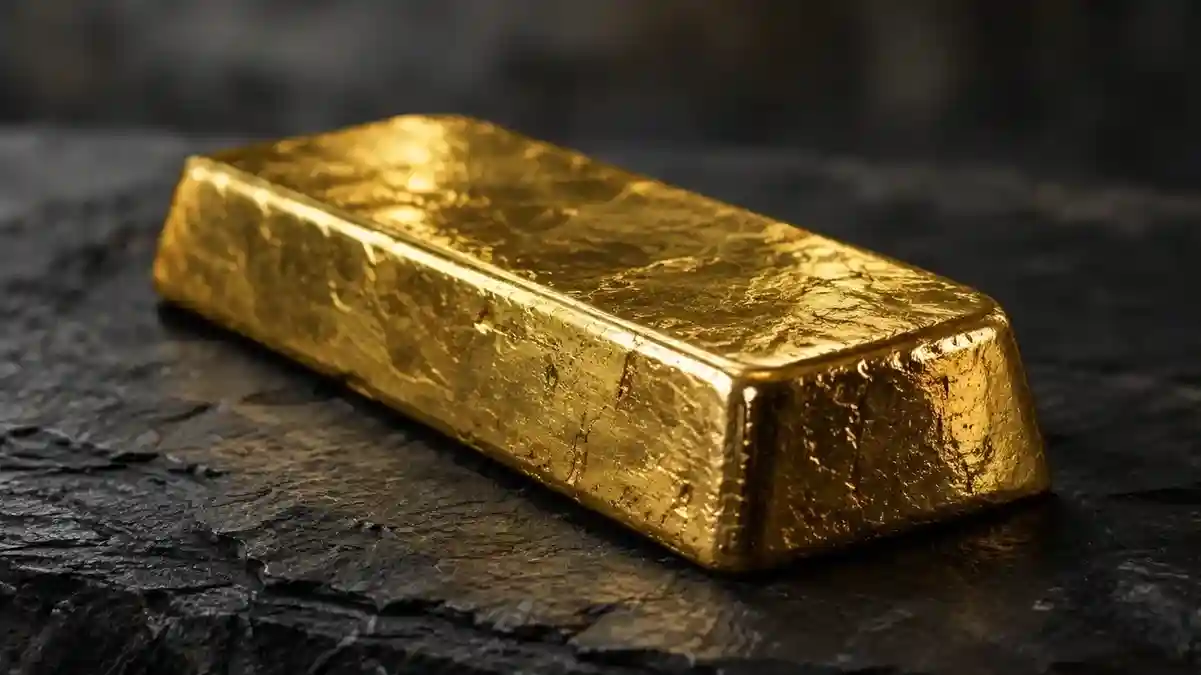
Gold finished Friday at 3,876.13 USD an ounce, and the modest bounce into the weekend did little to alter the metal's central bind: geopolitical friction in the Middle East is no longer working in bullion's favour, but rather squeezing it through the oil price. According to media reports, US President Donald Trump said on Thursday that Washington had no interest in a deal with Iran, dimming hopes for a political thaw and sending crude higher. The knock-on effect for gold ran through inflation expectations and, in turn, the odds of tighter Federal Reserve policy.
That sequence matters more than the headline uncertainty itself. The oil rally compounded fears that further rate hikes may be needed, turning a geopolitical escalation into a drag on the non-yielding metal rather than a haven bid. Wednesday had already set the tone, when stronger-than-expected US consumer prices and hawkish remarks from Fed officials, as reported by Reuters, lifted the dollar and reinforced expectations of a December rate increase. October CPI rose 0.4% month on month, according to media reports, against the 0.3% economists polled by Reuters had forecast.
A Technical Rebound, Not a Turning Point
Jens Chrzanowski, Germany head at XTB, frames the coming week of 16 to 20 November as "sideways to upward" in an analysis published yesterday. He is explicit that this describes a countermove after recent selling, not the end of the broader downtrend. The prior pressure, he notes, came from profit-taking from Tuesday onward following the strong advance of the previous week, and from a failure at the long-term moving average. No fresh fundamental catalyst underpins his view — only the possibility of a recovery once the selling has run its course.
Should investors sell immediately? Or is it worth buying Gold?
Official-Sector Demand Cuts the Other Way
Against the picture of unrelenting weakness, the physical market tells a more nuanced story. The World Gold Council reported on 9 November that physically backed gold funds drew worldwide inflows of 2.7 billion US dollars in October, led by Europe, with Asian funds also adding on a net basis. North American funds, by contrast, posted small outflows — a reminder that international buying is a support for demand, not proof that every investor group is turning bullish again.
Central banks have kept accumulating too. World Gold Council figures dated 4 November put reported net purchases at 61 tonnes in September, the highest monthly tally of the year to that point, with Poland and China leading the buying. On a quarterly view, the official sector bought 321 tonnes net in the third quarter of 2026, 42% above the same period a year earlier.
Yet the aggregate demand picture is less flattering. Total worldwide gold demand including over-the-counter transactions slipped 1% year on year to 1,369 tonnes in the third quarter of 2026, according to the World Gold Council. Jewellery demand fell 17% to 313 tonnes — the thirteenth consecutive quarterly decline. Stronger buying from one cohort, in other words, has not been enough to lift the total.
What Would Change the Story
For investors, the distinction is straightforward. Fund and central bank purchases underpin demand, while inflation and the rate outlook cap the near-term room to rally. A technical recovery could therefore unfold without those headwinds dissipating. The next confirmed US data point is the import and export price indices on 17 November. Until then, Chrzanowski's call stays deliberately narrow: a possible stabilisation with an upward tilt, but no signal yet of a durable change in trend.
Ad
Gold Stock: New Analysis - 15 November
Fresh Gold information released. What's the impact for investors? Our latest independent report examines recent figures and market trends.