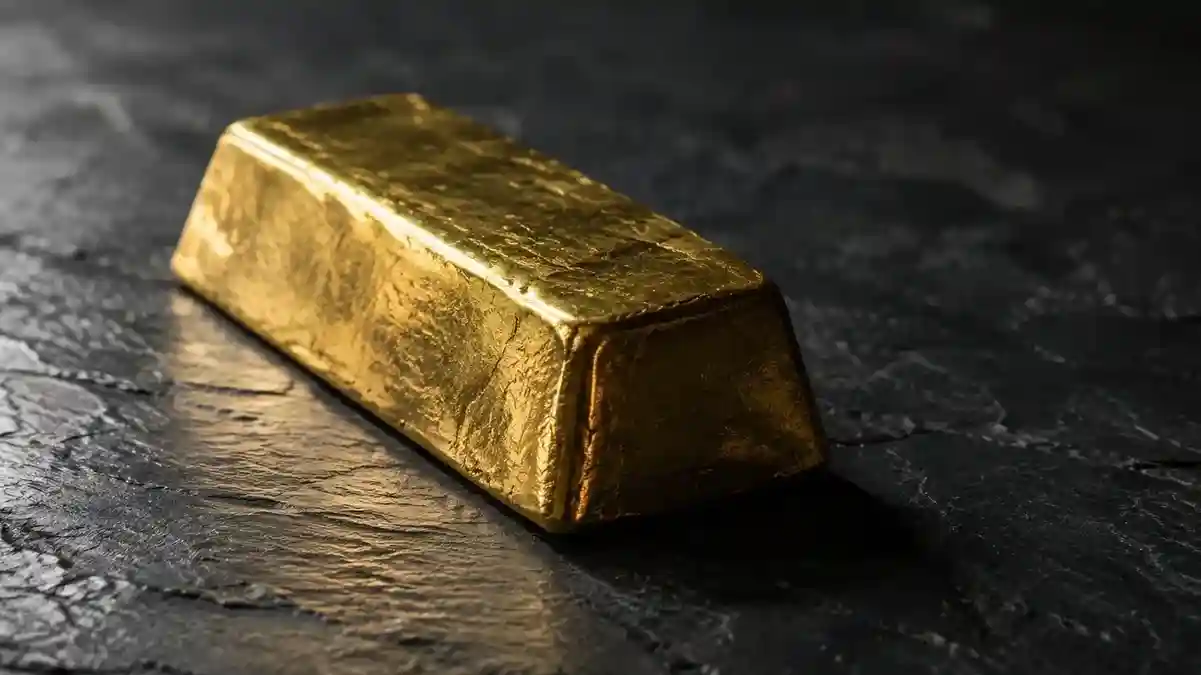
Record Gold Mining Costs Offer No Floor as Oil and Fed Fears Weigh on Bullion
Published on 11/15/2026 at 08:41 | Editorial boerse-global.de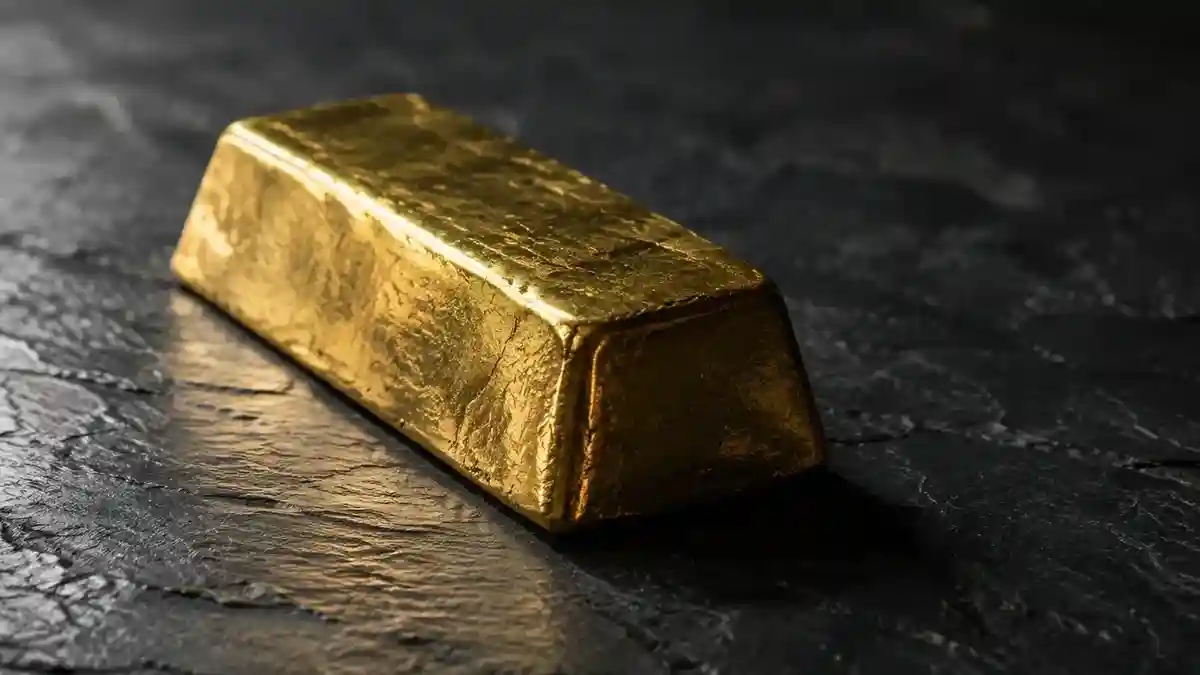
Gold's producers are digging deeper into their pockets even as the metal itself struggles for traction. All-in sustaining costs across the industry jumped 8% quarter-on-quarter and 22% year-on-year, the World Gold Council reported, driven by higher spending and persistent inflation.
That milestone, however, says nothing about where bullion trades day to day. The metric describes the cost base of mining companies, not the short-term pricing of the metal, so no hard floor for the gold price can be inferred from it. Rising costs and a falling selling price simply pull producer margins in opposite directions.
Oil, Inflation and a Firmer Dollar Do the Damage
Prices came under pressure from several directions at once. Midweek, hotter-than-expected US consumer inflation figures and hawkish comments from Federal Reserve officials strengthened the dollar and fuelled expectations of a December rate hike, according to Reuters. Oil then added fuel to the fire after media reports that US President Donald Trump said Washington would not pursue a deal with Iran. Crude climbed, sharpening inflation worries and hardening bets on tighter monetary policy.
The geopolitical flare-up in the Middle East therefore did not support gold — it hurt it, by way of the oil price and the rate expectations that followed. Friday's modest rebound did little to change that picture. Gold settled at 3,876.13 USD per troy ounce, still firmly in the grip of the inflation-and-rates debate, with higher production costs proving no match for the macro headwinds, at least in the near term.
Should investors sell immediately? Or is it worth buying Gold?
Central Banks Buy, Jewellers Retreat
Demand told a similarly mixed story. Worldwide gold demand including over-the-counter transactions slipped 1% year-on-year to 1,369 tonnes in the third quarter of 2026. Exchange-traded gold funds, by contrast, drew inflows of 211 tonnes.
Official-sector buying was the standout. Central banks added a net 321 tonnes, up 42% from the same quarter a year earlier. That offset some of the weakness elsewhere but was not enough to keep overall demand from shrinking.
Jewellery bore the brunt. Purchases fell 17% year-on-year to 313 tonnes — the thirteenth consecutive quarterly decline, according to the World Gold Council. The divergence matters for investors: a bigger buyer in one corner of the market does not mean demand as a whole is growing.
Gold at a turning point? This analysis reveals what investors need to know now.
For those holding gold, the signals point in no single direction. Central bank accumulation and ETF inflows sit alongside a slightly smaller overall market, while the recent price drop shows how forcefully US inflation prints and policy expectations shape the short-term path. Record mining costs add a longer-run supply-side theme to the mix — but they are no substitute for a demand signal.
Ad
Gold Stock: New Analysis - 15 November
Fresh Gold information released. What's the impact for investors? Our latest independent report examines recent figures and market trends.