
Rheinmetall's Simulator Milestone Lands as Margins and Cash Flow Take Center Stage
Published on 09/22/2026 at 15:12 | Editorial boerse-global.de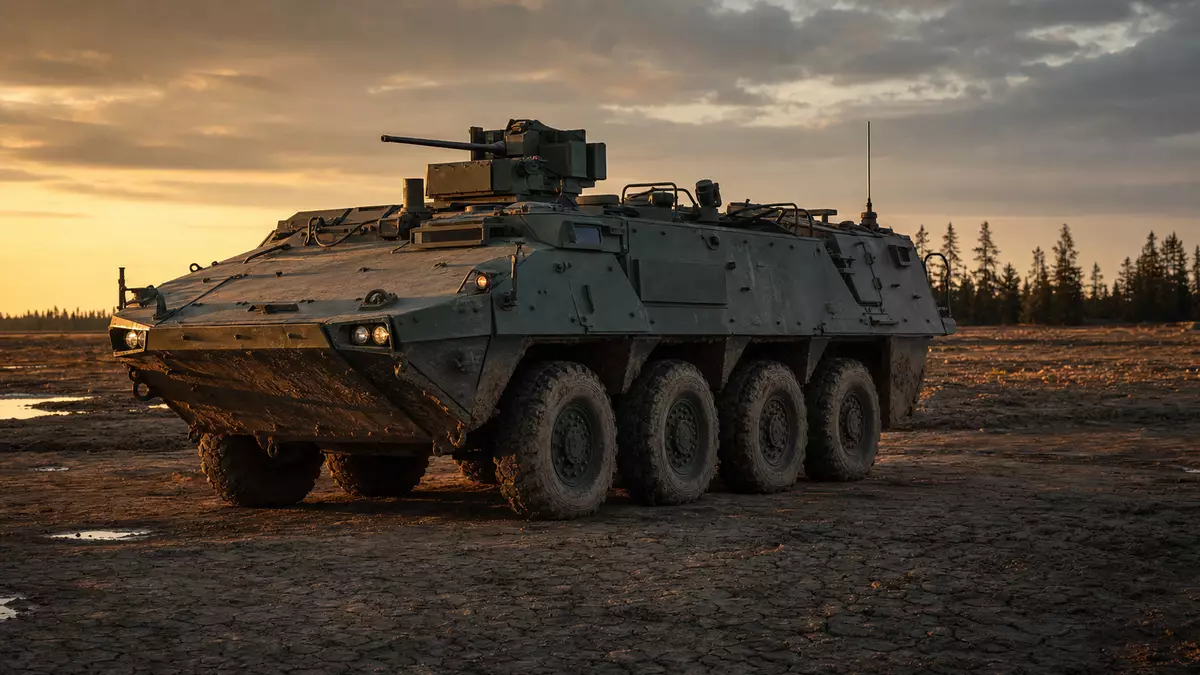
Rheinmetall has cleared a key hurdle in equipping the Bundeswehr, completing factory acceptance of a new training rig for the Schwerer Waffenträger Infanterie at its Bremen site. The AGSW simulator was signed off by the Army Development Office, procurement agency BAAINBw, and representatives of the Jäger corps and the Infantry School, with the BAAINBw project lead formally confirming the July milestone. Development began after the contract was signed in early 2024 and wrapped up in July.
The timing matters. Troops will be able to train on modern simulators well before the actual fighting vehicles arrive. Jäger battalions already received handling trainers between September 2025 and April 2026, and the first full AGSW unit is due to be handed over to the Infantry School this autumn. Rheinmetall plans to deliver five of the simulation systems in total by mid-2027.
Each rig comes with a control and evaluation station plus four combat rooms, and can be networked with other infantry desktop trainers. The simulators replicate the driving module of the Boxer wheeled armored vehicle fitted with the Lance two-man turret. Germany is procuring 123 of the heavy infantry carriers under a government-to-government deal with Australia, replacing the older Wiesel 1.
Telford Investment Targets Challenger 3
While the Bundeswehr programs advance, Rheinmetall is also building out capacity abroad. Rheinmetall UK is investing in a new vibration test facility at its Telford site, currently supporting development of Britain's future Challenger 3 main battle tank. The rig reproduces vehicle motion in a controlled environment and can test assemblies weighing up to 40 tonnes. According to Rob Hunter, test manager at Rheinmetall UK, the technology enables realistic stress testing before physical trials begin. Longer term, the facility is intended to be opened up to other defense programs and civilian applications as well.
Should investors sell immediately? Or is it worth buying Rheinmetall?
A Stock Under Pressure Despite a Record Backlog
The operational progress contrasts sharply with the mood in the equity market. Rheinmetall shares ended yesterday's session at EUR 1,012.00 and were quoted pre-market today at EUR 1,015.00, while the stock has shed 35% since the start of the year — a reversal after strong gains in the prior year. Today the shares are trading 0.7% lower at EUR 1,005.00.
Investor caution has been building for weeks. Demand for defense equipment across Europe remains robust, but the shift to new weapons systems and reconfigured supply chains is proving anything but smooth. Attention is moving beyond the sheer volume of orders toward the question of actual profitability.
JPMorgan added to the wariness on September 10, placing Rheinmetall on a "Negative Catalyst Watch" while keeping its rating at "Neutral." The analysts pointed to emerging margin pressure stemming from a changing product mix. As the company pivots toward missiles, drones and digital systems, substantial upfront investment weighs on operating margins. It is a double-edged shift: the move secures future market share in modern warfare, but the established ammunition and vehicle divisions have historically delivered the most dependable and profitable returns. Rebuilding those revenue streams dampens near-term earnings momentum.
Cancelled Frigates, Delayed Vehicles, Negative Cash Flow
The warning landed in an already strained environment. A decisive blow was the German government's decision to cancel the F126 frigate program. At the same time, the group guided toward a significantly negative operating free cash flow for the full year. Reports of delivery delays on the wheeled armored vehicle and the Skyranger air-defense system, along with quality checks on protective armor plates, added to the downbeat tone.
Those delays lay bare the industrial challenges facing the sector. After years of low utilization, capacity cannot be ramped up without friction. Strict acceptance procedures and technical requirements mean even minor defects in supplier parts can throw entire production runs off schedule.
Rheinmetall at a turning point? This analysis reveals what investors need to know now.
Even so, the fundamental base remains formidable. Rheinmetall reported an order backlog of EUR 80.5 billion at mid-year, with rolling ammunition orders securing baseline utilization for years. That confirms demand for conventional defense goods is unbroken. Working through those volumes, however, requires heavy interim financing for raw materials and manufacturing stages, which ties up liquidity in the meantime.
November 5 Looms Large
Management's task now is to work off the hefty order book on schedule and without operational slippage. Fresh signals on the operating performance and profitability of the running defense programs are expected on November 5, when Rheinmetall reports third-quarter figures.
Ad
Rheinmetall Stock: New Analysis - 22 September
Fresh Rheinmetall information released. What's the impact for investors? Our latest independent report examines recent figures and market trends.


