Siemens Energy: A 6.1% Intel-Driven Slide, a Hokkaido Wind Pact, and the November Numbers That Must Sort Signal From Sentiment
Published on 10/31/2026 at 04:40 | Editorial boerse-global.de
Siemens Energy shares fell 6.1% on Thursday, caught in a broad selloff of European technology and energy-engineering names after Intel's weak quarterly outlook revived doubts about the scale and payback of artificial intelligence spending. A separate tally put the decline at 6.3% intraday. Either way, the move had nothing to do with a fresh company announcement about cancelled orders — a distinction that matters for anyone trying to read the stock.
Reuters attributed the global tech retreat to mounting unease over the returns on hefty AI outlays, while dpa-AFX pointed to disappointing quarterly reports and guidance from Amazon and Intel. Siemens Energy, tagged in the DAX as a beneficiary of data-centre buildout, was swept up in the selling.
A transmission channel, not a profit warning
The logic linking chips to turbines runs through electricity demand. New data centres need power, and that has tied Siemens Energy's order hopes to AI infrastructure budgets. The risk flagged in media reports is that delayed or scrapped data-centre projects could dent demand for the company's gas turbines and grid equipment. What began as soft chip guidance thus became a worry about future spending on energy plant.
That is a plausible economic link — but it is not proof that projects will actually fall away. Treating the two as the same thing turns a demand risk into a revenue decline, a shortcut investors should resist. Yesterday's move reflected a shift in expectations about the investment climate, not a confirmed deterioration in the business.
Two objections, not one
Price and margin questions form a second, separate line of attack. According to media reports, one bank warned of limited room for further price and margin gains at energy-technology suppliers. That is a different concern from vanishing data centres: even continued buildout would not by itself settle how profitable the work turns out to be.
Should investors sell immediately? Or is it worth buying Siemens Energy?
Bank of America took the other side on Wednesday, sticking with its buy rating and calling the fears behind the recent slide overdone. The optimistic reading sees too much pessimism priced in; the cautious one focuses on the ceiling for further improvement. Demand, pricing and margins belong together but are not interchangeable — brisk orders would not automatically justify margin optimism, and a sober view on pricing does not prove demand has cracked.
Japan adds a second front
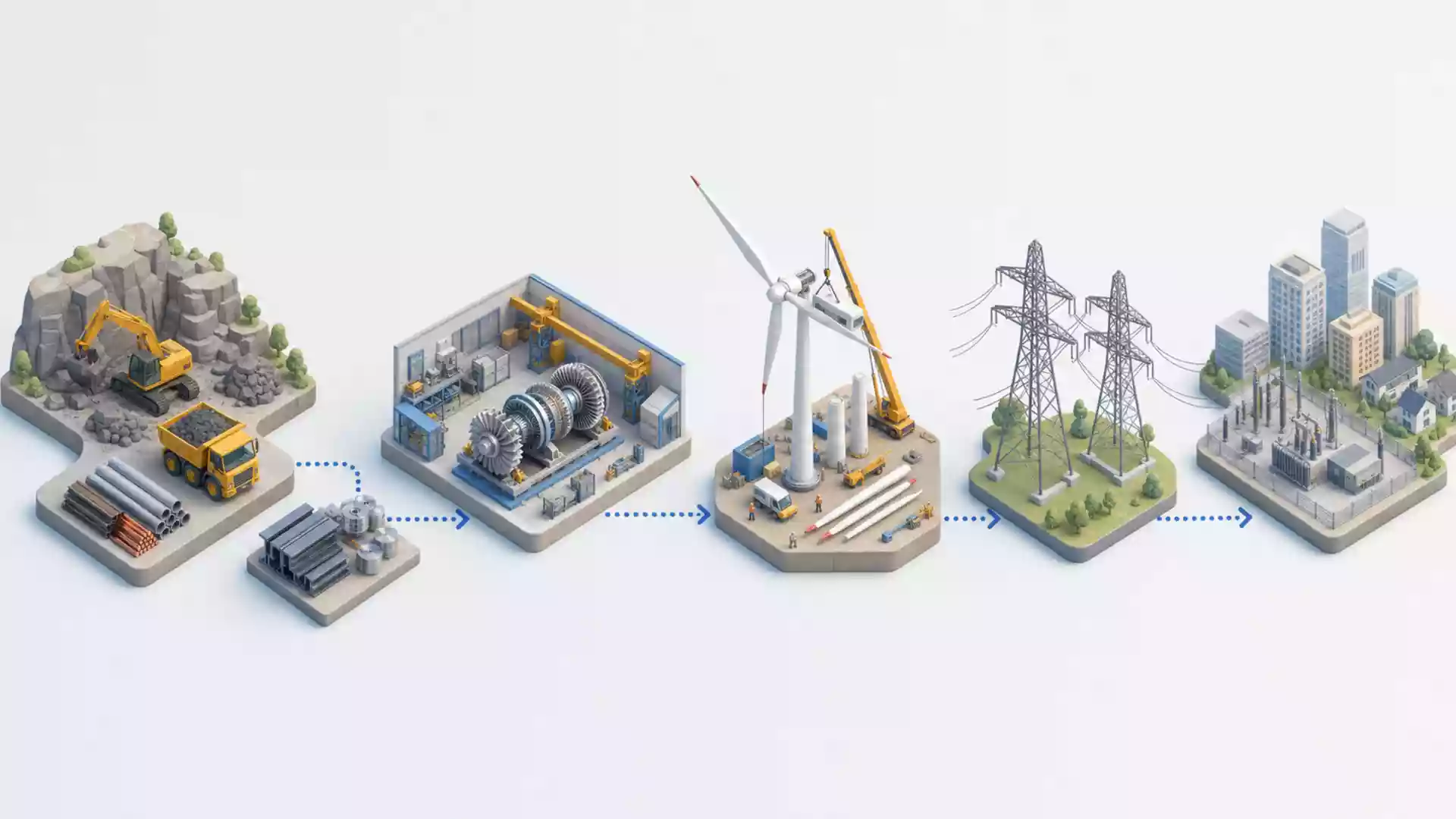
Siemens Energy is not reducible to the data-centre debate. On Thursday it agreed to cooperate with Japan's Ministry of Economy, Trade and Industry on floating offshore wind projects, supply chains and workforce training, with an operations and maintenance base planned on Hokkaido. The accord adds strategic breadth, though it neither refutes the AI-related risks nor demonstrates any earnings contribution yet.
A sector datapoint offers some context on demand. Rival GE Vernova, media reports said, posted third-quarter 2026 revenue of $12.6 billion, with growth credited to power demand from new AI data centres. That is an industry indicator, not a preview of Siemens Energy's results — but it shows why infrastructure demand should not be judged purely on tech-stock sentiment.
What the bears are really watching
The harsher scenario goes beyond a mood swing. If doubts about the economics of AI applications lead to more restrained investment decisions, the expected demand for supporting energy infrastructure could undershoot the hopes baked into the stock. That would matter far more than a single bad session. Pointing to structurally rising power needs is not enough; whether planned projects actually get built is what counts for valuation.
The Japan cooperation would not automatically offset such a shift either. An agreement and a planned service hub are a long way from booked revenue or profit, and investors should weigh strategic promise separately from operating confirmation.
November 11 is the arbiter
The next hard test arrives on November 11, when Siemens Energy publishes results for the fourth quarter and full-year 2026 at 07:00 CET, followed by a balance-sheet press conference at 08:00 CET. Until then, the key distinction should hold: Thursday's decline was a reaction to changed expectations about an investment environment. Whether that scepticism reaches Siemens Energy's own business must be measured against its numbers. The AI link explains the price pressure — it is not yet evidence of its economic size.
Ad
Siemens Energy Stock: New Analysis - 31 October
Fresh Siemens Energy information released. What's the impact for investors? Our latest independent report examines recent figures and market trends.