
Siemens Energy's Canadian Nuclear Win Meets a Two-Speed Wind Market
Published on 09/23/2026 at 15:02 | Editorial boerse-global.de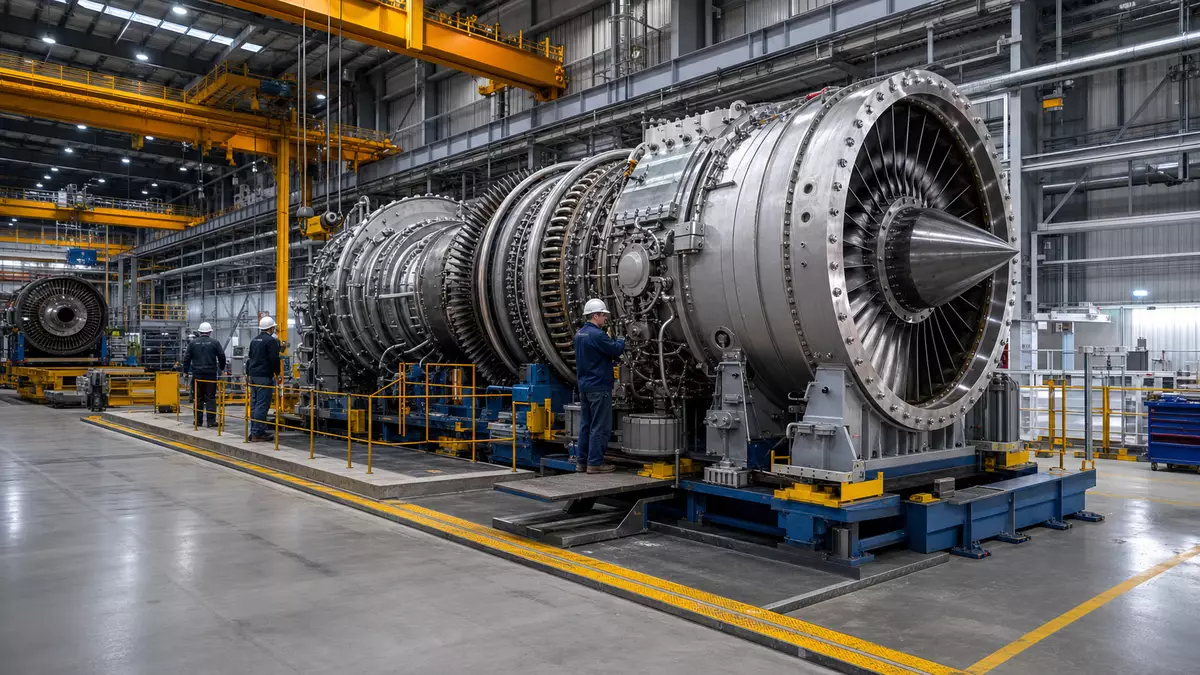
Siemens Energy shares changed hands at EUR 144.64 in recent trading, a dip of 1.2 percent that says less about the company's prospects than about how much good news is already baked into the price. The Munich-based energy technology group has spent the past few quarters converting skepticism into orders, and the latest batch of developments gives bulls fresh ammunition while leaving little room for error.
A CAD 1.3 Billion Nuclear Mandate in Ontario
The headline-grabber comes from North America, where Siemens Energy Canada and its partner Aecon have secured a major contract worth USD 1.3 billion to refurbish the Pickering nuclear power station in Ontario. The consortium will supply the core turbine technology for the life-extension project, including 14 steam turbine rotors and four generators.
The reactors at the site will be taken out of service in stages before the actual rebuild begins. Pickering ranks among Canada's largest clean infrastructure undertakings, and Siemens Energy's central role in it underscores the group's technological standing in conventional large-plant engineering — a segment that is enjoying something of a revival as nuclear modernization programs gather pace worldwide.
Beyond the sheer contract volume, the deal carries strategic weight. Large plant projects always bring operational risk, but this one feeds directly into the company's broader goal of locking in earnings through dependable long-term agreements. It also buys management valuable visibility stretching years into the future.
Wind Division Back in the Black
Canada is only one piece of a sturdier overall picture. Siemens Energy's total order book sits at a record level — above EUR 160 billion — pointing to sustained demand for energy infrastructure. The market capitalization stands at roughly EUR 121.8 billion, a scale that separates the group sharply from pure-play turbine makers.
Should investors sell immediately? Or is it worth buying Siemens Energy?
More consequential for investor confidence is the turnaround at Siemens Gamesa. The long-troubled wind subsidiary is profitable again, removing an existential drag that had held the parent company back for several quarters. Comparable revenue growth of 18.5 percent in the third quarter of 2026 offers further evidence of the operational recovery after years of turbulence.
The group is also testing new gas turbine technology at the Marl chemical park, designed to pave the way for hydrogen-capable power plants, while continuing to expand its grid capacity business.
The Analyst View: EUR 245 and Beyond
Sell-side sentiment leans bullish. JPMorgan has reaffirmed its buy rating with a price target of EUR 245, while the average analyst forecast sits closer to EUR 200. The stock's 52-week high of EUR 195.38, set in April, remains some distance away — but the trajectory, in the eyes of many observers, points in the right direction.
A Different Play on the Same Megatrend
Siemens Energy's breadth stands in contrast to more focused competitors. Nordex, a pure onshore specialist listed on the TecDAX, has built its strategy around the Delta4000 platform, betting that standardization delivers a cost edge in a price-sensitive market. Its market value of about EUR 9.6 billion is a fraction of Siemens Energy's, yet its EBITDA margin has climbed into double digits — a notable feat for a turbine maker that spent years squeezed by thin profitability.
At the Hamburg wind trade fair, Nordex unveiled the N193/7.X, a turbine aimed at sites with low to medium wind speeds that promises up to 14 percent more yield than its predecessors. The launch addresses a core market problem: where permitting is slow and land is scarce, efficiency per site decides whether a project succeeds.
The two companies illustrate divergent approaches to the same energy transition. Siemens Energy covers gas turbines, grid technology and wind under one roof, allowing synergies such as connecting offshore wind farms directly to grid infrastructure. That diversification cushions project risk but demands the complex choreography of an industrial conglomerate. Nordex offers agility and a laser focus on operators with limited space or specific wind conditions, at the cost of greater exposure to shifting political frameworks and global competition.
Valuation Leaves No Margin for Missteps
None of this erases the challenges. Siemens Energy's valuation has already priced in much of the fundamental upswing, which means the company must now deliver operationally, quarter after quarter. Any setback on major projects, or renewed friction in the wind division, would draw an immediate market response.
Even so, the balance of risks looks more favorable than it did a few years ago. The billion-dollar Canadian order confirms that demand for core components of the global energy supply remains robust. If management can keep stabilizing margins in the wind business and profitably work through its enormous backlog, the case for a continued re-rating stays intact. For Nordex, the wager is narrower but sharper — a concentrated bet on onshore wind that could pay off handsomely if margin gains and new products like the N193/7.X land as planned. Operational discipline, for both, remains the currency that matters.
Ad
Siemens Energy Stock: New Analysis - 23 September
Fresh Siemens Energy information released. What's the impact for investors? Our latest independent report examines recent figures and market trends.


