Siemens Energy's Hydrogen Milestone Only Counts Once a Customer Signs
Published on 11/28/2026 at 04:12 | Editorial boerse-global.de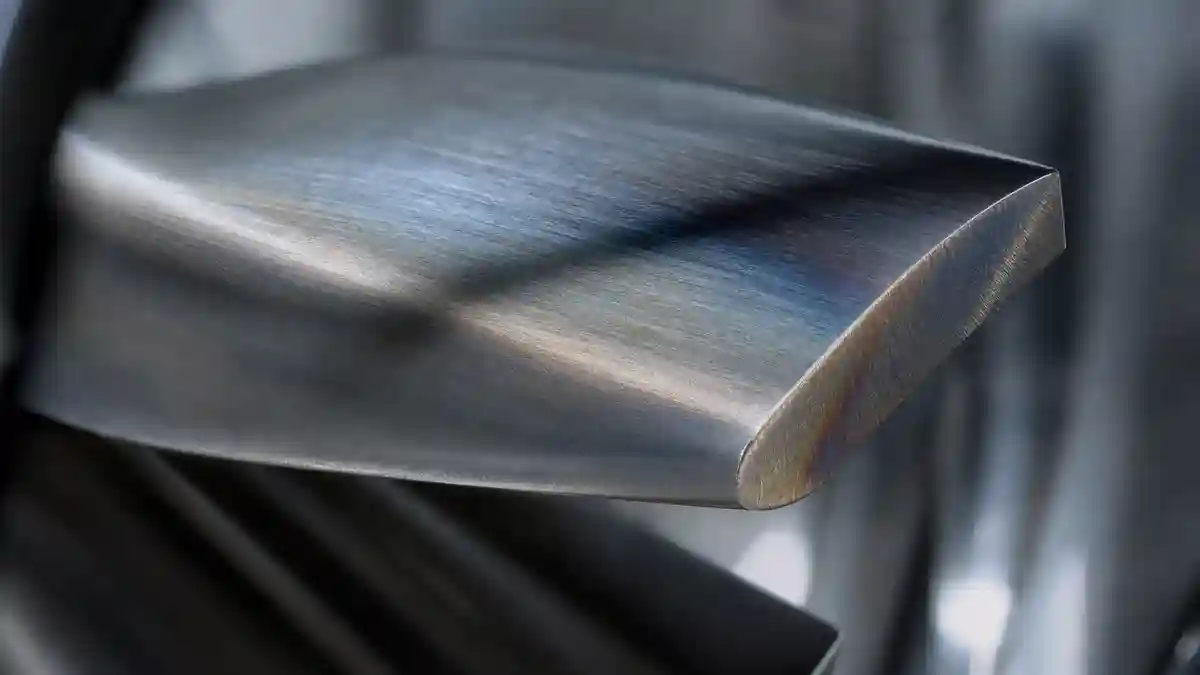
Siemens Energy shares closed yesterday at €119.72, up 1.8%, in a move that coincided with a broader recovery in AI-related stocks; Infineon also gained ground in the same session. Yet the more consequential question for investors sits well away from the daily tape: whether a successful hydrogen demonstration can be converted into binding industrial orders — and whether those orders can be won at terms that support the company's long-term margin ambitions.
The technical starting point is the HyCoFlex project, where a SGT-400 gas turbine ran on 100% renewable hydrogen across its entire operating range inside an integrated combined heat and power plant, a result Siemens Energy reported on 16 November. Start-up procedures were included in the test. Crucially for industrial buyers, the unit generated electricity and process steam simultaneously at full load — a combination that matters more to a customer's business case than the fuel itself.
From Proof of Concept to Purchase Order
What separates a laboratory success from a growth driver is the shift to firm commitments. A customer project would signal that an operator considers the equipment fit for purpose and is willing to commit capital to it — a far stronger indicator than another test confirming the same operating mode. For the technology to move the needle on group results, however, such projects would need to make economic sense beyond a single site.
Siemens Energy has held out a 20–22% earnings margin for 2030. That is a target for the group as a whole, not a benchmark for the returns on individual hydrogen projects. Judging such orders therefore requires more than their headline volume: the key question is whether Siemens Energy can win and execute them on terms that feed into that margin level.
Should investors sell immediately? Or is it worth buying Siemens Energy?
The optimistic path starts with an industrial customer that needs both power and process steam and can secure renewable hydrogen at workable costs. If the operating profile demonstrated in the trial matches that customer's requirements, a binding order could mark the transition from test to commercial deployment. Repeat orders for comparable plants would then carry greater weight, suggesting the benefits are not confined to one project's specific conditions. The nature of the next step matters here: a further demonstration would broaden the technical base, but only an order would show a customer putting money behind the technology.
Fuel Costs Are the Quiet Risk
The downside scenario needs no engineering setback at all. If renewable hydrogen is not available to an operator at viable cost, a project could be postponed even though the turbine performed exactly as intended in testing. The value of combined power and steam output would also have to be sufficient at that particular site to justify the investment — a question the successful turbine run does not settle. Even a single order would not eliminate the risk: if a project only pencils out under special conditions, no repeatable business can be inferred from it, and it would be premature to read a higher earnings contribution, or an easier route to the margin goal, into the technical success.
Until commercial projects materialise, the hydrogen operation is best classified as a business opportunity rather than a secured contributor to results. The next hard checkpoint is the publication of the 2026 annual report on 10 December.
The Numbers Behind the Margin Story
That report will give investors a fresh look at the starting position. For fiscal 2026, Siemens Energy posted revenue of €44.2 billion and an earnings margin before special items of 12.4%, with free cash flow before taxes of €8.8 billion. For fiscal 2027, management expects comparable revenue growth of 14–16% and an earnings margin before special items of 14–16%.
Siemens Energy at a turning point? This analysis reveals what investors need to know now.
Capital returns form the other pillar of the equity case. The company proposed a dividend of €2.30 per share for fiscal 2026 and announced buybacks of up to €9 billion by the end of fiscal 2030. In its shareholder letter, Siemens Energy put expected free cash flow before taxes at around €55 billion for the 2027–2030 period, with roughly 45% of planned capital deployment of about €60 billion flowing back to shareholders through dividends and repurchases.
Set against those targets, the hydrogen trial is a means rather than an end. Additional technical progress would help, but it cannot substitute for the commercial test — whether a concrete customer project emerges from the proven operating mode.
Ad
Siemens Energy Stock: New Analysis - 28 November
Fresh Siemens Energy information released. What's the impact for investors? Our latest independent report examines recent figures and market trends.