
Siemens Energy's Nuclear Double Play: Pickering Turbine Deal and UK SMR Manufacturing Break New Ground
Published on 09/22/2026 at 11:01 | Editorial boerse-global.de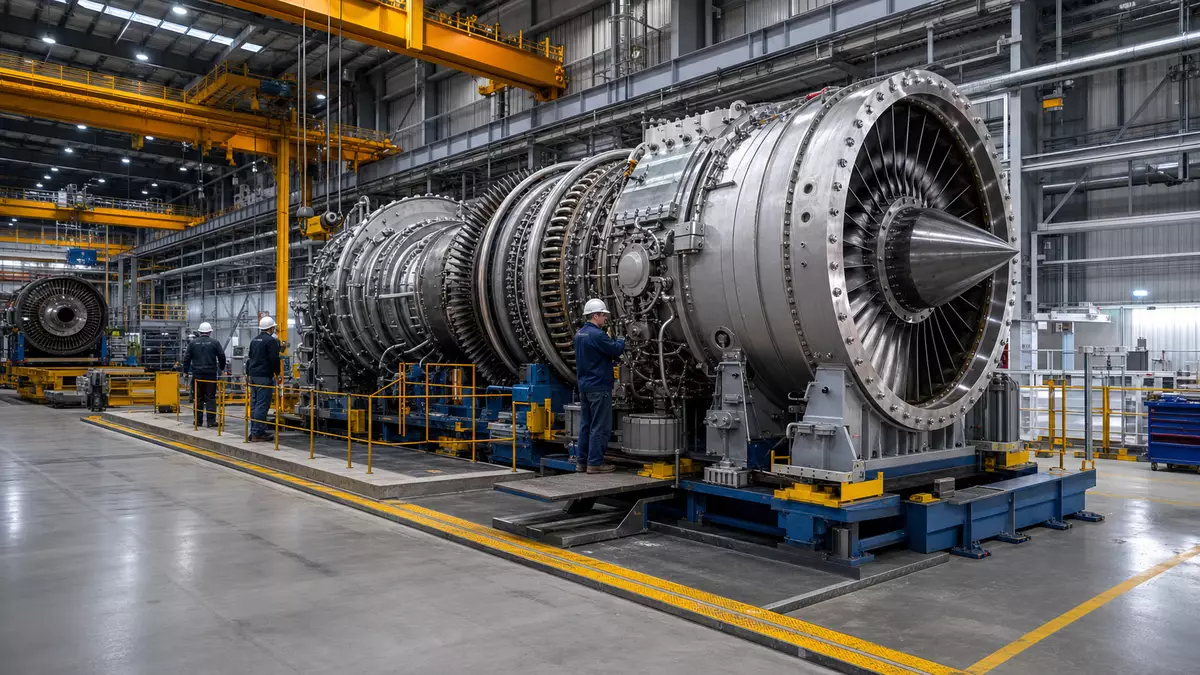
Siemens Energy has quietly assembled a nuclear portfolio that stretches from refurbishing Canada's largest power station to building turbines for Britain's next-generation reactor program. The two developments, taken together, sketch a company positioning itself at both ends of the nuclear lifecycle — extending the life of existing plants while planting a flag in the emerging small modular reactor market.
A C$ Multi-Decade Overhaul on Lake Ontario
At the Pickering nuclear station east of Toronto, operator Ontario Power Generation is pouring money into keeping four reactor units running for as long as 38 additional years. A consortium pairing Canada's Aecon with Siemens Energy has won the contract to replace the turbine generators, with Aecon holding the majority stake in the joint venture.
The scope is substantial: 14 new steam turbine rotors, four generators undergoing full overhauls including fresh stator windings, plus upgraded auxiliary and control systems. Site work is slated to begin in January 2027, contingent on approval from Canada's nuclear safety regulator.
That project rests on a straightforward demand story. Ontario's grid operator IESO projects the province's electricity needs could climb by as much as 90 percent through 2050, and nuclear has traditionally covered roughly half of that load. Upgrading existing reactors tends to be cheaper and more predictable for utilities than greenfield construction — which translates into years of maintenance, retrofit and service revenue for Siemens Energy, even as such work ties up specialized engineering capacity.
Should investors sell immediately? Or is it worth buying Siemens Energy?
A First for Europe's SMR Supply Chain
Roughly a month after the Pickering award became public, Siemens Energy announced on September 7 that it would manufacture turbines in the United Kingdom for the Rolls-Royce SMR project — the first production of its kind in Europe. The move opens an additional market segment in the European energy industry and extends the company's industrial manufacturing expertise into new nuclear technologies.
The strategic logic mirrors Pickering: as governments weigh compact reactor designs for future power supply, Siemens Energy wants an early seat at the table.
Record Quarter Underpins the Optimism
Both announcements land on a strong operational foundation. On August 5, Siemens Energy reported record figures for order intake, revenue and operating margin in the third quarter of fiscal 2026, with Reuters noting a pronounced positive share price reaction afterward. The numbers underscored sustained demand for grid and energy-transition equipment.
Analyst support has followed. One research house reaffirmed a positive view on the company's fundamentals after direct discussions with chief executive Christian Bruch. Board members have also been buying shares, a move the market typically reads as a confidence signal in the company's longer-term trajectory.
Where the Stock Stands
Siemens Energy shares closed Monday at EUR 143.34, up 1.9 percent on the day. The stock has gained 19 percent since the start of the year, though it remains well below its 52-week high of EUR 195.38 set in April.
The message for longer-term investors is that the energy transition is not purely a build-new business. A meaningful share of it runs through modernizing industrial assets that already exist — and that is precisely where Siemens Energy keeps finding reliable work.
Ad
Siemens Energy Stock: New Analysis - 22 September
Fresh Siemens Energy information released. What's the impact for investors? Our latest independent report examines recent figures and market trends.


