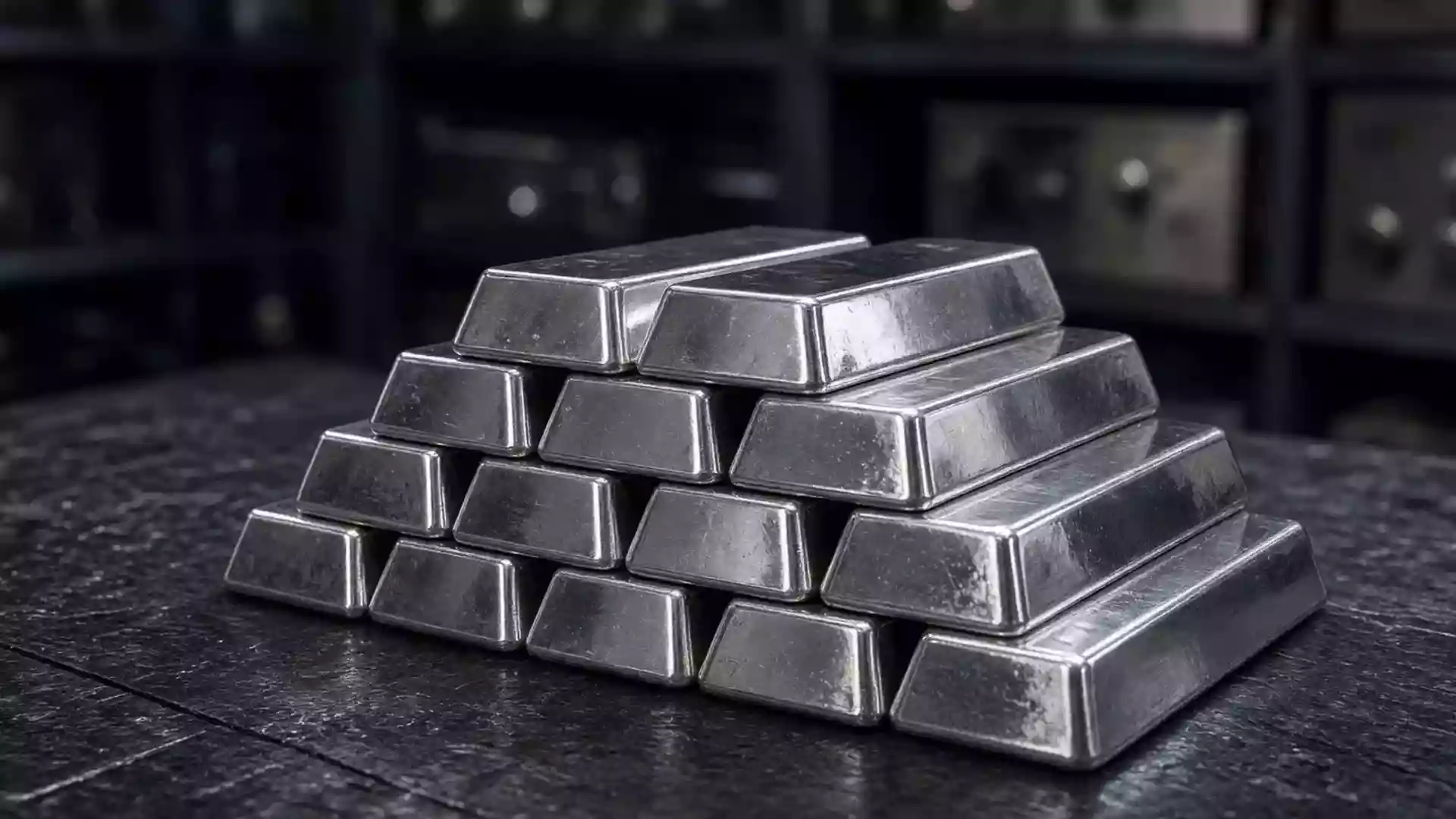
Silver's Downside Insurance Is the Priciest Since July — and That Cuts Both Ways
Published on 10/24/2026 at 21:50 | Editorial boerse-global.de
Protection against further losses in silver now costs more than at any point since early July, according to a report published today. The Kobeissi Letter, which flagged the development, also points to a lopsided positioning on the selling side of the market. The combination sharpens the split in silver trading right now: sentiment is plainly negative, yet the sheer weight of bearish wagers could set the stage for a sharp countermove if something jolts the market.
Options pricing tells the story
At the heart of the report is the price relationship between three-month puts and calls on silver. In The Kobeissi Letter's reading, it reflects unusually heavy demand for protection against further declines. Hedging has thus become a signal in its own right — a gauge of how nervous investors have grown.
A crowded short position, though, is no proof that a trend reversal is around the corner. The Kobeissi Letter frames it as a conditional scenario instead: a suitable catalyst could push short sellers to cover. Any such buying pressure could lift both silver and mining equities. No specific trigger is named.
The recent price action explains the appetite for protection. COMEX front-month silver settled yesterday at USD 53.96 per troy ounce, and the seven-day change of -5.6% underscores the selling pressure behind the pessimistic positioning. Over the course of the week, the metal touched its lowest level since November of last year.
Should investors sell immediately? Or is it worth buying Silber Preis?
Oil, rates and a Fed meeting in focus
The strain isn't coming from the silver market alone. Saxo analyst Ole Hansen points to inflation pressure from rising oil prices. That gives the energy market a role in explaining why the escalation in the Middle East has offered precious metals no support of late.
Brent climbed above USD 115 a barrel yesterday following the escalation and attacks on Saudi oil facilities. Media reports cite the resulting inflation and rate-hike expectations as a drag on silver. Reports of Huthi attacks on Saudi energy installations and risks to shipping accompanied the rally in crude. Higher energy costs reinforced market expectations of further US rate increases.
Geopolitical tension has therefore cut the opposite way for silver. Haven demand hasn't driven trading recently — the prospect of rates staying high has. News agency IANS explicitly named inflation worries and higher rate expectations as burdens on the precious metals.
Liquidity-driven selling is another possible explanation. Justin Lin of Global X ETFs told Bloomberg he suspected sales to raise cash amid falling technology stocks and weaker US equity indices. IANS likewise reported that losses in tech shares and margin calls amplified silver selling. That remains an explanation for the selling pressure, not a confirmed cause of every decline. The distinction matters: liquidity sales have a different immediate trigger than a reassessment of silver demand. A calmer equity market could therefore ease that particular drag — though it would not automatically clear the inflation and rate worries set off by the oil rally.
The next test comes from the Fed
The US central bank meets on October 27 and 28. A Reuters poll found a broad expectation of unchanged policy rates. A pause, however, would not amount to an all-clear for silver: markets still expect a rate increase in December.
Silber Preis at a turning point? This analysis reveals what investors need to know now.
Beyond the immediate decision, the guidance on the path ahead carries particular weight. A tighter signal could add to the pressure on silver; a less restrictive message could relieve it. US PCE inflation data follow on October 29 as the next fixed point on the calendar.
Charts add their own warning
Technical signals also lean cautious. A technical assessment published today names USD 53.08 per troy ounce as critical support. Only a break of that level could, under that scenario, see the price step down toward USD 50.
For investors, none of this amounts to a clear buy signal. Expensive downside hedges and crowded bearish bets can help engineer a rebound, but they won't end the downtrend on their own. What matters is telling apart the selling pressure that already exists from the short-covering that so far remains only a possibility. A lasting relief would require the interplay of energy inflation, rate worries and liquidity-driven sales to weaken. The steep price drop alone offers no evidence of that yet.
Ad
Silber Preis Stock: New Analysis - 24 October
Fresh Silber Preis information released. What's the impact for investors? Our latest independent report examines recent figures and market trends.