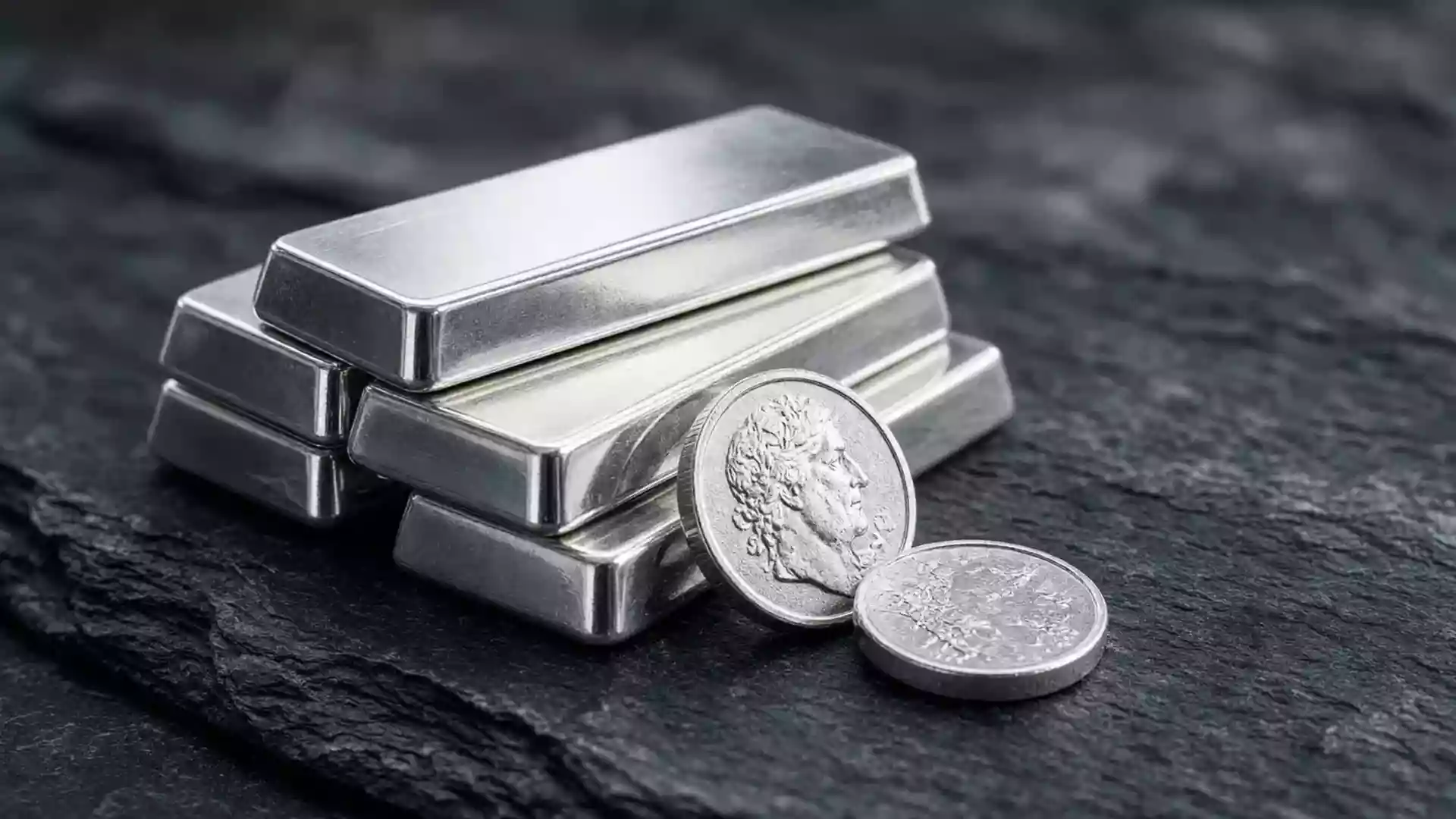
Silver's Sell-Off Isn't One Story: Oil, Margin Calls and the Fed All Pulled the Trigger
Published on 10/24/2026 at 19:02 | Editorial boerse-global.de
Silver's retreat has been sharp enough to invite a single tidy explanation. The reality is messier. Over the past seven days the COMEX front-month contract has shed 5.6%, settling at USD 53.96 per troy ounce yesterday, and in the course of the week the metal touched its lowest level since November of last year. Behind that move sit at least three distinct forces — energy-driven inflation anxiety, a dash for liquidity, and a Federal Reserve meeting that lands in just days.
Why Middle East Tensions Hurt Rather Than Helped
Normally, geopolitical flare-ups send investors hunting for havens. This time the logic ran in reverse. Ole Hansen of Saxo Bank traced the pressure to the inflation consequences of rising crude prices following the escalation in the Middle East, with reports of Huthi attacks on Saudi energy installations and risks to shipping lanes accompanying the rally in oil.
Costlier energy has hardened expectations across trading desks that the Fed may need to tighten further. The news agency IANS explicitly flagged inflation worries and higher rate expectations as weights on the precious metals complex. Safe-haven demand, in other words, never got a look in.
The Second Engine: Forced Selling
Rate anxiety alone does not fully account for the scale of the decline. Weakness in equity markets added fuel. Justin Lin of Global X ETFs, speaking to Bloomberg, pointed to liquidity-driven selling as technology shares and US equity indices fell. IANS reported the same dynamic, noting that losses in tech stocks and margin calls amplified the silver selling.
Should investors sell immediately? Or is it worth buying Silber Preis?
That distinction matters for anyone trying to read the tape. Liquidity sales have a different immediate trigger than a reassessment of silver demand itself — and they can fade quickly if equity markets steady. The inflation and rate worries stemming from oil, however, would not disappear with a calmer stock market. Weaker prospects for industrial demand, meanwhile, have also clouded the picture on media reports, so no single trigger explains the whole move.
All Eyes on October 27–28
The Federal Reserve meets on 27 and 28 October, and a Reuters poll of 100 economists found a majority expecting US rates to stay at 3.75–4.00%. That survey was conducted ahead of the meeting and describes an expectation, not a decision.
A pause would hardly amount to an all-clear. Markets continue to price the possibility of a rate hike in December, which puts unusual weight on the communication that follows the decision rather than the decision itself. A hawkish signal could deepen the pressure on silver; a softer message could ease it. An unchanged policy rate, on its own, is no guarantee that rate concerns will subside — higher energy costs could narrow the room for looser policy down the road.
Barely a day later, on 29 October, US PCE inflation data arrive. Two events of real consequence for the rate outlook, back to back.
Silber Preis at a turning point? This analysis reveals what investors need to know now.
CPM Maps the Road Lower
Jeffrey Christian of the CPM Group sees scope for silver to fall further, toward USD 50 or USD 48 per troy ounce, before any recovery takes hold. The view comes from a presentation published today and represents a scenario rather than a firm price forecast. CPM expects selling pressure potentially to persist through the US midterm elections, though the timing and level of a bottom remain uncertain in the firm's assessment.
For investors, the question that matters is whether inflation and rate pressure actually ease. A lower silver price by itself proves nothing on that front. A sustained relief rally would need the combination of energy inflation, rate fears and liquidity-driven selling to weaken together — and so far, only the price has moved.
Ad
Silber Preis Stock: New Analysis - 24 October
Fresh Silber Preis information released. What's the impact for investors? Our latest independent report examines recent figures and market trends.