Thyssenkrupp: Walkouts in Andernach and Schönebeck, a Buy Case at Lower Targets, and a December Reckoning
Published on 11/04/2026 at 08:41 | Editorial boerse-global.de
Thyssenkrupp investors have two very different kinds of news to sort through this week — and the trick is not to confuse them. On one side sits a wave of short warning strikes at German sites; on the other, a steady stream of structural news: a completed spinoff, a steel unit being groomed for the market, and analysts trimming their price marks while keeping their buy calls intact.
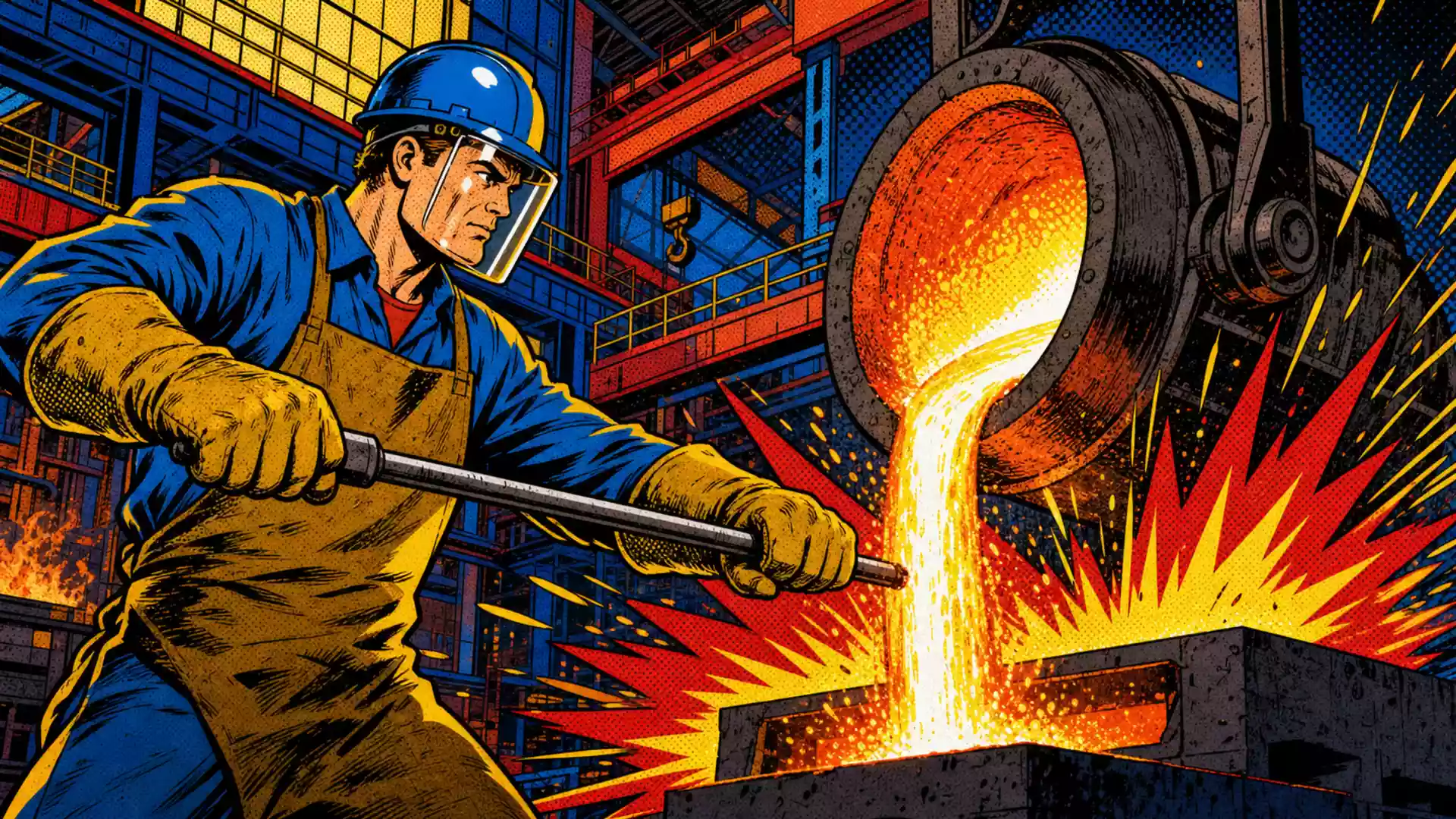
Start with the picket lines, because they are the easier to misread. IG Metall called out workers at thyssenkrupp Rasselstein in Andernach yesterday, with 400 employees from several operations briefly downing tools, according to union figures — a number that does not refer to Rasselstein alone. Separately, around 160 early-shift staff at Thyssenkrupp Presta Schönebeck walked out for four hours, the Volksstimme reported, in connection with the wage round in the metal and electrical industry. Both actions are time-limited, site-specific events. Neither amounts to a group-wide production stoppage, and neither supports a firm estimate of financial damage. They belong to the debate over working conditions; the strategic headlines belong to the debate over the group's future shape. Running the two together into a single cause-and-effect story would be a mistake.
The spinoff arithmetic investors keep tripping over
The structural story is where the real substance lies. Thyssenkrupp completed the separation of tk accelis a good week ago and still holds 51% of the carved-out company, which means the new listing's performance remains relevant to shareholders. The sharp markdown on its first day of trading, as Tagesschau noted, was tied to the spinoff and separate listing themselves: holders received one tk accelis share for every 20 Thyssenkrupp shares. That is a technical adjustment, not evidence of deteriorating operations, and it should not be read as a verdict on the business.
On steel, CEO Miguel López said on 28 October, according to Reuters, that the division is being prepared as the next possible spin-off, with a sale off the table for now after attempts at partnering with third parties came to nothing. That is a prepared option, not a completed step — the direction of travel rather than the destination.
Should investors sell immediately? Or is it worth buying Thyssenkrupp?
Two buy calls, two lower marks
Analysts have been adjusting their models to the new corporate shape without changing their minds on the stock. Deutsche Bank Research cut its price target to EUR 17 from EUR 18 on Thursday, keeping its "Buy" rating; analyst Bastian Synagowitz was aligning his valuation model with the completed spinoff. DZ Bank lowered its fair value to EUR 15 from EUR 16 the same day, also retaining a "Kaufen" verdict. Both houses pulled back their valuation marks while leaving their positive recommendations in place — a softer target is not the same thing as a downgrade driven by weaker prospects.
Hydrogen: a permit in hand, a tender still open
On decarbonisation, the amended funding decision for the tkH2Steel project is now legally binding. The revised conditions, per the company, reflect changed economic circumstances and allow a gradual, more flexible ramp-up of the hydrogen share. Thyssenkrupp Steel is preparing a fresh hydrogen tender, and whether that process produces terms under which the planned ramp-up can carry itself economically is the question that matters. A tender in preparation is not proof of a workable outcome.
Financing along the hydrogen value chain remains the hard part. A measures paper from the European Resilience Alliance for Clean Hydrogen & Derivatives dated 27 October sets out what the alliance wants: two-sided hydrogen auctions, contracts for difference for mid-chain providers, and a spreading of transport infrastructure costs over time. These are asks, not agreed support — so the economics of procuring and using hydrogen stay central to the Thyssenkrupp case.
Thyssenkrupp at a turning point? This analysis reveals what investors need to know now.
What London and 8 December must deliver
Today's investor relations roadshow in London gives management a fresh forum, but the fixed checkpoint is 8 December, when Thyssenkrupp has scheduled publication of its 2025/2026 annual report alongside an annual press conference and an analyst and investor conference. That report is where structural progress gets measured against actual business performance — the only test that will show whether the overhaul amounts to more than completed transactions and improved framework conditions. The flexible project terms keep the optimistic scenario plausible; should the economics of the hydrogen ramp-up come under pressure, a binding funding notice on its own will not carry the investment case.
Ad
Thyssenkrupp Stock: New Analysis - 4 November
Fresh Thyssenkrupp information released. What's the impact for investors? Our latest independent report examines recent figures and market trends.