UK Fire Services Stretched as Record Dry Spell Fuels Surge in Blazes
Published on 08/04/2026 at 15:47 | Redaktion boerse-global.de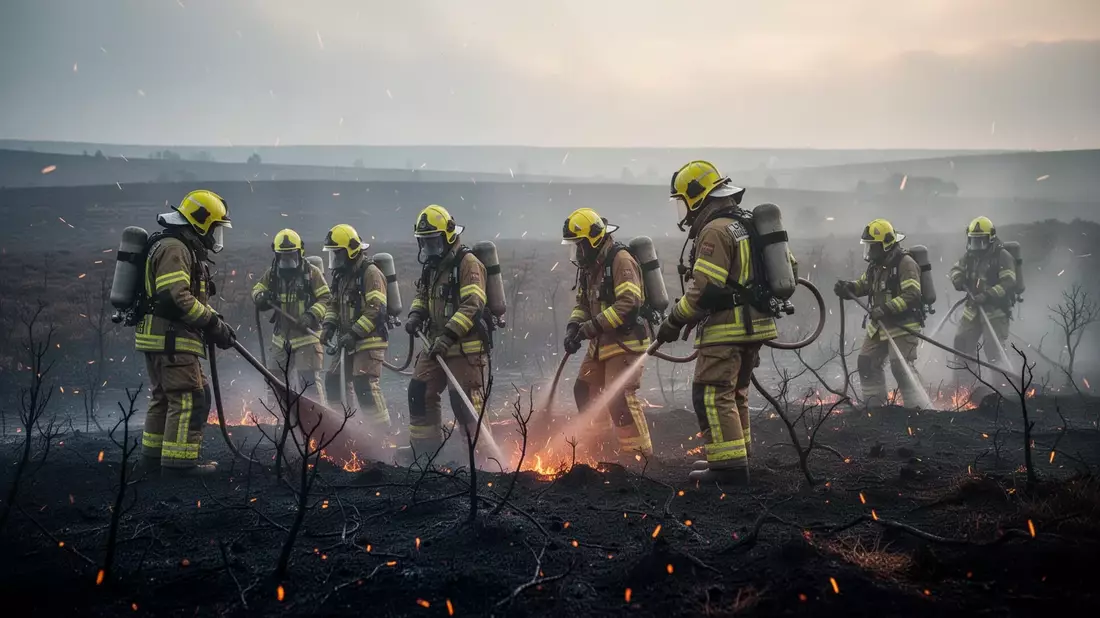
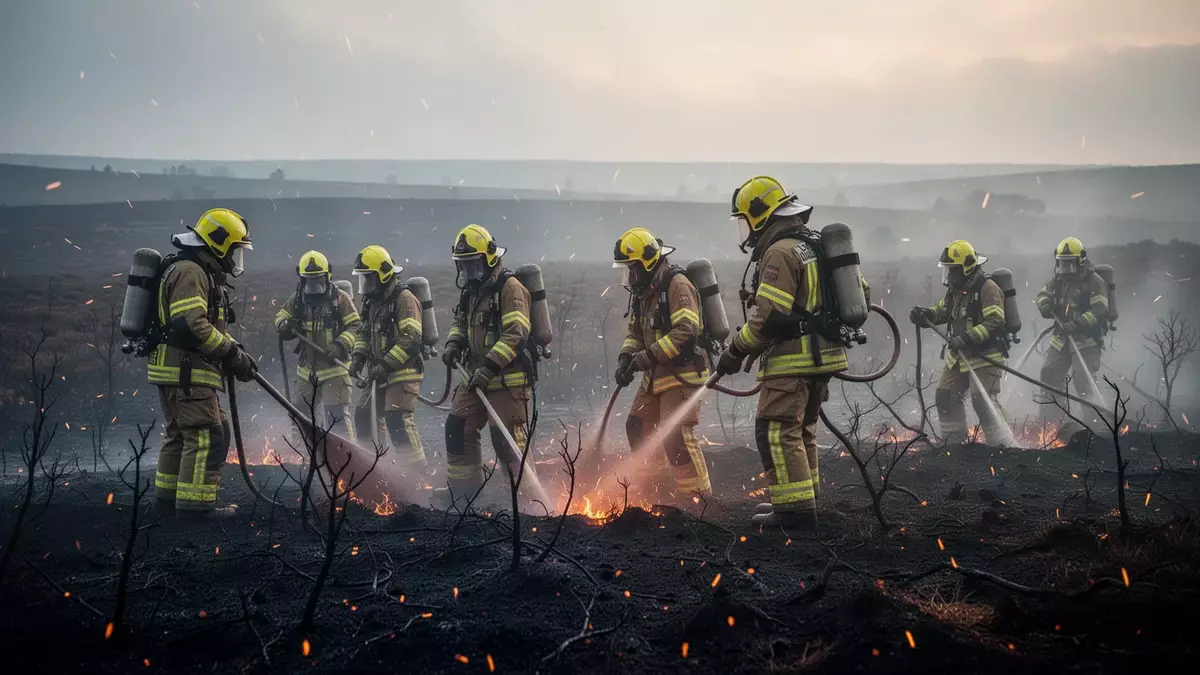
Emergency services across the UK are battling a wave of outdoor and residential fires following the driest July on record for England and Wales. While several major incidents have been stood down in Northern England, fire brigades in other regions continue to tackle significant wildfires and structural fires linked to the prolonged dry spell — a situation that carries clear warnings for employers and landowners managing outdoor spaces.
Major Incidents Eased in Northern England
On August 4, 2026, emergency services confirmed that wildfires across Greater Manchester moorlands were no longer classified as a major incident. The fires, which first broke out in areas including Dove Stone and Saddleworth on July 11 and 14, had eventually merged. Although the major incident status was lifted, firefighters remained on-site to address fire activity continuing beneath the surface.
Derbyshire Fire and Rescue similarly stood down a major incident at Tintwistle Moor on the afternoon of August 3. That blaze, which began on June 24 and prompted a major incident declaration on July 12, affected approximately 606 hectares.
South Wales Blaze Still Active
In South Wales, a major incident remains in force for a wildfire in the Rhondda that began on the afternoon of August 1. The fire has impacted roughly 150 hectares of forestry and common land. South Wales Fire and Rescue deployed 20 fire engines, drone support, and specialist wildfire teams to the scene, while a rest centre was set up for residents in the Blaenllechau and Ferndale areas.
Residential Fires Linked to Outdoor Activity
Dry conditions have worsened the spread of fires in residential areas. In Crawley, West Sussex, a fire on the afternoon of August 3 involved 10 properties at Ash Keys. West Sussex Fire & Rescue reported that four of these homes sustained serious damage. The blaze is believed to have been started by a barbecue, occurring while the Fire Severity Index for the region was ranked as very high.
In Southampton, a bonfire on Jessamine Road spread to two sheds and several gardens on August 3. Hampshire & Isle of Wight Fire & Rescue Service confirmed the fire caused damage to a conservatory, guttering, and fascias.
Other notable incidents earlier this week included a gorse fire on the North Cliffs near Portreath, Cornwall, which began on August 3 and required crews to use hose reels and beaters into the early hours of August 4. In Nottinghamshire, nine fire engines attended a four-hectare field fire in Warsop on August 3.
Resources Strained and Funding Demands Grow
The frequency of incidents has prompted warnings about the exhaustion of fire service resources. South Yorkshire Fire and Rescue reported responding to at least 10 grassfires in the week leading up to August 4, with seven occurring over a single weekend. Station manager Dan Nortcliffe said these avoidable blazes represent a significant drain on resources and have led to fatigue among crews.
Nottinghamshire Fire Service noted a sharp increase in deliberate outdoor fires, recording 61 such incidents between July 20 and July 26, compared with 27 during the same period the previous year.
Amid these operational pressures, the Suffolk Fire Brigades Union has called for increased investment. On August 4, union secretary Richard Beeby sent an open letter to Prime Minister Andy Burnham highlighting a funding gap. According to the union, Suffolk receives £23.62 per person annually for fire services — below the national average of £30.80. The union is advocating for additional off-road vehicles and specialist wildfire equipment.
Record Dry Spell Underpins Fire Risk
Environmental data underscores the severity of the current fire season. July 2026 was the driest on record for England and Wales, with only 6.5mm of rain recorded — just 10% of the average. Southern England received only 1.9mm during the month, while UKHSA amber heat alerts remain in effect.