UK Wildfires: Emergency Warnings as Drought and Blazes Threaten Rare Habitats
Published on 07/31/2026 at 09:47 | Redaktion boerse-global.de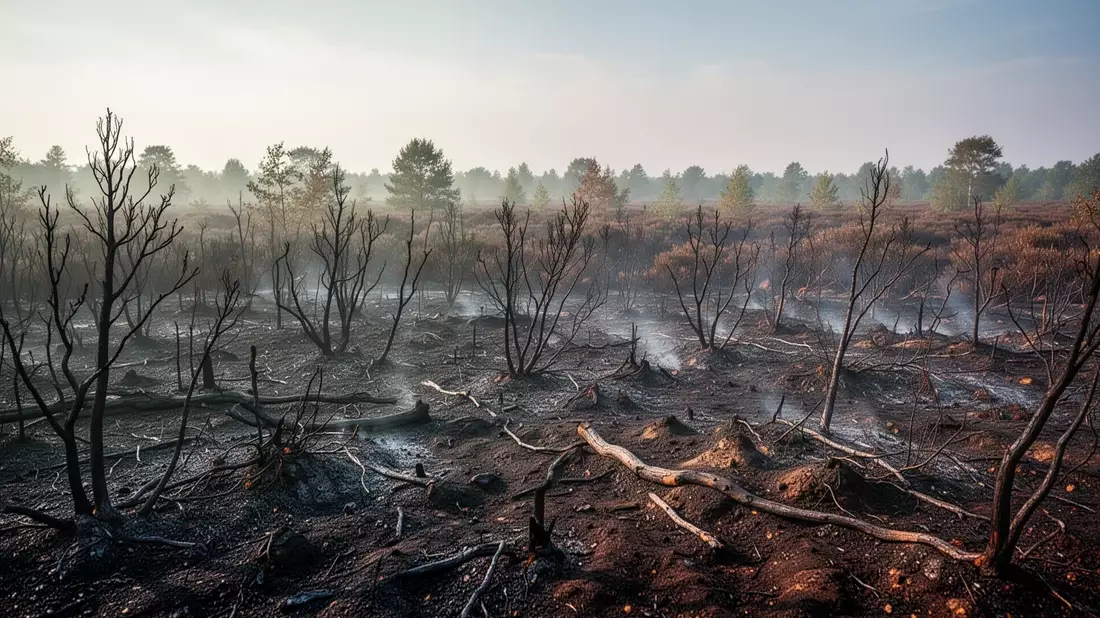
Fire services and conservation groups across the UK and Ireland have issued urgent public warnings after a series of major wildfires destroyed rare habitats and forced mass evacuations. With around half of England in drought conditions and the fire severity index at critical levels, authorities are urging extreme caution with campfires, barbecues, and smoking materials.
Major Incident Declared at Dunwich Heath
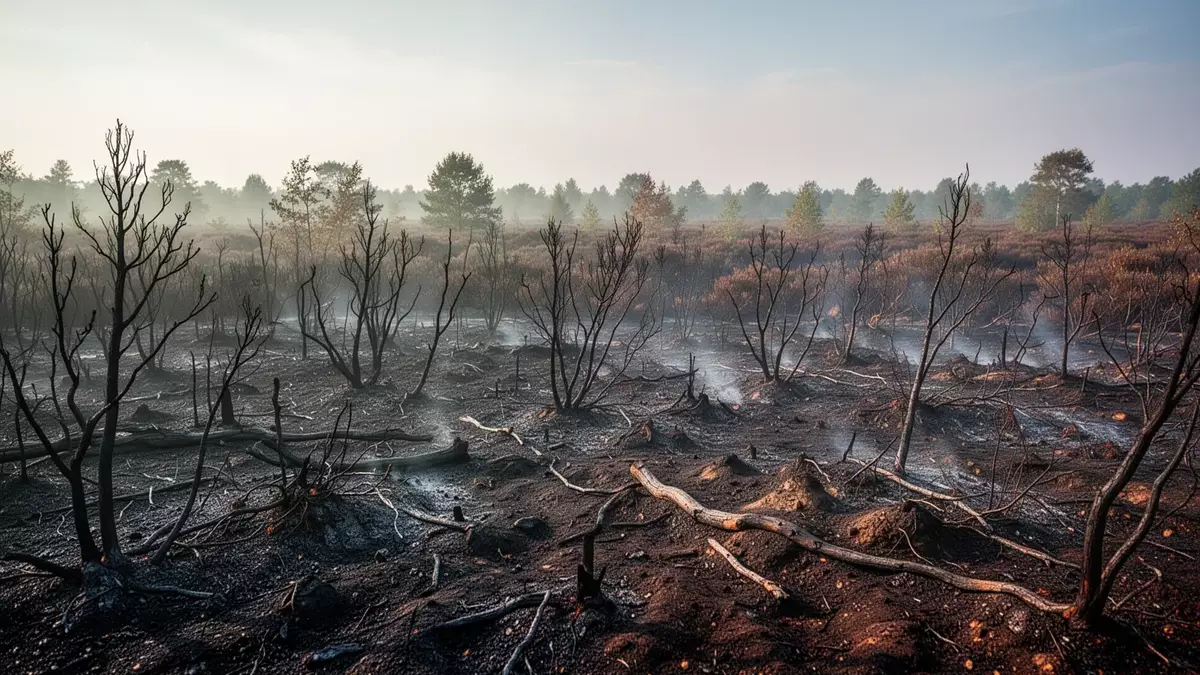
Emergency services in Suffolk continue to battle a massive wildfire that broke out at Dunwich Heath on Wednesday evening. The blaze, which started around 5:30 p.m., quickly spread across 150 hectares—roughly the size of 210 football pitches. Suffolk Fire and Rescue Service declared a major incident as fast-moving flames forced the evacuation of 200 properties, including caravans from Cliff House Holiday Park.
More than 120 firefighters and 18 fire engines were deployed, supported by a helicopter dropping seawater to contain the spread. While the fire reached the RSPB Minsmere nature reserve, officials confirmed the nearby Sizewell B nuclear power station remained at low risk. Chief fire officer Jon Lacey described the event as one of the largest in the county's history. The Prime Minister has pledged resources to support the response, while political leaders have called for emergency government meetings to address the escalating crisis.
Rare Habitats Destroyed on the Isle of Wight
On the Isle of Wight, a significant fire at Headon Warren destroyed nine hectares of rare maritime heathland and limestone grassland. National Trust officials reported the blaze, which broke out on July 23, was almost certainly caused by a campfire after remains were discovered at the site.
The fire burned for nearly five days before being fully extinguished on Monday. The response required up to 80 firefighters and a helicopter to protect the nationally important habitat. Rangers noted the fire killed various wildlife, including reptiles, small mammals, and amphibians, while destroying the nesting grounds of Dartford warblers and nightjars. Experts estimate the local ecosystem will require three to four years to recover. This incident marks the 13th large fire on the Isle of Wight this year, surpassing the total recorded for all of 2025.
Drought Conditions Heighten Regional Risks
The surge in wildfire activity coincides with extreme dry weather. On Thursday, Wales officially declared a state of drought, following a July in which some areas, such as Suffolk, received only 2% of their average monthly rainfall.
In Pembrokeshire, rangers at the Preseli Hills narrowly avoided a major disaster after discovering a fire at a rocky outcrop near the Ty Canol ancient woodland. The fire, which originated from a campfire, had begun to spread into the peat. Although fire crews initially extinguished the flames, the ground was so dry that the fire reignited before being fully suppressed. Similar incidents were reported on Tuesday in Essex, where illegal campfires caused damage at the Bobbingworth and Chigwell Row Wood nature reserves.
Authorities Tighten Restrictions on Open Flames
In response to the "very high" Fire Severity Index, local authorities are taking preventative measures. In Ireland, Laois County Council has begun removing barbecue stones from picnic areas in the Slieve Bloom Mountains to discourage the use of open flames. The National Parks and Wildlife Service has issued a nationwide notice as fires continue to burn in the mountains of Tipperary, Waterford, and Wicklow.
In Yorkshire, fire crews recently confiscated fire-lighting materials from a wooded area in Goathland just one day after launching a public awareness campaign. Fire services across West Sussex and Hampshire are urging the public to avoid disposable barbecues, ensure smoking materials are fully extinguished, and report any signs of fire immediately. Conservationists emphasize that even small heat sources are currently capable of causing significant ecological and property damage due to the prolonged lack of rainfall.
Disclaimer regarding our articles: No investment advice, no buy or sell recommendation. Information on prices, companies, and markets is provided without guarantee; changes are possible at any time. Stock market transactions can lead to substantial losses. Our articles are created and reviewed in whole or in part automatically with the support of AI.