Vulcan Energy: A 64-Litre Test, a Batch of Adsorbent, and Two Stake Filings That Don't Mean What They Seem
Published on 10/23/2026 at 05:11 | Editorial boerse-global.de
Two very different clocks are ticking at Vulcan Energy. Ownership disclosures redraw the shareholder register overnight; industrial milestones only acquire economic weight over years. Keeping those timelines apart is the whole analytical task here — and it is a distinction both a fresh round of German regulatory filings and a pair of project updates make easy to blur.
What a voting-rights notice can and cannot tell you
JPMorgan Chase & Co. and affiliated entities reported crossing the threshold to a substantial holding, disclosing 5.38% of voting rights. The mandatory notice also contains interests arising from securities lending arrangements. That single detail matters: the filing cannot be read as a straightforward open-market purchase of that stake.
The same caution applies to the Citigroup disclosure, which showed its voting rights rising from 8.1917% to 9.6615%, with the notice citing securities lending and market transactions. Extrapolating from either document that a major institution has made an active bet on Vulcan's commercial success would be a stretch too far.
None of this is a negative verdict on the banks or on Vulcan. It is a question of what the filings actually prove. They are relevant to the ownership structure. For fundamental valuation, absent further explanation, they deliver rather less than the prominent names initially suggest.
Should investors sell immediately? Or is it worth buying Vulcan Energy?
Where the real evidence sits
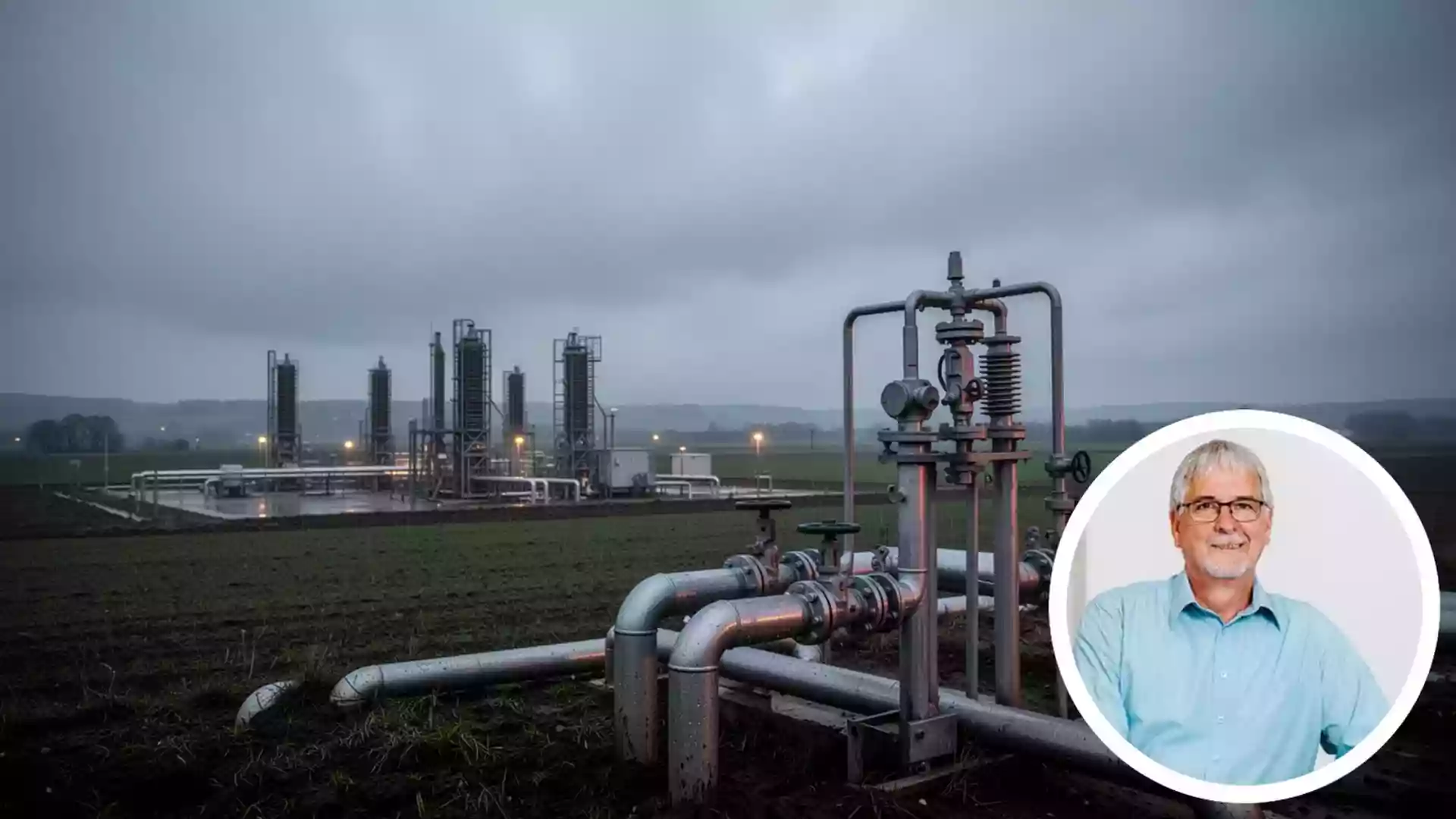
Far more telling, in my view, was last week's reinjection test. For the seventh Lionheart well, LSC-3a, Vulcan reported successful reinjection of lithium-poor brine into the sandstone formation. Estimated injection capacity under planned operating conditions came in at roughly 64 standard litres per second, against the approximately 40 standard litres per second assumed in the development plan for the project's injection wells.
The company framed the result as support for its base case and a possible springboard for further optimisation. That wording deserves attention: the test reinforces one building block of the development plan, it does not substitute for executing it. The finding is also slated to feed into planning for the LSC-4 and LSC-5 wells — which is where the practical value lies. Whether additional efficiency actually materialises remains to be demonstrated.
A batch of adsorbent, and a date in 2028
Monday brought word that commercial production of Vulcan's own lithium adsorbent, VULSORB, has begun in Germany. The first production campaign is intended to supply the extraction columns at Lionheart, with commissioning scheduled for the second half of 2028.
That makes the industrial logic tangible: reinjection and extraction material belong to different parts of the same undertaking. Their progress matters because individual components are meant to become a working operation. The announced timeframe also makes plain that preparation and commissioning remain separate stages. The start of adsorbent output is a preparatory step; bringing the project online is still a planned event. Neither should be conflated with the other, nor played off against it.
Reading the two clocks together
So which should carry more weight for investors — a marquee name on the shareholder register or a solid step toward operations? Both belong in the picture, but not on the same valuation plane. The operational news offers evidence on how Lionheart is developing. The stake disclosures justify no extra euphoria. None of these statements needs to be inflated beyond its actual size.
The more persuasive case for Vulcan does not emerge from simply adding up positive announcements. It comes from asking which part of the project each announcement genuinely advances. Capital presence generates attention. For the industrial story, what counts are the next verifiable implementation steps — and on that measure, a well that beat its blueprint and a first adsorbent campaign carry more signal than a lending-backed line in a regulatory filing.
Ad
Vulcan Energy Stock: New Analysis - 23 October
Fresh Vulcan Energy information released. What's the impact for investors? Our latest independent report examines recent figures and market trends.