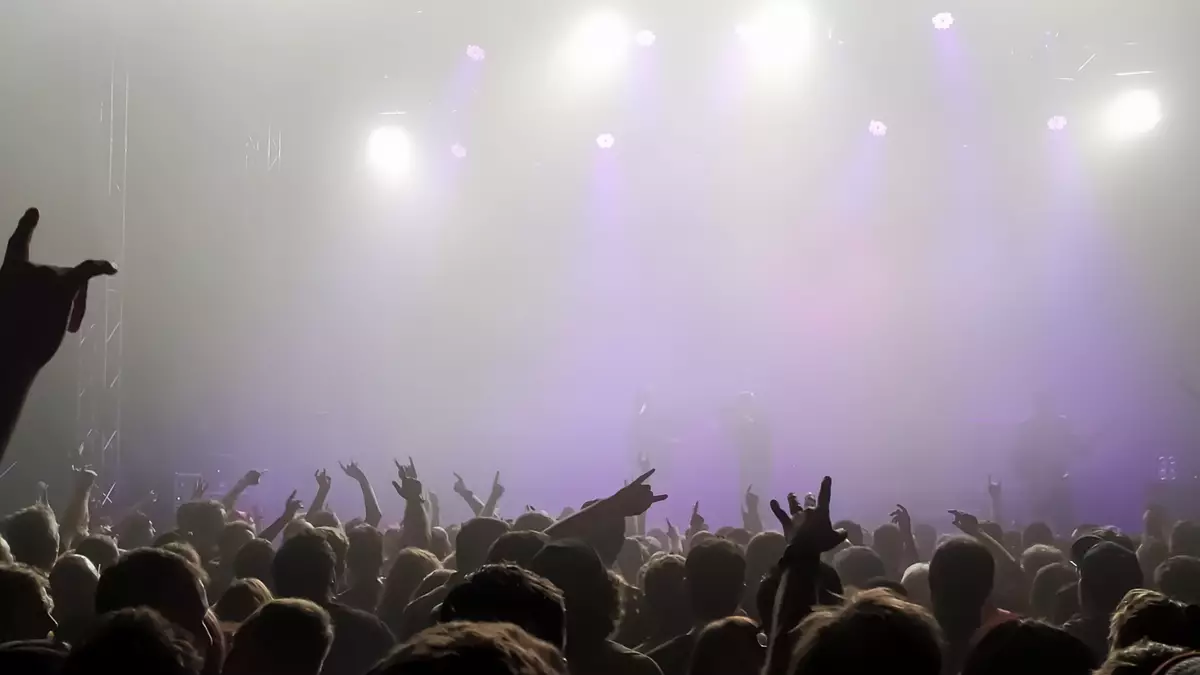
Coldplay extend massive US tour as new era gathers pace
08.06.2026 - 16:44:28 | ad-hoc-news.de
Coldplay are pushing their stadium reign even further into 2026, quietly turning what began as a global comeback run into one of the defining arena and stadium stories of the decade for US fans. With fresh American dates added to their long-running Music of the Spheres World Tour and the band signaling a new creative chapter on the horizon, the British quartet’s stateside footprint is widening just as the touring landscape resets around blockbuster live experiences.
Why Coldplay are back in US headlines now
Coldplay’s touring machine has barely slowed since they launched the Music of the Spheres World Tour in 2022, but new US dates and ongoing demand have pushed the trek into a fresh phase that keeps the band firmly in the American spotlight. According to Billboard, the tour has already grossed hundreds of millions of dollars worldwide and ranks among the top global tours of the decade to date, driven by repeat stadium sell-outs and premium production values. Per Variety, the band’s combination of LED wristbands, ambitious staging, and sustainability initiatives has turned the show into a destination event for casual listeners and die-hard fans alike.
As of June 8, 2026, Coldplay’s official materials show additional North American stops being rolled into the Music of the Spheres itinerary, continuing a run that has already included multiple stadium nights in major US markets like Los Angeles, New York, and Chicago. For Google Discover readers in the US, the news is clear: if you missed the first waves of tickets, the odds of catching the band’s full-scale spectacle on American soil in 2026 are better than they were even a year ago.
The expanded routing also underlines a broader shift in how major rock and pop acts are approaching the US market post-pandemic. Rather than quick-hit North American runs, bands of Coldplay’s stature are stretching single tour cycles across several years, using fresh dates and festival appearances to keep momentum alive. In Coldplay’s case, the extended timeline intersects with talk of a coming “new era” for the band, making every new on-sale another marker in a career that has already spanned more than two decades.
How the Music of the Spheres World Tour became a US juggernaut
Coldplay’s current tour arrived at a moment when live music demand in the US was rebounding sharply, and the band seized that opening with a show built for the biggest possible canvas. According to Rolling Stone, the production’s mix of laser-heavy visuals, synchronized wristbands, and sing-along choruses has made their stadium nights feel like hybrid pop concerts and immersive light shows, bridging the gap between rock traditionalists and younger pop audiences. NPR Music has pointed out that the band’s willingness to lean into unabashedly emotional hooks has turned songs like “Fix You,” “Yellow,” and “Viva La Vida” into cross-generational anthems that land especially hard in a live setting.
The US leg of the tour has tapped into that emotional continuity while presenting Coldplay as a thoroughly modern stadium act rather than a nostalgia play. As of June 8, 2026, the tour’s North American routing has touched many of the country’s most iconic venues: SoFi Stadium in the Los Angeles area, MetLife Stadium serving the New York–New Jersey corridor, Soldier Field in Chicago, and other NFL-sized sites that have become essential stops for high-demand tours. In some markets, Coldplay have added second or even third nights to meet demand, a move that aligns them with contemporary touring strategies used by artists like Taylor Swift and Beyoncé, who have also leaned on multi-night stadium stands to maximize both revenue and impact.
The evolution of the show itself has also kept US audiences engaged over the multiple-year run. Set lists have shifted to balance new Music of the Spheres material with deep cuts and rearranged versions of older songs, giving repeat attendees something fresh while still delivering the big sing-along moments most fans expect. Per Variety’s reporting, the band has experimented with acoustic mini-sets and B-stage moments that bring them closer to fans in the upper decks, reinforcing their image as approachable stars despite the show’s massive scale.
Another factor behind the tour’s staying power is Coldplay’s emphasis on environmental messaging and reduced-impact touring. According to Billboard, the band has implemented measures like kinetic dance floors, low-emission transportation strategies, and tree-planting efforts tied to ticket sales, positioning the tour as a “green” stadium experience that resonates with younger American audiences for whom climate concerns are front of mind. That model has sparked conversations in the US touring industry about how sustainable practices can be scaled across major events, particularly those produced by industry giants like Live Nation and AEG Presents.
What Coldplay’s new US dates mean for American fans
For US fans who spent the early 2000s watching Coldplay move from theaters to arenas, the band’s current stadium dominance provides a sense of long-arc payoff. The latest round of dates means more chances to see that story in person, and it also affects how tours are routed across the American live landscape. As of June 8, 2026, ticketing data tracked by outlets like Pollstar suggests that Coldplay’s additional US shows are landing in a mix of traditional music hubs and fast-growing secondary markets, reflecting both demand and the logistics of a tour of this size.
On a practical level, the extension gives US concertgoers more calendar flexibility. Fans in cities that previously required a road trip—such as those in the Mountain West or parts of the Midwest—may now find dates closer to home, reducing travel costs at a moment when inflation and airfare remain concerns for many households. In cities where Coldplay are returning for additional nights or new stadiums altogether, the added supply could relieve some initial ticket pressure, although history suggests that demand for their US shows will remain intense.
The band’s deep catalog is a major draw in its own right. Across the US, radio staples like “Clocks,” “The Scientist,” “Speed of Sound,” and “Adventure of a Lifetime” have helped Coldplay maintain a consistent presence on rock and pop playlists, bridging formats from Hot AC to alternative and adult contemporary. That multi-format appeal continues to pay off at the box office, particularly for multi-generational groups: parents who first encountered the band in the Parachutes or A Rush of Blood to the Head eras are now bringing teenagers raised on streaming-era hits like “Something Just Like This” and “My Universe.”
Coldplay’s creative reinventions—shifting from ambient rock textures to synth-driven pop and collaborations with artists across genres—make their US shows feel less like retro celebrations and more like snapshots of an evolving project. According to Rolling Stone, this chameleonic quality has helped them avoid the identity crisis that has challenged some of their early-2000s peers, keeping their relevance intact in a streaming-dominated era. In the context of an extended US tour, that translates into a live experience that flows seamlessly across their discography rather than relying solely on early-career nostalgia.
Where Coldplay fit into the current US stadium boom
Coldplay’s expanded US touring plans arrive in the middle of a stadium boom that has reshaped both rock and pop touring economics. In recent years, US concerts by Taylor Swift, Beyoncé, Bad Bunny, and Harry Styles have underscored how a small group of global acts can anchor entire touring seasons for promoters like Live Nation Entertainment and AEG Presents. Coldplay’s ability to sustain multi-year stadium routing places them squarely in that cohort, even as their sound and branding feel more understated than some of their peers.
Per Billboard’s box office data, Music of the Spheres has ranked among the top-grossing tours each year since its launch, with particularly strong numbers in North America. Those results reflect not only ticket prices but also the success of VIP packages, merch sales, and premium seating experiences that have become core revenue streams in US stadium touring. For promoters and venues, a band that can reliably fill NFL and MLB park capacities over several nights offers a valuable counterweight to increasingly competitive booking calendars.
From the fan perspective, the stadium boom has sparked debates about ticket affordability and dynamic pricing, and Coldplay’s tour has not been immune to those pressures. While face-value prices for some seats remain within the range of previous arena tours, premium tiers and secondary-market markups can push the total cost of a night out into the hundreds of dollars per person. US outlets like The New York Times and The Washington Post have highlighted how this reality is reshaping the live music experience for middle-class fans, forcing hard choices about which marquee tours to prioritize each year. In that environment, Coldplay’s extended routing may allow more fans to secure seats at face value as additional inventory comes online.
The band’s sustainability messaging also differentiates their US stadium presence. As the environmental impact of large-scale touring has become a talking point in American culture, Coldplay’s efforts to reduce emissions and encourage fans to travel by public transportation—where available—have made the tour a reference point in debates over the live industry’s carbon footprint. According to Variety, the group has partnered with environmental organizations and renewable energy providers to help audit and improve their practices, setting benchmarks that other touring acts are watching closely.
What to know before trying to see Coldplay in the US
For US fans thinking about catching Coldplay on this extended run, a few practical considerations stand out. As of June 8, 2026, ticket availability and pricing vary widely by city and date, with some shows effectively sold out at primary vendors while others still offer a mix of upper-level seating and on-the-floor options. Given the band’s track record in major markets, it is reasonable to expect that any newly announced US shows will move quickly once they go on sale, especially in regions that have not hosted the band since early in the tour.
One advantage of the multi-year rollout is the wealth of fan reports and professional reviews already available online. US readers can browse social media recaps, YouTube clips, and coverage from outlets like Rolling Stone and NPR Music to get a sense of how the set list flows, what sightlines look like from different sections, and how long the show typically runs. That information can help fans weigh the trade-offs between, say, a higher-priced lower-bowl seat versus a more distant but cheaper upper-deck view, or between a standing GA floor ticket and a reserved stadium seat.
Coldplay’s concert days tend to be long experiences rather than quick in-and-out events. With large stadiums often located outside city centers, US attendees should factor in travel time, parking logistics, and security lines. For some stops, local transit authorities and stadium operators have coordinated special train and bus service to coincide with show times, while in others, rideshare and personal vehicles remain the primary access methods. As the tour continues, fans can expect venues like SoFi Stadium, MetLife Stadium, and Soldier Field to refine their traffic and crowd-management plans based on past Coldplay nights and other major events.
Fans looking for deeper context on the band’s movements, new music hints, and future touring plans can find more Coldplay coverage on AD HOC NEWS at the following internal search link: more Coldplay coverage on AD HOC NEWS. For the latest official routing and on-sale details, US readers should consult Coldplay's official website, which remains the primary source of real-time updates.
What comes after Music of the Spheres for Coldplay
Even as they lean into one of the longest tours of their career, Coldplay are signaling a new era on the horizon. The band has previously suggested that their traditional album cycle might wind down after a certain number of records, a comment that sparked speculation in US and UK media about whether they would transition to singles, collaborations, or other release models in the future. According to interviews cited by outlets such as The Guardian and Vulture, the group has expressed both a desire to keep evolving musically and an awareness of the limits of the classic album-tour cycle.
For American fans, the timing of new music is closely tied to touring cycles. If Coldplay continue to extend the Music of the Spheres era into 2026 and beyond, any subsequent album or project is likely to intersect with US touring in some way, whether through new set list additions, revamped staging, or even a rebranded world tour. In practical terms, that means some US audiences may see Coldplay both closing one chapter and opening another in the same run of shows, as new songs are road-tested alongside catalog staples.
The band’s recent collaborations underscore their strategic approach to staying visible in a crowded US market. By working with artists who dominate contemporary streaming playlists, Coldplay have positioned themselves as reliable partners for cross-genre hits that can introduce them to younger listeners who may not have grown up with their early-2000s albums. Per Billboard, such collaborations have helped the band maintain a presence on US charts and Spotify’s key playlists between album cycles. As a result, any new project that emerges after Music of the Spheres is likely to be built with both streaming and stadium performance in mind.
That dual focus aligns with broader industry trends. US labels and managers increasingly expect major acts to think about how songs will function on TikTok, in playlists, and in live environments simultaneously. For a band like Coldplay, whose biggest hits were originally written in a pre-streaming era, that means reshaping their creative process without losing the melodic DNA that made them a global act in the first place. So far, American audiences have rewarded those experiments with continued attendance and listening, suggesting that the band’s “new era” messaging will find a receptive audience whenever it fully materializes.
FAQ: Coldplay’s extended US tour and what it means
Are Coldplay still touring the United States in 2026?
Yes. As of June 8, 2026, Coldplay remain actively on the road with extended Music of the Spheres World Tour routing that includes new and returning US dates. According to Billboard and Variety, the tour has evolved into a multi-year global run, with fresh North American shows helping sustain its momentum. US fans who missed earlier legs have additional chances to see the band, though availability varies by city.
How big are Coldplay’s current US shows?
Coldplay are primarily playing stadiums and very large outdoor venues in the United States, often with capacities exceeding 50,000 people. Per Rolling Stone, the scale of the production—incorporating LED wristbands, extensive video screens, fireworks, and other effects—requires venues like NFL stadiums and similarly sized facilities. That positioning places them among the relatively small group of rock and pop acts currently capable of mounting multi-night US stadium residencies.
How hard is it to get Coldplay tickets in the US?
Difficulty varies by market and date. As of June 8, 2026, many US shows have limited primary-ticket inventory, especially in the lower bowl and on the floor, while others still offer a range of options at different price points. Demand is generally highest in major coastal cities and historically strong Coldplay markets like Los Angeles, New York, and Chicago. Fans are encouraged to monitor both primary vendors and official fan communications for on-sale updates and potential release of additional ticket blocks.
What makes Coldplay’s US stadium shows different from other big tours?
Coldplay’s shows emphasize a combination of emotional sing-alongs, immersive wristband technology, and sustainability messaging. According to Variety and NPR Music, the band builds their set around songs that encourage mass crowd participation, while also highlighting environmental initiatives and encouraging fans to take part in energy-generating activities at the venue. That balance of spectacle and cause-driven communication sets them apart in a US stadium field dominated by more theatrical or choreography-heavy pop productions.
Will Coldplay release new music connected to the tour?
While Coldplay have not formally announced a full new studio album tied directly to the later stages of the Music of the Spheres World Tour, interviews and reporting by outlets such as The Guardian and Vulture indicate that the band is actively thinking about their next creative chapter. Historically, Coldplay have used tours to preview new material or test alternate arrangements, so US audiences attending shows in 2026 and beyond may hear songs or versions that hint at what comes next.
Is Coldplay’s current tour really environmentally friendly?
Coldplay’s tour is not impact-free, but it represents one of the more ambitious attempts by a major rock band to reduce the environmental footprint of large-scale shows. Per Billboard and Variety, measures include kinetic dance floors, solar installations, reusable wristbands, and emissions-reduction strategies for transport and production. Environmental experts quoted in US and UK media describe these initiatives as meaningful steps that nonetheless exist within the constraints of global touring, making the tour a high-profile test case rather than a perfect solution.
For US fans, the bottom line is straightforward: Coldplay’s extended run keeps one of the 21st century’s defining rock-pop hybrids on American stages at a moment when stadium shows are reshaping what live music looks and feels like. Whether you are reconnecting with songs that soundtracked the early 2000s or discovering the band for the first time under a canopy of LEDs and lasers, the latest wave of US dates represents both a continuation of a massive tour and a bridge into whatever Coldplay decide to do next.
By the AD HOC NEWS Music Desk » Rock and pop coverage — The AD HOC NEWS Music Desk, with AI-assisted research support, reports daily on albums, tours, charts, and scene developments across the United States and internationally.
Published: June 8, 2026 · Last reviewed: June 8, 2026
Share this article: Copy the link or share via your favorite social platforms to keep fellow fans up to date on Coldplay’s latest US tour news.
So schätzen die Börsenprofis Aktien ein!

Für. Immer. Kostenlos.