Junior Explorer's Ticking Clock: Quarterback Resources Plunges 67% Even as Gold Towers Near Record Highs
30.05.2026 - 17:27:00 | boerse-global.de
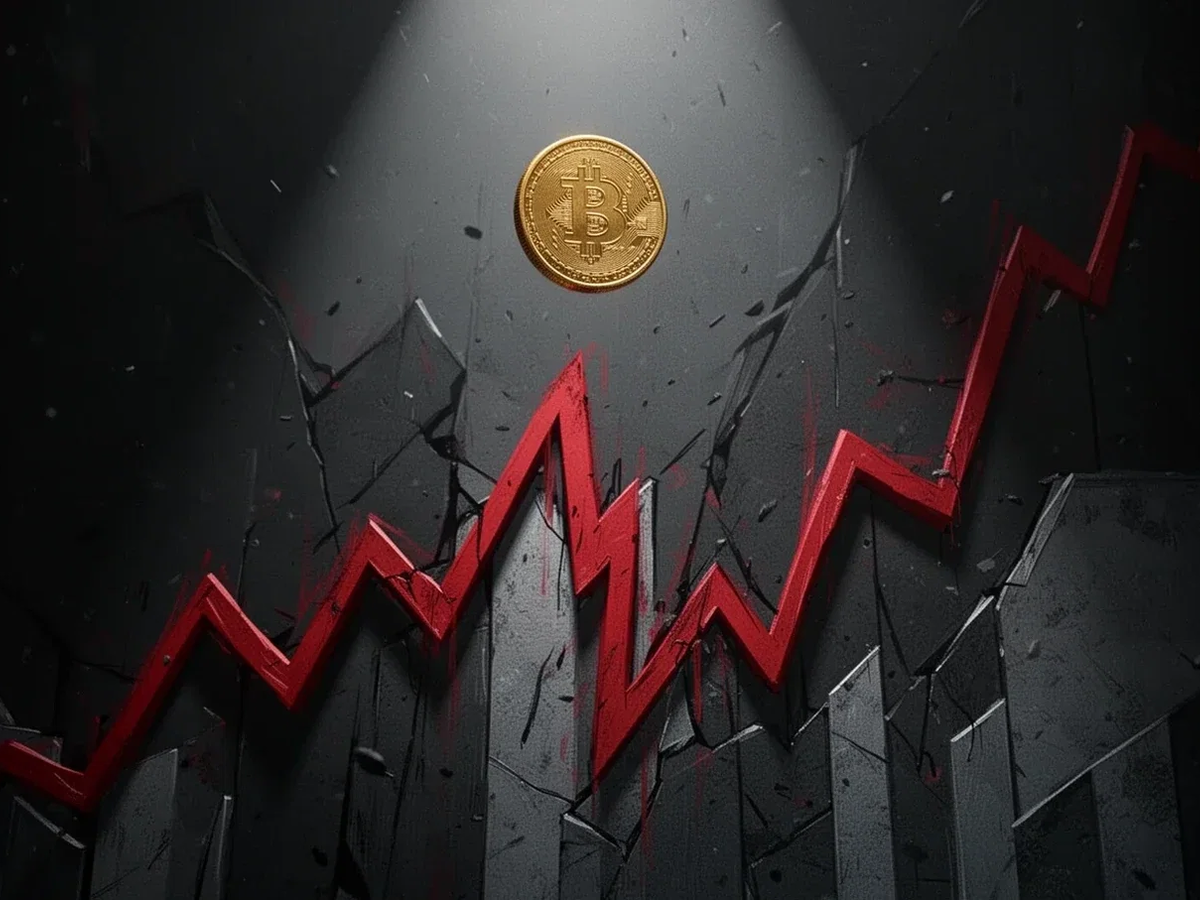
The disconnect between gold's stellar run and the performance of small-cap explorers has rarely been starker. While bullion trades within striking distance of all-time highs, shares of Quarterback Resources have lost two-thirds of their value since the start of the year — and more than 17% in the past week alone. The last trading session in Frankfurt erased nearly 10%, leaving the stock at €0.66, a shadow of its January 2026 peak of €3.46.
The Canadian gold explorer's market capitalization has shrunk to roughly C$9.84 million, placing it deep in micro-cap territory. Its balance sheet shows total assets of just C$0.55 million, though with no debt and an equity ratio above 93%, the company is not carrying financial liabilities. The brutal selloff comes despite a flagship project that historical drilling suggests could be substantial.
Quarterback holds an option to acquire 100% of the Twin Gold Project, located about 150 kilometres north-northwest of Fort St. James in British Columbia's Quesnel Trough — one of the province's most productive copper-gold belts. The property covers roughly 11,110 hectares across 16 mineral claims, burdened only by a 2% net smelter royalty. To exercise the option, the company must spend at least C$500,000 on exploration by November 2026 — the first hard checkpoint on a path that requires total expenditures of C$4.74 million by 2030.
Should investors sell immediately? Or is it worth buying Quarterback Resources?
Historical work on the project is extensive: 109 drill holes totalling nearly 22,000 metres have identified more than 15 mineralized zones across three styles: high-grade gold-quartz veins, alkalic gold mineralization, and alkalic copper-gold porphyry. A single sample from the Phase I program returned an eye-catching 1,220 grams of gold and 1,500 grams of silver per tonne, along with 5.05% lead and anomalous tellurium and bismuth values. Phase I results published in January 2026 confirmed new soil geochemical anomalies, validated historic core assays, and uncovered additional mineralization areas. Infill sampling completed in 2025 still awaits release.
The macro backdrop offers little immediate relief. Gold, which hit a record high near US$5,600 in January, was trading at roughly US$4,523 on 22 May — still nearly 40% above year-ago levels but about 18% off that peak. J.P. Morgan forecasts the metal could target US$5,000 by the fourth quarter of 2026, supported by central bank demand averaging 585 tonnes per quarter, plus growing interest from Chinese insurers, Indian pension funds, and digital-asset issuers. Yet the prospect of near-term rate cuts remains remote: the CME Group pegs the probability of a Fed cut in June at just 2.6%.
For Quarterback, the next major catalyst will come with its second-quarter report on 6 July 2026, which should provide the first update on summer field activity and how much of the C$500,000 milestone has been spent. Fresh drill results or a rig mobilisation before that date would send the strongest signal to a market that has so far shrugged off gold's rally, leaving the stock down roughly 81% from its 52-week high. The geology is promising — but the clock is ticking.
Ad
Quarterback Resources Stock: New Analysis - 30 May
Fresh Quarterback Resources information released. What's the impact for investors? Our latest independent report examines recent figures and market trends.
So schätzen die Börsenprofis Junior Aktien ein!

Für. Immer. Kostenlos.