Outside Work Groups Boost Disability Employment as Germany's Inclusion Gaps Persist
02.07.2026 - 06:25:10 | boerse-global.de
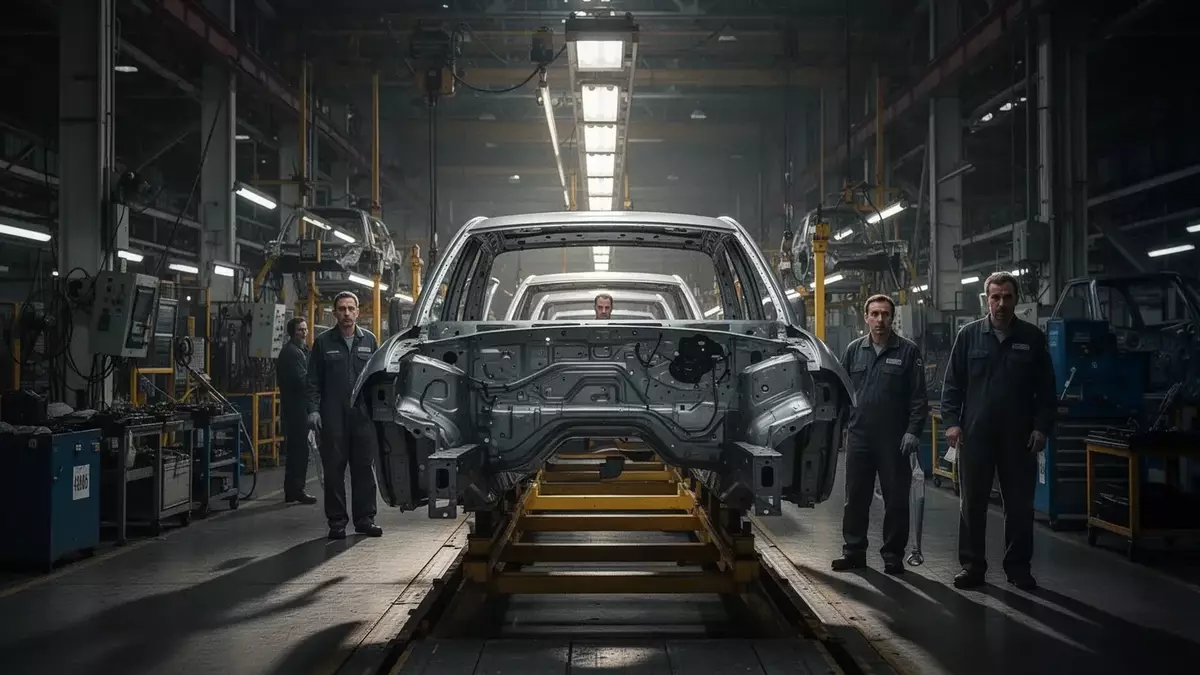
When the textile manufacturer HAKRO expanded its partnership with the Weckelweiler Communities in early March, the move doubled the capacity of an "outside work group" at its logistics center in Schrozberg. Up to 12 people per day who remain formally employed by a sheltered workshop (WfbM) now work directly within the company's industrial operations. The model is gaining traction beyond logistics — Körber Technologies in Hamburg-Bergedorf has used a tiered inclusion system since 2022, ranging from low-threshold DUOdays and internships to permanent, tariff-protected positions.
Such practical steps are urgently needed, according to a recent OmniQuest survey commissioned by Aktion Mensch and JDE Peet's: 85 percent of respondents said they want more inclusive meeting places. Contact between people with and without disabilities remains far too rare in everyday life.
Creating an inclusive workplace also means ensuring the health and safety of every employee. A comprehensive Health & Safety Toolkit provides ready-to-use risk assessments, checklists, and guidance to help you meet legal duties and protect your workforce. Get your free Health & Safety Toolkit
Yet the political framework for inclusion remains contentious. After a meeting of state premiers with Chancellor Merz on June 25, disability associations sharply criticized planned cutbacks. The BAG SELBSTHILFE warned of reductions in integration assistance — including so-called wish and choice services, school support, and mobility aid.
On July 1, a reform of basic welfare took effect: the Bürgergeld was renamed Grundsicherungsgeld. New asset allowances are staggered by age, ranging between €5,000 and €20,000. Against this backdrop, the General Disability Association (ABiD) is demanding a veto right for disability commissioners to safeguard the provisions of the UN Convention on the Rights of Persons with Disabilities.
Financial incentives are designed to make hiring easier for employers. Companies can receive subsidies for training allowances — generally 60 percent, rising to 80 percent for severely disabled trainees, and up to 100 percent in exceptional justified cases. If a trainee is then taken on permanently, an integration subsidy of up to 70 percent of the wage is available for one year. A recent ruling by the Berlin Social Court clarified that a machine operator with a degree of disability of 30 is entitled to equal status if his job is threatened by technological change or restructuring. That equal status brings special protection against dismissal and access to workplace equipment assistance.
While workforce inclusion advances, physical and digital accessibility remain a major weak spot. The Barrierefreiheitsstärkungsgesetz (BFSG) — Germany's Accessibility Strengthening Act — took effect on June 28, 2025, but implementation is lagging. Market analyses show that companies meet only 49 percent of the required criteria on average. Financial service providers and large corporations are considered frontrunners, while e-commerce and small to medium-sized enterprises have significant catching up to do. In Berlin, a state-level advisory office for accessibility, established in late 2025, now counsels public authorities and firms on appropriate measures for mobility and communication.