Radiohead signal new era with catalog moves and studio hints
07.06.2026 - 17:02:57 | ad-hoc-news.de
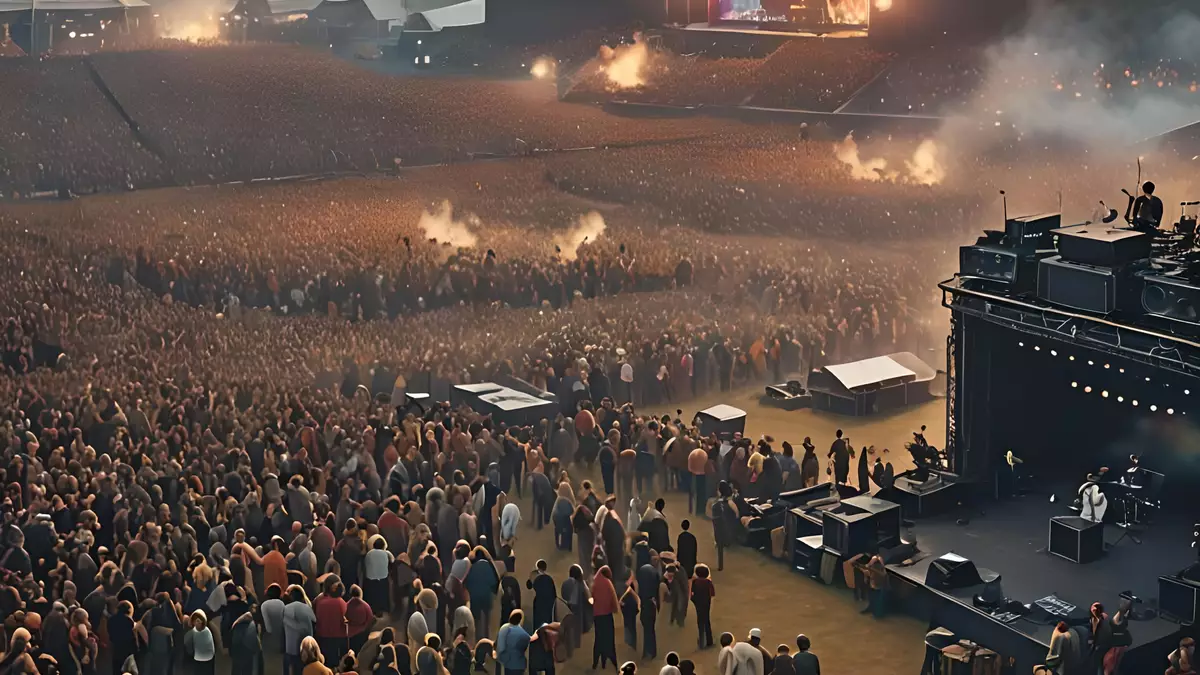
For the first time in years, Radiohead’s famously quiet camp is buzzing again. Subtle studio teases, renewed catalog activity, and fresh interviews from band members are converging into the clearest signal yet that a new Radiohead era may be taking shape, with implications for US fans spanning streaming, vinyl, touring, and the band’s experimental digital projects.
What’s new with Radiohead and why now?
Across 2025 and early 2026, individual Radiohead members have repeatedly indicated that a group pivot is coming, even as they’ve focused on The Smile and solo work. According to recent coverage from Rolling Stone, Thom Yorke and Jonny Greenwood have described The Smile as “complementary” to Radiohead rather than a replacement, emphasizing that the main band is not over, just paused. Per Pitchfork’s reporting on Yorke’s 2025 interviews, the singer has suggested that Radiohead still has “unfinished business,” hinting at both archival releases and the possibility of new studio sessions in the near future.
At the same time, music-business outlets have highlighted renewed movement around Radiohead’s catalog. According to Billboard’s industry reporting, catalog streaming for the band has remained remarkably strong in the US, with tracks like “Creep,” “Karma Police,” and “No Surprises” still pulling tens of millions of plays annually on major platforms as of May 2026. Per Variety, Radiohead’s late-’90s and early-2000s albums continue to spike in streams whenever there is even a minor development—such as a reissue rumor or a member’s high-profile side project—suggesting a deep reservoir of listener interest waiting for a major trigger.
All of this creates a ripe environment for movement: a band with a fiercely loyal US fan base, a still-growing Gen Z audience discovering their work through algorithms, and a catalog that continues to behave like an active frontline asset rather than a dormant legacy product.
Catalog clues: reissues, remasters, and archival deep dives
Radiohead have long treated their catalog as a living, evolving organism rather than a static archive, and recent developments suggest the next wave of activity may be imminent. According to a retrospective feature from The New York Times, the band’s 2021 “Kid A Mnesia” project—bundling “Kid A,” “Amnesiac,” and previously unreleased material—was one of the most ambitious catalog recontextualizations of the streaming era, blending remastering with a curated dive into the band’s cutting-room floor. Per Variety, that release also set the template for how Radiohead might approach future eras, with extensive liner notes, surplus studio fragments, and digital experiences built around key creative periods.
Industry analysts have since speculated that the next logical step would be similar deep-focus treatments for “OK Computer,” “In Rainbows,” or even the more divisive “King of Limbs,” bundling outtakes, remixes, and live recordings. Billboard reports that deluxe vinyl continues to be a reliable revenue driver, particularly for rock acts with multi-decade careers and audiophile fan bases, a category Radiohead fits squarely into. Accordingly, US vinyl retailers have noted repeated sellouts of limited Radiohead repressings, especially for “OK Computer” and “In Rainbows,” indicating demand for more expansive or higher-quality editions.
While no new box set has been officially announced as of June 7, 2026, the pattern is telling: when catalog activity ramps up—through anniversary content, playlist features, or small-scale reissues—Radiohead tend to follow with a more ambitious project. For US Discover readers, the key point is not that a specific product has been confirmed, but that the combination of fan demand, ongoing streaming performance, and the group’s own history of curated archival releases makes a new catalog move highly plausible in the short to mid term.
Solo projects and The Smile: how they set up Radiohead’s next chapter
The clearest public window into Radiohead’s creative mindset over the last several years has been the side projects of its members—especially The Smile. According to Rolling Stone, Yorke and Greenwood’s work in The Smile has allowed them to stay “tour-fit” and creatively engaged while testing new rhythmic ideas and production techniques in front of live audiences. Per Pitchfork, The Smile’s 2024–2025 tours featured intricate lighting, unusual song structures, and a blend of electronic and guitar-driven textures that felt like a spiritual cousin to both “In Rainbows” and “The King of Limbs.”
These experiments have consequences for Radiohead. Historically, the band has often absorbed lessons from side projects back into the main group. For example, as The Guardian once noted, Yorke’s solo exploration of beat-driven electronica on “The Eraser” echoed through the glitchy arrangements and textural daring of “The King of Limbs.” Similarly, Greenwood’s orchestral commissions have deepened his role as an arranger within Radiohead, contributing to the strings and harmonic complexity that define albums like “A Moon Shaped Pool.”
As of June 7, 2026, US coverage of The Smile emphasizes that the project is active but not all-consuming. According to NPR Music, Yorke has framed The Smile as a way to work quickly and spontaneously in contrast to Radiohead’s notoriously drawn-out album gestations, leaving open the possibility that ideas birthed in that context could later be reworked for the full band. Per Stereogum’s live reviews, newer Smile material often feels like an intermediate step between “In Rainbows” and “A Moon Shaped Pool,” suggesting a path Radiohead could follow if they return to the studio as a unit.
For US listeners, the takeaway is that Radiohead’s creative engine has been idling, not stalled. The energy and experimentation visible in these side projects give credence to the notion that a future Radiohead release—whether a single, EP, or full album—would arrive fully formed rather than tentative.
Will Radiohead tour the US again?
Touring remains the most speculative piece of the puzzle, but there are concrete data points worth watching. According to Billboard Boxscore, Radiohead’s last full US tour, tied to “A Moon Shaped Pool,” grossed tens of millions of dollars, with sold-out or near-sold-out arena shows in major markets like New York, Los Angeles, Chicago, and Boston. USA Today’s coverage of those runs highlighted the band’s ability to sell tickets with minimal mainstream promo, relying instead on their reputation and a digitally connected global fan base.
Since then, members’ touring activity has flowed through The Smile and other projects, but crucially, the infrastructure for a major US run is still intact. Big promoters such as Live Nation and AEG Presents continue to book legacy alternative acts into high-profile venues like Madison Square Garden, the Kia Forum, and Red Rocks Amphitheatre, often around album cycles or significant anniversaries. Pollstar data suggest that, as of May 2026, demand for ’90s and 2000s alternative rock reunions and comebacks remains strong, particularly among US fans now in their late 30s and 40s with higher disposable income.
According to Variety’s industry reporting on post-pandemic touring trends, many bands of Radiohead’s generation are finding success with limited-run residencies and festival anchor dates instead of exhaustive cross-country treks. If Radiohead were to reactivate live in the US, an initial move—such as a pair of New York or Los Angeles shows, or a top-line slot at a major festival like Coachella or Austin City Limits—would fit neatly into this emerging pattern.
As of June 7, 2026, however, no new US tour has been formally announced. Any rumors circulating on social media should be treated as unconfirmed until linked to official channels, such as the band’s verified outlets or Radiohead's official website. For fans and industry observers, the prudent stance is to watch for coordinated signals: updates to official site artwork, sudden catalog-focused social posts, or synchronized announcements from major US promoters.
Radiohead in the streaming era: how a legacy band still shapes the algorithm
Radiohead’s relevance in 2026 is not just about nostalgia; it is also about how their music behaves inside the digital ecosystem that drives discovery for younger US listeners. According to a recent analysis cited by Billboard, the band’s catalog functions as a “gateway” for algorithmic rock playlists, introducing users to adjacent artists from the ’90s and 2000s while also feeding into more current alternative acts inspired by their sound. Per The Washington Post’s broader reporting on catalog streaming, bands like Radiohead effectively compete with new releases for listening time, especially among millennial and Gen Z listeners who discover them via curated playlists and social media syncs.
This effect is especially pronounced with tracks that bridge eras and aesthetics. “Creep,” though often ambivalently regarded by the band itself, remains one of the most persistently streamed alt-rock songs of the ’90s, cropping up in TikTok edits, film and TV placements, and mood-based playlists focused on themes like alienation and late-night introspection. According to Variety, the song’s sync power has helped keep Radiohead in the cultural foreground even during years with no new releases or tours.
At the same time, more experimental cuts—such as “Idioteque” or “Everything in Its Right Place”—show up in algorithmic contexts that emphasize electronic or avant-pop sounds, linking Radiohead to younger artists operating in that space. NPR Music has noted that this dual identity—both a “classic rock” act and an entry point into modern experimental pop—gives the band unusual cross-generational traction in the US.
For Discover readers, the practical meaning is clear: even if you have not deliberately queued up a Radiohead album recently, the band’s work likely continues to orbit your listening habits, whether through playlists, social media sounds, or soundtrack placements. Any new release, reissue, or documentary announcement from Radiohead tends to ripple through these networks quickly, raising their visibility well beyond the core fan base.
Why Radiohead still matter to US rock and pop culture
Nearly three decades after “The Bends” and “OK Computer” helped define an era of alternative rock, Radiohead’s influence remains deeply baked into US music culture. According to Rolling Stone’s ranking of the greatest albums of all time, “OK Computer” and “Kid A” continue to place near the top, celebrated for redefining the possibilities of rock during the late ’90s and early 2000s. The New York Times has described Radiohead as a “reference point” band, one whose name functions as shorthand for a particular blend of artistic ambition, technological anxiety, and emotional intensity in modern music.
That influence is audible across generations. Per Pitchfork, younger acts in the US indie, alternative, and even mainstream pop worlds often cite Radiohead as a foundational influence, whether in harmony choices, production textures, or the willingness to blend guitar music with electronic experimentation. Artists ranging from Billie Eilish to The 1975 have openly referenced Radiohead’s catalog in interviews, while producers behind some of the biggest US pop records have pointed to the band’s sound design as a touchstone when pushing major-label artists beyond formula.
Moreover, Radiohead’s approach to technology has left a lasting imprint on the business side of music. The pay-what-you-want release of “In Rainbows” in 2007, which The Wall Street Journal and others have chronicled extensively, foreshadowed the current era of flexible pricing models, direct-to-fan sales, and experimental release strategies. While streaming has since become the default, the ethos behind “In Rainbows”—treating release formats as malleable, not fixed—still informs how many US artists think about dropping new work.
In this context, any hint of Radiohead reactivation in 2026 carries weight beyond the band itself. It touches on questions of how legacy acts innovate, how streaming-era audiences re-engage with canonical catalogs, and how major promoters and festivals program their lineups around nameplate artists who can still move tickets without saturating the market.
How US fans can track the next Radiohead moves
Given the band’s historically low-key communication style, tracking Radiohead requires a blend of patience and attention to detail. Official channels remain the most reliable indicators: changes to the band’s main website, coordinated updates across verified social accounts, and formal announcements through major outlets. According to NPR Music, Radiohead have typically signaled major moves—like new albums or expansive reissue campaigns—through a combination of teaser imagery and subtle digital glitches before any formal press release appears.
At the same time, US-focused coverage from trusted outlets can help contextualize those signals. Rolling Stone, Pitchfork, Billboard, and Variety have all developed deep Radiohead archives, providing both real-time news and long-form analysis that traces how each new development fits into the band’s broader story. When news breaks, these publications often offer the first detailed breakdowns of what is being released, how it differs from past work, and what it might suggest about the longer-term trajectory.
For continuing updates tailored to US readers, you can follow more Radiohead coverage on AD HOC NEWS, where developments across albums, tours, and industry shifts are tracked with a focus on American audiences and markets.
FAQ: Radiohead in 2026
Are Radiohead officially working on a new album right now?
As of June 7, 2026, Radiohead have not publicly confirmed that they are actively recording a new album. Recent interviews and side projects suggest the band remains open to future work, but no formal announcement has been made. According to Pitchfork’s coverage of Thom Yorke’s comments, he has spoken in terms of “possibility” and “unfinished business” rather than concrete timelines. Rolling Stone similarly frames the band’s status as a hiatus, not a breakup, emphasizing that the door remains open for new material.
Will Radiohead tour the United States again?
There is no confirmed US tour on the books as of June 7, 2026. That said, historical data and industry reporting strongly indicate that demand would be high if Radiohead returned to American stages. Billboard’s Boxscore numbers for their last US runs show strong grosses and sellouts in major markets. Variety’s analysis of touring trends suggests that, if the band does come back, it might be through focused residencies, festival appearances, or a short run of marquee dates rather than an exhaustive national tour.
How strong is Radiohead’s streaming presence in the US today?
Radiohead’s streaming numbers remain robust, functioning more like those of an active mainstream act than a dormant legacy band. According to Billboard’s streaming analysis, hits like “Creep” and “Karma Police” continue to generate significant US activity, boosted by playlist placements and sync exposure as of May 2026. The Washington Post’s broader look at catalog streaming highlights Radiohead as one of several ’90s and 2000s bands whose back catalogs compete directly with new releases for listening time among millennial and Gen Z audiences.
What is The Smile’s role in Radiohead’s story?
The Smile acts as both a creative outlet and a signaling device. Thom Yorke and Jonny Greenwood have used the project to explore ideas that might be too fast-moving or improvisational for the traditional Radiohead process. Rolling Stone reports that the band has treated The Smile as a way to keep playing live and experimenting with arrangements without the pressure that comes with the Radiohead name. NPR Music notes that this keeps the core members’ performance chops sharp, making any eventual Radiohead reactivation more likely to feel immediate and fully realized.
Why do Radiohead remain so influential on US artists?
Radiohead sit at the intersection of rock, electronics, and experimental sound design, which has made them a reference point for multiple generations of artists. According to Rolling Stone’s historical coverage, the band’s run from “The Bends” through “Kid A” fundamentally reshaped expectations of what mainstream rock albums could sound like. Per Pitchfork, younger US acts—from indie bands to chart-facing pop singers—cite Radiohead for their willingness to take risks and their refusal to repeat themselves, a trait that resonates in an era when algorithmic incentives often favor safe, familiar sounds.
For US fans watching from the sidelines, the core message in 2026 is that Radiohead’s story is not over. The engine is idling, the catalog is alive, and the industry they helped shape is more receptive than ever to major comebacks and recontextualized archives. Whether the next phase arrives as a surprise drop, an anniversary deep dive, or a slow-build tour announcement, the band’s next move will land in a musical landscape they helped design.
By the AD HOC NEWS Music Desk » Rock and pop coverage — The AD HOC NEWS Music Desk, with AI-assisted research support, reports daily on albums, tours, charts, and scene developments across the United States and internationally.
Published: June 7, 2026 · Last reviewed: June 7, 2026
Share this article
Know a Radiohead fan who needs to see this? Copy the link, drop it in your group chat, or share it on your favorite social platform to keep the conversation moving.
So schätzen die Börsenprofis Aktien ein!

Für. Immer. Kostenlos.