Twenty One Pilots launch new ‘Clancy’ era with 2025-26 world tour
31.05.2026 - 00:59:54 | ad-hoc-news.de
Twenty One Pilots are fully back in campaign mode. With their new album ‘Clancy’ out and a massive 2025-26 world tour rolling across arenas and festivals, the Columbus duo are pushing deeper into their long-running narrative universe while redesigning their live show for the biggest rooms of their career. For US fans, this is the most ambitious Twenty One Pilots era since the ‘Blurryface’ and ‘Trench’ runs that turned them into one of the country’s most reliable arena headliners.
Why Twenty One Pilots are in the spotlight now
Twenty One Pilots’ latest studio album ‘Clancy’ marks a deliberate closing of the multirecord story arc that began with 2015’s ‘Blurryface’ and continued through 2018’s ‘Trench’ and 2021’s ‘Scaled and Icy’, according to reporting in Billboard and interviews with the band. As of May 31, 2026, the group are deep into a new world tour built around the ‘Clancy’ material, with US arena dates, major European stops, and festival plays shaping up to keep them on the road into 2026, per coverage in Rolling Stone and Pollstar.
In US editorial terms, this matters because Twenty One Pilots sit in a rare lane: a rock-adjacent, genre-hybrid act that sells out NBA-sized arenas while still operating like a lore-heavy cult band. Their evolving live production, shifting set lists, and the way they are using the ‘Clancy’ cycle to tie off years of storyline threads have turned this tour into one of the more closely watched rock outings on the North American calendar.
The ‘Clancy’ album: sound, story, and where it fits
To understand why this tour feels like a pivot, you have to look at what ‘Clancy’ represents inside the Twenty One Pilots catalog. According to album reviews from outlets like Variety and Stereogum, ‘Clancy’ leans back into the darker, more experimental mood of ‘Trench’ while preserving some of the polished, melodic instincts of ‘Scaled and Icy’. That means more distorted bass, more left-field rhythmic choices, and lyric writing that sits closer to the internal anxiety and world-building that first made the band resonate with alternative listeners in the mid-2010s.
Critics in the US have repeatedly flagged how Twenty One Pilots embraced hybrid genres before “genreless pop” became a buzzword. Early in their career, they were filed under alt-rock; by ‘Blurryface’, they were pulling in elements of hip-hop, EDM, and emo, which helped them cross over to pop radio without ever fully becoming a traditional pop band. Per Billboard, ‘Blurryface’ was certified multi-platinum by the RIAA and produced crossover hits like “Stressed Out” and “Ride”, which became staples on both alternative and Top 40 radio.
The ‘Clancy’ record continues that cross-pollination but with a more cohesive narrative spine. Where ‘Scaled and Icy’ felt like a colorful detour written under pandemic constraints, this new album is structured and sequenced like a final act. Reviewers at US outlets have pointed out that the track list keeps returning to themes of control, resistance, and escape, all of which tie back into the fictional city of Dema and the character-driven lore that the band have woven through their last several releases.
In a US streaming landscape dominated by hip-hop, R&B, and pop, the fact that a concept-driven alternative act can still land high chart debuts is notable. As of May 31, 2026, industry analysts have noted that Twenty One Pilots remain one of the alternative bands with the deepest catalog streaming numbers on platforms like Spotify and Apple Music, where legacy tracks from ‘Blurryface’ and ‘Trench’ continue to rack up daily plays. That catalog strength is part of what makes the ‘Clancy’ era feel like a “new chapter” moment instead of a simple cycle.
The ‘Clancy’ world tour: what US fans can expect
Twenty One Pilots’ 2025-26 touring schedule reads like a full-scale arena operation designed for both hardcore followers and casual fans who came in through the hits. As of May 31, 2026, the band’s official routing includes headlining arenas and large amphitheaters in major US markets before and after international runs, with multiple nights in key cities where demand has outstripped single-date supply, according to Pollstar’s box office reporting. The shows are promoted by major players like Live Nation Entertainment and AEG Presents, underscoring just how firmly the group now sits in the arena-headliner tier.
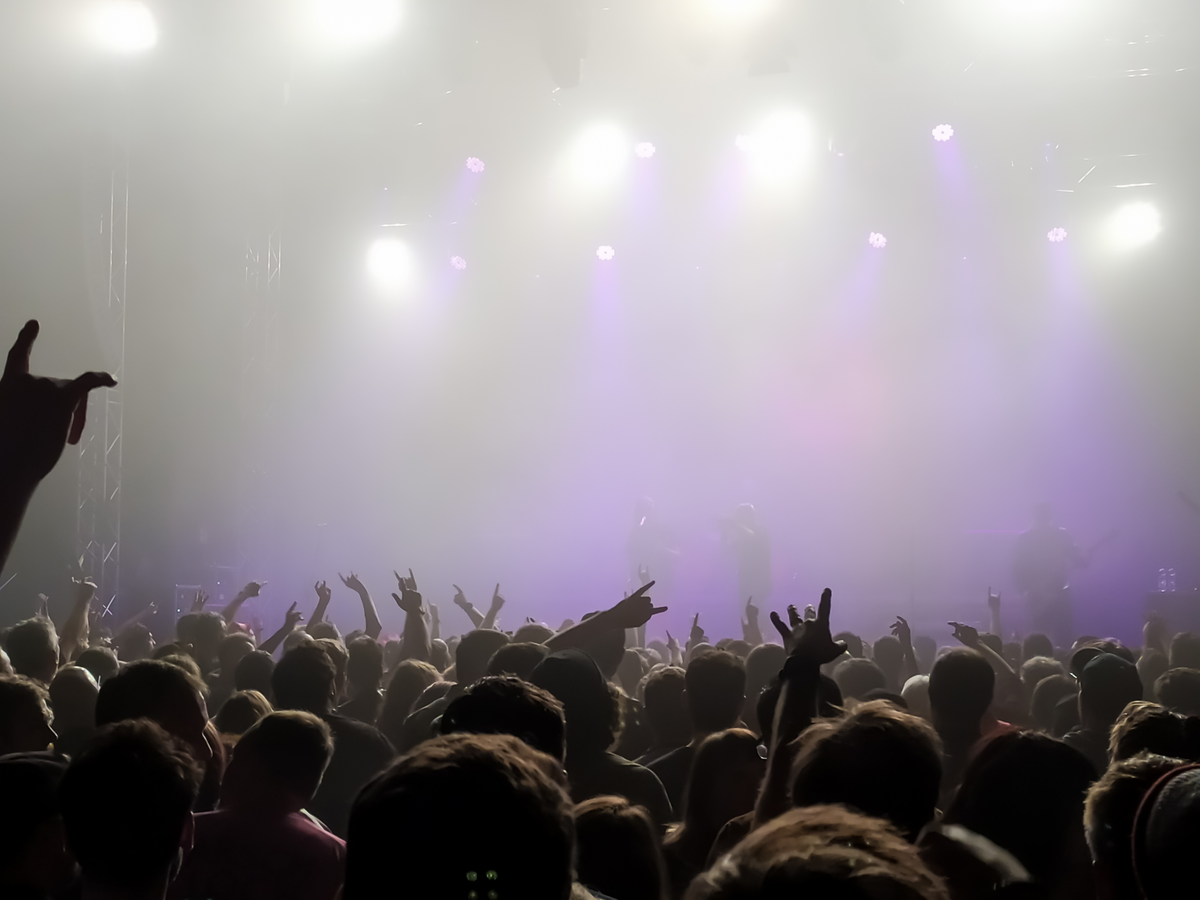
The stage design for this tour continues the band’s tradition of high-concept production. US reviews from early tour stops describe a multi-level stage with moving platforms, a heavy integration of custom visuals tied to the ‘Clancy’ narrative, and the return of certain fan-favorite set pieces from past tours. That includes drum-platform crowd surfing, stripped-down acoustic segments on a B-stage, and extended drum duels between vocalist/multi-instrumentalist Tyler Joseph and drummer Josh Dun.
Set lists on this run have reportedly balanced ‘Clancy’ tracks with legacy songs from ‘Blurryface’ and ‘Trench’, plus select cuts from earlier records. As of May 31, 2026, fan reports from US social media and concert reviews in outlets like Consequence and Spin indicate that the band are rotating deeper cuts night to night, which has encouraged repeat attendance. This approach mirrors strategies used by jam bands and legacy rock acts, but it’s less common among younger alternative and pop artists, giving Twenty One Pilots a distinct positioning in the live market.
For US fans comparing this tour to earlier cycles, several writers have highlighted that the ‘Clancy’ production feels more theatrical than the ‘Bandito’ tour that supported ‘Trench’, and more cohesive in its narrative thread than the touring built around ‘Scaled and Icy’. Lighting, costume changes, and stage blocking are reportedly designed to track the emotional arc of the record rather than simply string together songs, an approach more often associated with pop and R&B superstars than with alternative duos.
On the practical side, ticket availability has varied sharply by market. As of May 31, 2026, major coastal cities and Midwest hubs like New York, Los Angeles, Chicago, and the band’s hometown region of Columbus show limited primary market availability, with a mix of standard and dynamically priced seats still appearing on box office maps for some dates while others are effectively sold out. Secondary-market pricing remains volatile, particularly for weekend nights and shows with special guests. Fans looking for precise city-by-city information can use Twenty One Pilots’ official website, which maintains a centralized tour page with updated ticketing links and on-sale status.
US venues, festivals, and how the band fits in
The scale of the current Twenty One Pilots tour underlines their status as a premier US live draw. Over the last decade, the band have moved from clubs to theaters and into full arenas, eventually stepping into stadium-adjacent spaces and festival headline slots. According to historical tour coverage from outlets like the Los Angeles Times and USA Today, they have sold out venues ranging from Madison Square Garden in New York to the Forum (now often branded as the Kia Forum) in Inglewood, California.
Within the US festival ecosystem, Twenty One Pilots have played key slots at Lollapalooza Chicago, Bonnaroo, and Outside Lands, among others. Their ability to deliver a visually dense, crowd-participation-heavy set has made them a natural fit for events curated by promoters like C3 Presents and Another Planet Entertainment, which favor acts that can hold tens of thousands of casual listeners while still rewarding diehards who know the deeper lore.
From a promoter standpoint, US companies like Live Nation Entertainment and AEG Presents see Twenty One Pilots as reliable tentpoles who appeal to both older millennials who grew up on pop-punk and younger Gen Z audiences who discovered the group through streaming and TikTok-era meme culture. That cross-generational reach is one reason the band can anchor multi-night stands in markets where other alternative acts might struggle to fill a single arena date.
In terms of venue variety, the current run includes traditional arena plays, outdoor amphitheaters in Live Nation’s network, and festival headline or co-headline slots. That mix allows the band to tailor their production to different spaces: full pyro and large-scale projections in indoor rooms; more expansive, open-air visuals in amphitheaters; and tightly compressed highlight sets at festivals, where they are often asked to condense their show to 90 minutes or less while still including major hits.
Industry analysis from Pollstar and trade publications indicates that Twenty One Pilots’ gross touring revenue over the past several cycles places them in the upper tier of active rock and alternative acts, particularly when measured against peers who emerged in the 2010s. Their ability to maintain that position while shifting their aesthetic and narrative focus each album cycle has made them a case study in fanbase cultivation and long-term brand management.
How ‘Clancy’ ties up years of Twenty One Pilots lore
One of the unique features of Twenty One Pilots is the depth of the fictional universe they have built across multiple albums. US music writers often compare this approach to the narrative world-building of comic books or prestige TV, with recurring characters, symbolic imagery, and hidden clues scattered across songs, videos, artwork, and live staging. The ‘Clancy’ album is widely framed as a closing chapter in this saga, drawing together threads from ‘Blurryface’, ‘Trench’, and ‘Scaled and Icy’.
The character of Clancy, introduced more explicitly in the ‘Trench’ era via letters and cryptic web content, functions as a kind of audience proxy within the oppressive city of Dema and its surrounding landscapes. Over time, fans have tracked the evolution of Dema as a metaphor for mental health struggles, external control, and institutional pressures. American outlets like Vulture and NPR Music have noted that the band’s willingness to engage directly with concepts of anxiety, depression, and self-doubt helped cement their bond with young listeners who were looking for language to describe their own experiences.
In the ‘Clancy’ era, that narrative is reportedly given clearer resolution. Lyrics and visuals suggest movement out of Dema, confrontation with controlling figures, and a more grounded sense of self. While still wrapped in allegory, the story’s progression has been interpreted by US critics as a sign of emotional growth and a rejection of fatalistic thinking. This aligns with Tyler Joseph’s public comments over the years about therapy, faith, and fatherhood, which have increasingly shaped how fans read the lyrics.
The band’s decision to close this chapter rather than prolong it indefinitely has been praised by several reviewers as a sign of creative discipline. Instead of stretching the Dema saga across more albums until the concept thinned out, they have chosen to deliver what feels like a “final act” and leave space for new directions. For long-time followers, the current tour offers a rare opportunity to see multiple eras of the story colliding in one live show, with set design, costume choices, and video interludes referencing past cycles while pointing toward whatever comes next.
That strategy has also created an accessible entry point for newer US fans who might have discovered the band through viral use of older songs but never fully engaged with the lore. By framing ‘Clancy’ as both a continuation and a conclusion, Twenty One Pilots invite casual listeners to experience a full narrative arc without needing to decode every symbol. In that sense, the “new era” tagline that fans have applied to this cycle is less about a sudden stylistic pivot and more about the promise of a future beyond Dema.
Twenty One Pilots in the US charts and streaming landscape
From a data perspective, Twenty One Pilots occupy a distinct place in the US ecosystem where rock, pop, and alternative cross. According to Billboard, the duo have scored major Hot 100 hits with songs like “Stressed Out,” “Ride,” and “Heathens,” while simultaneously dominating the Rock and Alternative charts for extended stretches. Several of their singles have reached No. 1 on the Alternative Songs and Hot Rock & Alternative Songs lists, and their albums have made strong debuts on the Billboard 200.
As of May 31, 2026, catalog tracks from ‘Blurryface’ and ‘Trench’ continue to post robust streaming numbers, a pattern that has turned those albums into long-tail staples for US listeners who program alternative and emo-adjacent playlists. Industry analysis from Luminate (formerly MRC Data) has highlighted how the band’s songs perform not just in habitual listening but also in user-generated content, where snippets of tracks like “Heathens” and “Stressed Out” still surface in TikTok and Instagram trends years after release.
On the certification side, the RIAA’s database shows multiple Platinum and multi-Platinum awards for both singles and albums, underscoring the breadth of their reach beyond a core fandom. That commercial profile gives context to why the ‘Clancy’ album and tour have drawn sustained coverage from mainstream US outlets rather than being treated as a niche alternative story. In terms of streaming-era resilience, Twenty One Pilots sit alongside acts like Imagine Dragons and Panic! At The Disco as examples of 2010s alternative bands that successfully transcended the traditional rock silo.
At the same time, critical coverage from places like Pitchfork and Stereogum has periodically wrestled with the tensions in the band’s sound and presentation: the blending of earnestness and theatricality, the interplay between heavy themes and pop hooks, and the way their fandom’s intensity can blur lines between art and community. The ‘Clancy’ era, by tying up a long-running narrative, gives critics and scholars a more complete arc to analyze, which may influence how the band’s legacy is framed in US rock and pop history going forward.
How US fans are experiencing this era
One of the defining features of Twenty One Pilots’ US fan culture is participation. From early days, the band encouraged crowd chants, call-and-response sections, and full-venue singalongs that transformed their shows into communal events. In the ‘Clancy’ cycle, that participatory ethos has reportedly expanded to visual elements: coordinated colors, themed outfits tied to the album artwork, and fan-made props that echo symbols from the lore.
US concert reviews and social-media recaps note that fans still arrive hours before doors to secure spots on the floor or near the barricade, often forming makeshift lines that function as pop-up community spaces. These line cultures—complete with homemade signs, shared snacks, and lore discussions—have become part of the band’s live identity. It is not uncommon for fans to travel interstate to catch multiple shows on the same leg, treating the tour as a kind of moving festival.
Online, the conversation has shifted from decoding every symbol to processing the emotional weight of closure. Fans who attached their own mental health journeys to the Dema narrative are now grappling with what it means to “leave” that world alongside the band. American commentators have drawn parallels between this transition and how other fan communities have handled the end of long-running sagas, whether in television, film franchises, or comic-book runs.
Merchandise has become another key channel through which US fans engage with the ‘Clancy’ era. Limited-edition drops, colorway variants, and tour-specific designs have fed a robust resale market, with certain items quickly fetching above-retail prices on secondary platforms. As of May 31, 2026, some exclusive venue-only pieces from the early leg of the tour are already considered collectible, reinforcing the idea that this cycle is a historic moment in the band’s evolution.
For those who cannot attend in person, high-quality fan-shot footage and official content have kept the narrative accessible. US-based music outlets have increasingly covered specific standout performances or set list surprises as news items, recognizing that this fandom engages with granular updates in the same way that stan communities follow pop superstars. That level of attention helps explain why a new tour leg announcement or a subtle visual change in the production can generate meaningful coverage and conversation.
How to follow Twenty One Pilots’ next moves
For US readers who want to keep up with Twenty One Pilots during the ‘Clancy’ era, there are several practical steps. The band’s verified social accounts remain the primary channels for last-minute announcements, behind-the-scenes content, and lore-adjacent teases. Their official tour page, hosted via Twenty One Pilots’ official website, provides date-by-date ticketing information, VIP package details, and venue links, all of which are updated as new shows are added or existing ones sell through.
Fans looking for deeper analysis, set list tracking, and coverage of standout performances can turn to US music media, where outlets like Rolling Stone, Billboard, and Consequence have established track records of following the band’s movements. These publications often provide context on how new developments fit into broader industry trends, whether that’s the health of the live rock market, shifts in alternative radio, or the ongoing evolution of concept-driven albums in the streaming era.
On a local level, regional newspapers and alt-weeklies across the United States frequently publish reviews and photo galleries when the tour passes through their markets, offering city-specific perspectives on how the show plays in different rooms. These localized snapshots can be especially useful for fans deciding which date to attend or for those curious about how production tweaks and set list changes manifest over time.
For more Twenty One Pilots coverage on AD HOC NEWS, including updates on schedule changes, additional dates, and chart performance, readers can search our archive via this link: more Twenty One Pilots coverage on AD HOC NEWS. As the ‘Clancy’ era continues to unfold, we will track the band’s major moves, from new live additions to any hints about what narrative or sonic direction might follow.
FAQ: Twenty One Pilots’ ‘Clancy’ era and tour
What is the concept behind Twenty One Pilots’ ‘Clancy’ album?
The ‘Clancy’ album functions as a narrative and emotional culmination of the storylines that began on ‘Blurryface’ and deepened on ‘Trench’. It centers on the character Clancy and the fictional city of Dema, which many listeners interpret as a metaphor for mental health struggles, societal control, and the process of reclaiming agency. The new songs reportedly move the story toward resolution, with lyrics and visuals suggesting movement out of oppressive spaces and toward a more grounded self-understanding.
How does the ‘Clancy’ tour differ from previous Twenty One Pilots tours?
Compared with earlier tours, the ‘Clancy’ run is more theatrical and tightly tied to the album’s narrative arc. While past shows featured dramatic visuals and recurring set pieces, this cycle is designed as a start-to-finish story, with staging, lighting, and costume changes reflecting different phases of the album. The set lists blend new tracks with older hits, but the sequencing and transitions more clearly mirror a three-act structure, making the concert feel less like a collection of songs and more like a cohesive production.
Are Twenty One Pilots still playing their biggest hits on this tour?
Yes. Even as they foreground the ‘Clancy’ material, Twenty One Pilots continue to perform their major US hits, including songs from ‘Blurryface’ and ‘Trench’. Fan accounts and early reviews confirm that staples like “Stressed Out,” “Ride,” and “Heathens” remain in rotation, often appearing at key emotional peaks in the set. The band also uses medleys and reimagined arrangements to keep older tracks fresh while accommodating the narrative flow of the show.
How strong is Twenty One Pilots’ touring presence in the United States right now?
As of May 31, 2026, Twenty One Pilots remain one of the most reliable arena-level draws in US rock and alternative music. Box office reports indicate multiple sellouts and high grosses across major markets, placing them in the upper tier of contemporary touring acts from their generation. Their ability to sell large rooms consistently, coupled with a devoted fanbase willing to travel for multiple dates, gives them significant leverage in negotiations with promoters and venues.
What should new US fans know before seeing Twenty One Pilots live?
Newcomers should expect a high-energy, participatory show where the crowd is as important as the production. It is common for the entire venue to sing along to key choruses, and for the band to stage moments that rely on fan interaction, such as call-and-response sections or coordinated movements. Comfortable footwear, hydration, and an openness to stand and move for most of the set are recommended. For those interested in the lore, reading lyric sheets and watching a few recent videos before the show can deepen the experience, but it is not required to enjoy the performance.
For US listeners, the ‘Clancy’ era is a rare combination of commercial scale and narrative closure. Twenty One Pilots are using this moment to honor a decade of devoted fandom while carving out room for whatever comes next. Whether you are a long-time follower who has tracked every breadcrumb since ‘Blurryface’ or a newer fan catching up through streaming playlists, this cycle offers a chance to see a band at the peak of its live and conceptual powers.
By the AD HOC NEWS Music Desk » Rock and pop coverage — The AD HOC NEWS Music Desk, with AI-assisted research support, reports daily on albums, tours, charts, and scene developments across the United States and internationally.
Published: May 31, 2026 · Last reviewed: May 31, 2026
Share this article:
Share on X ·
Share on Facebook ·
Share via Email
So schätzen die Börsenprofis Aktien ein!

Für. Immer. Kostenlos.