Xiaomi's EV Loss Swells to 3.1 Billion Yuan While Phone Margins Erode, Stock Hovers at 3 Euro
09.06.2026 - 12:55:00 | boerse-global.de
Xiaomi is throwing everything it has at its product lineup — a bigger battery, faster charging, Leica cameras, and a record-setting SUV assembly line — yet its shares refuse to budge from the edge of a 52-week low. The stock trades at €3.00, less than 1.4% above the trough hit on June 5, having shed over 33% since the start of the year. A buyback programme worth up to 20 billion Hong Kong dollars has failed to reanimate the mood.
The latest attempt to revive sentiment came on Monday, when the company repurchased 3.6 million shares for roughly 98 million HKD. It is part of a successor plan to an older buyback under which Xiaomi had already retired stock worth 14.6 billion HKD. The gesture has done little to break the technical stranglehold: the relative strength index sits at 35.7, just shy of oversold territory, while the stock trades about 30% below its 200-day moving average of €4.29.
In China, Xiaomi is rolling out the 17T series with a battery that dwarfs the global version. The domestic base model gets a 7,000 milliampere-hour cell — 500 mAh more than the international variant — matching the capacity of the pricier Pro model. Charging speeds reach 67 watts on the standard and 100 watts on the Pro, and both carry a Leica camera system. The entry price is 2,999 yuan.
Should investors sell immediately? Or is it worth buying Xiaomi?
Smartphones remain the group’s revenue backbone, contributing 79.3 billion of the 99 billion yuan in total first-quarter sales. Xiaomi shipped nearly 34 million handsets in the period, capturing an 11.3% global market share. But the profit picture is clouded by rising component costs. Gross margin in the smartphone segment narrowed to 10.1% as prices for semiconductors and memory chips climbed — the same components the AI boom is inflating. To offset the squeeze, Xiaomi has raised average selling prices and is embedding more artificial intelligence features into its ecosystem.
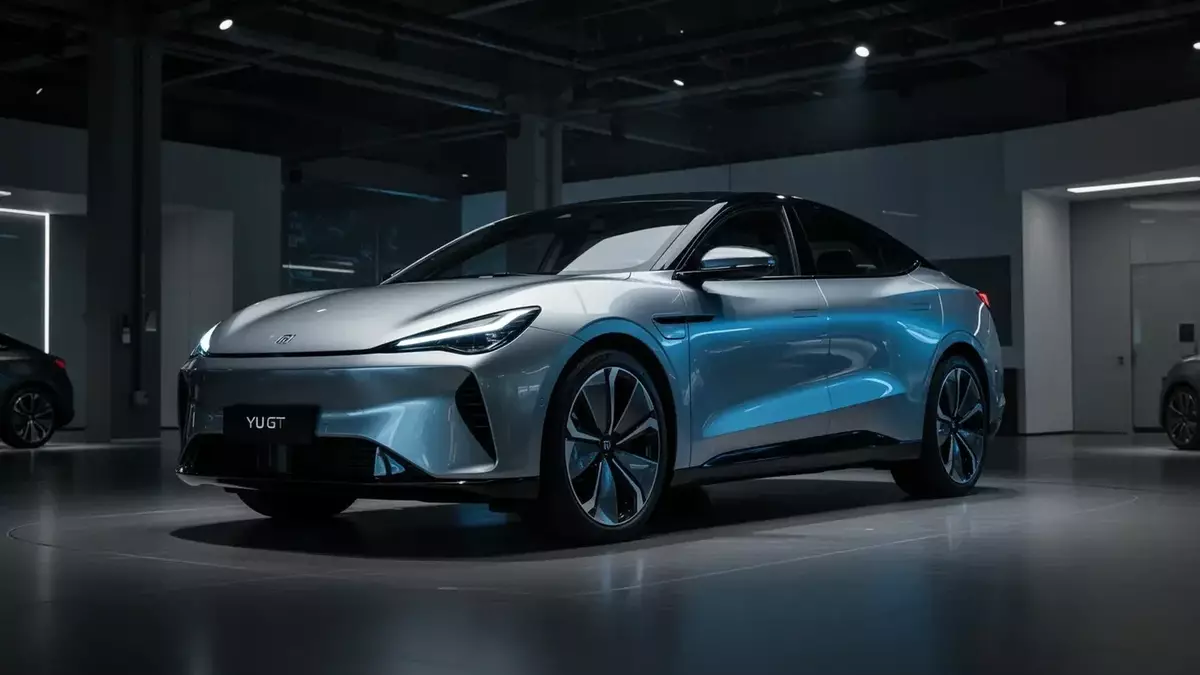
The deeper drain, however, is the electric-vehicle division. In the first quarter of 2026, the EV business posted an operating loss of 3.1 billion yuan on revenue of 19.9 billion yuan — a reversal from a profitable quarter a year earlier. Deliveries reached 80,856 vehicles, up 6.6% year-on-year, yet volume growth is outpacing margin expansion. The Beijing plant now churns out a car every 76 seconds, employing more than 700 robots and hitting an automation rate above 90% in core areas. Xiaomi is targeting 550,000 deliveries for the full year and is expanding capacity in Beijing and Wuhan.
Whether the twin pressures — eroding smartphone margins and voracious EV cash burn — can be contained before the stock breaks below the €3.00 floor remains the pressing question for investors. The buyback may provide a temporary scaffold, but for a durable recovery, the company will need the new 17T to lift sales in its home market and the production ramp in its EV plants to narrow losses sharply in the coming quarters.
Ad
Xiaomi Stock: New Analysis - 9 June
Fresh Xiaomi information released. What's the impact for investors? Our latest independent report examines recent figures and market trends.
So schätzen die Börsenprofis Xiaomis Aktien ein!

Für. Immer. Kostenlos.