The Tesla Model Y. How the electric crossover shapes everyday family driving
Published on 07/26/2026 at 11:37 | Editorial responsibility: Rafael Müller, Editor-in-Chief AD HOC NEWS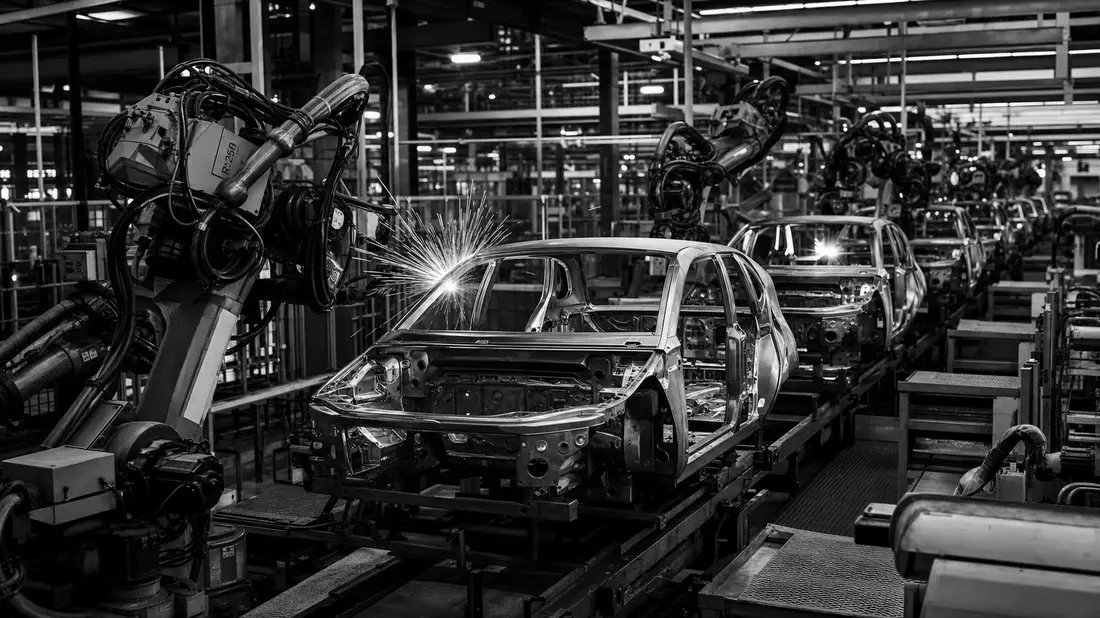
The Tesla Model Y pulls silently away from the curb, the light hum of its dual motors barely louder than the air conditioning on a warm evening. In the driver’s seat, a hand brushes the smooth vegan leather, eyes flicking to the big central screen before merging into city traffic.
Everyday usability and space
Elon Musk has repeatedly described the Tesla Model Y as a practical family car, and the packaging proves his point. The crossover shares Tesla’s compact platform but offers noticeably more headroom and cargo space than the Model 3 sedan. For parents wrestling with child seats, the higher seating position matters as much as the battery size.
Open the power tailgate and the depth of the trunk feels almost cavernous for an EV in this class. Official figures put the combined cargo capacity, including frunk, at over 2,000 liters when the rear seats are folded flat, depending on configuration. In daily use that translates to strollers, sports gear and a week’s groceries without a Tetris session.
Tesla Model Y and investor interest
Learn how the strong Model Y volumes feed into Tesla Inc. revenue trends and quarterly market reactions.
Powertrain, range and charging
The Model Y comes in several trims, with rear-wheel drive and dual-motor all-wheel drive variants tailored to different budgets and climates. Tesla lists WLTP ranges for European versions typically between roughly 455 and 565 kilometers, depending on battery and wheel choice. Real-world testers, such as the team at Auto Motor und Sport, report closer to 350–450 kilometers in mixed conditions.
Put your foot down and even the entry variant feels brisk. The Long Range all-wheel drive trim accelerates from 0 to 100 km/h in around 5 seconds according to Tesla, while the Performance version shaves that to roughly 3.7 seconds. That immediacy still surprises many first-time EV drivers, who learn quickly to modulate the throttle in wet city streets.
Interior, infotainment and software
Inside, the Model Y sticks to Tesla’s minimalist script. There is no traditional instrument cluster; almost every major function routes through the 15-inch central touchscreen. Stefanie, a Berlin-based UX designer who recently switched from a compact SUV, describes the cabin as "calm but sometimes fiddly" because climate controls sit behind taps and swipes rather than physical knobs.
The big screen remains the focal point. It handles navigation, streaming services, energy consumption graphs and vehicle settings in a single interface. Tesla pushes over-the-air software updates frequently, changing everything from range estimation to user interface typography while the car sits on the driveway connected to Wi-Fi. That cadence appeals to tech-minded customers, but can irritate drivers who prefer static systems that don’t move buttons between menus.
Safety features and driver assistance
Safety has been a core argument for many buyers, and the Model Y scores well in crash tests. The car received top ratings from Euro NCAP and the US NHTSA, with strong marks for occupant protection and active safety systems. Tesla leverages its pure electric architecture, placing the battery pack low in the chassis to improve stability and reduce rollover risk.
On the assistance side Tesla offers Autopilot as standard, with optional upgrades to Enhanced Autopilot and the Full Self-Driving (FSD) capability package in some markets. These systems can manage lane-keeping, adaptive cruise control and automatic lane changes on highways, but regulatory authorities and independent testers emphasize that the driver must stay attentive and ready to intervene. The marketing debate around the "Full Self-Driving" label remains intense, particularly in the US.
Production footprint and variants
On the manufacturing side, Tesla builds the Model Y at multiple plants: Fremont in California, Shanghai, Berlin-Brandenburg (commonly dubbed Giga Berlin) and Austin, Texas. That spread allows the company to serve large regional markets from local facilities, reducing shipping times and import duties. It also gives Tesla more flexibility to adjust trim mixes according to demand in each geography.
In Europe, the German-made Model Y has become particularly prominent. Local production started in 2022, and the site now turns out hundreds of thousands of vehicles per year. For German buyers, that local origin plays into conversations around industrial policy and EV subsidies, while for investors it signals Tesla’s commitment to European volume.
Pricing, incentives and running costs
List prices vary sharply by region and trim. In Germany, the Tesla Model Y rear-wheel drive variant has recently been listed around the mid-40,000 euro range including VAT, with the Long Range and Performance trims stepping noticeably higher. In the US market, pricing for the base Model Y has frequently shifted, sometimes dipping below USD 40,000 before destination and fees after price adjustments.
Beyond purchase price, buyers run spreadsheets on charging costs versus fuel. Home charging on off-peak electricity can make per-kilometer energy costs significantly lower than petrol or diesel, though public fast charging prices have risen in many cities. Service intervals are relatively light compared to combustion cars, with no oil changes and fewer wear parts, but tire wear can be higher because of the vehicle’s weight and torque.
Competition and market position
The compact crossover EV segment has crowded quickly. The Model Y competes against vehicles like the Hyundai Ioniq 5, Kia EV6, Volkswagen ID.4 and Ford Mustang Mach-E. Each offers its own mix of design language, charging speed and pricing, giving buyers a broader choice than in the early days of Tesla’s lineup.
Analysts note that despite the competition, the Model Y’s combination of range, software and charging network access keeps it on shortlists for many households. The availability of Supercharger stations along major routes remains a hard advantage in regions where third-party charging networks are patchy or poorly maintained. For city dwellers with no private parking, however, even Tesla’s expanding network can feel inconvenient compared with the simplicity of petrol.
Charging ecosystem and Supercharger access
Walk up to a busy Tesla Supercharger site off a European motorway on a Saturday afternoon and the Model Y dominates the bays. The charging cables hang with a faint chemical smell of rubber warmed by the sun. Drivers stretch their legs while the cars gulp electrons at up to 250 kW on compatible stalls.
Tesla’s decision to open parts of the Supercharger network to non-Tesla vehicles in Europe has changed the dynamic. Model Y owners now share those bays with other brands, while in some regions they pay different tariffs than third-party EVs. The network’s reliability has become part of the product’s value proposition, affecting both daily commute planning and long-distance holidays.
Software options and subscription services
Beyond the base software stack, Tesla sells optional features around the Model Y. The Full Self-Driving package, for example, can be purchased outright or subscribed to monthly in several markets. That subscription model introduces an ongoing revenue stream linked directly to the vehicle fleet, which is closely watched by investors.
Owners also see smaller paid options such as premium connectivity, which includes live traffic visualization and media streaming over cellular data. For some households those subscriptions feel like natural extensions of smartphone behavior, while others prefer the one-and-done simplicity of paying only for the car and electricity.
Environmental footprint and materials
Tesla positions the Model Y as part of a broader decarbonization effort. The company publishes an annual impact report with data on fleet emissions reductions and manufacturing energy use. For the vehicle itself, the use of vegan leather and a simplified interior reduces the number of animal-derived materials, a factor highlighted in marketing.
Independent researchers point out that battery production and supply chains still carry substantial environmental loads. Mining and processing of lithium, nickel and cobalt remain under scrutiny, and Tesla has announced efforts to source materials more responsibly and reduce the intensity of battery manufacturing. How much of that reaches the ground remains a topic for investigative reporting and NGO analysis.
Resale values and durability
On used-car marketplaces, the Model Y generally holds its value better than many early-generation EVs, though resale prices have cooled as more competitors enter the market and new vehicles become cheaper. Battery degradation data from long-term owners suggests gradual capacity loss rather than sudden drops, often in the range of single-digit percentages over the first 100,000 kilometers.
Interior wear patterns show up in places like the driver’s seat bolsters and door handles, but the simple cabin design means fewer complex mechanical switches to fail. Software bugs, on the other hand, can frustrate. Tesla typically patches issues through updates, but that pace means the experience of owning a Model Y in 2026 feels different from the same car in 2023.
Regulatory landscape and safety scrutiny
Regulators worldwide keep a close eye on Tesla’s driver assistance systems. In the US, the National Highway Traffic Safety Administration has conducted multiple investigations into Autopilot-related incidents, some involving Model Y vehicles. Tesla has rolled out software changes in response, including stricter driver monitoring and more prominent alerts.
European regulators, including Germany’s KBA, have also scrutinized features and marketing language. That oversight affects how Tesla can describe its systems and how updates roll out in different jurisdictions. Investors follow these developments closely, as regulatory constraints can influence both adoption of paid options like FSD and Tesla’s brand perception.
Consumer perception and owner stories
Talk to owners and the Model Y’s image becomes more nuanced than a spec sheet. Jonas, a 32-year-old engineer from Hamburg, describes his daily commute as "quiet, quick and slightly nerdy" as he checks efficiency graphs at every trip. He praises the spacious rear seats when his friends pile in, but wishes for better sound insulation at German Autobahn speeds.
Families often mention the stress relief of one-pedal driving in stop-and-go traffic. Regenerative braking means the car slows as soon as the driver lifts off the accelerator, reducing the need to hop between pedals. That can feel unsettling initially but quickly becomes second nature, particularly in urban congestion.
Manufacturing innovations and gigacastings
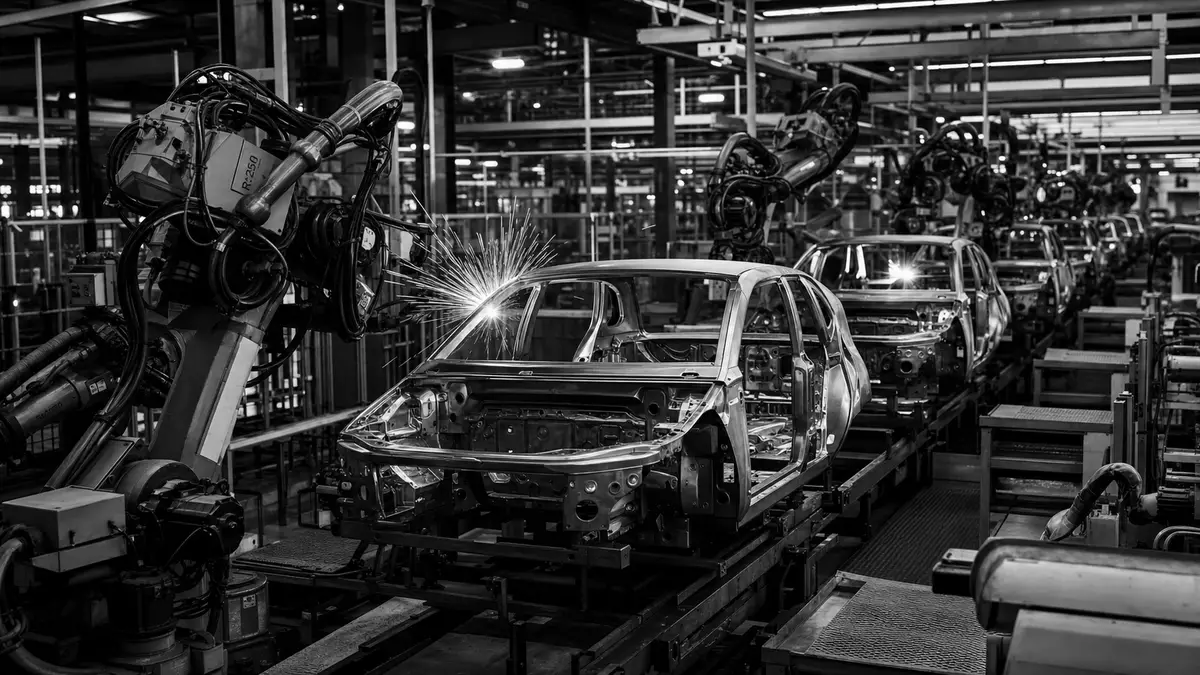
Tesla likes to talk about manufacturing as much as product features, and the Model Y shows that philosophy. The company uses large die-cast components, known as gigacastings, for sections of the vehicle’s underbody. This reduces the number of stamped and welded parts, potentially cutting costs and simplifying the assembly line.
Critics raise questions around repairability. If a minor accident damages a large casting, will the vehicle be written off more often than if composed of many smaller parts? Tesla argues that the structural benefits and manufacturing efficiency outweigh these concerns, but independent insurance data over the coming years will inform that debate more reliably than any slide in a presentation.
Battery technology and chemistry changes
Under the floor, Tesla has gradually diversified its battery chemistries for the Model Y. In some markets, especially for entry-level variants, the company uses lithium iron phosphate (LFP) packs. These chemistries trade slightly lower energy density for improved longevity and cost stability, and they allow regular charging to 100% without the same degradation concerns as some nickel-based packs.
Higher-end trims generally retain nickel-rich NCA or NCM chemistries to maximize range. Tesla’s suppliers, including CATL and Panasonic for various regions, continue to develop new iterations. For investors, the chemistry mix affects both gross margins and dependency on specific raw materials, while for drivers it subtly changes charging habits and long-distance planning.
Market share and sales milestones
Sales data underline how central the Model Y has become. In 2023, the vehicle was widely reported as one of the best-selling passenger cars globally, including combustion models, with several research houses and Tesla itself highlighting the milestone. In Europe, it ranked near the top of EV registrations, often leading monthly charts in markets such as Germany and Norway.
Those volumes matter for Tesla Inc. as they diversify revenue beyond the Model 3 and older vehicles like the Model S and Model X. They also underpin the company’s ambition to scale to several million vehicles annually. Any shift in demand for the Model Y, whether from competition or macroeconomic pressures, therefore shows up quickly in quarterly results.
Supply chain challenges and pricing volatility
The past few years have brought supply chain shocks, and the Model Y has not been immune. Semiconductor shortages, logistics bottlenecks and fluctuating raw material costs pushed Tesla to adjust prices repeatedly. Buyers who placed orders saw configurations change and estimated delivery times slide on the company’s website as conditions evolved.
On the investor calls, Elon Musk and CFO Vaibhav Taneja have discussed these pressures openly. Price cuts can stimulate demand but compress margins; price hikes protect profits but may cool interest. The Model Y sits at the heart of those balancing acts because of its volume and role as a crossover that many households see as their do-everything car.
Service network and repair experiences
Another aspect that owners raise is service. Tesla runs a mix of company-owned service centers and mobile service vans that visit customers at home or work. For simple issues like minor hardware fixes or trim adjustments, mobile service lends a sense of convenience often described warmly in owner forums.
For more complex repairs, especially collision damage, experiences vary by region. Some European owners report long wait times for appointments and parts. Others praise quick, straightforward interactions. Because the Model Y shares many components with the Model 3, parts availability is generally better than for low-volume Teslas, but regional bottlenecks still occur.
User interface debates and learning curve
The absence of physical buttons keeps debates alive. Safety advocates argue that touch-only controls can distract drivers when conditions turn demanding. Tesla counters that its interface design and voice controls mitigate distraction, and the large screen allows clear visualization of maps and alerts.
New owners describe a learning curve measured in days rather than minutes. Switching wiper modes or adjusting mirrors through menus can feel unintuitive at first. Yet some drivers quickly embrace the approach, likening it to using a smartphone rather than a 20-year-old dashboard clustered with buttons.
Region-specific trim strategies
Not every market receives the same Model Y configurations. In China, locally built vehicles from the Shanghai plant have specific trim mixes and pricing tuned to domestic competition like BYD. In Europe, Tesla emphasizes variants that align with emissions taxes and incentives across member states.
In the US, tax credit eligibility under the Inflation Reduction Act influences which battery and manufacturing combinations Tesla deploys. That policy patchwork means the Model Y on a street in California may differ in subtle ways from a Model Y sold new in Berlin, even if badges and broad specs look similar.
Lifestyle positioning and branding
Tesla markets the Model Y as more than a transport appliance. Imagery in advertising and social media often shows surfboards, mountain bikes and dogs jumping into the cargo area. The message: this is the EV that slots into a busy, active lifestyle while still carrying kids and luggage.
Owners reinforce that framing through content on YouTube, X and TikTok. Road trip videos, efficiency tests and charging tutorials contribute to a shared knowledge base that prospective buyers browse before configuring their car online. That user-generated layer sits above the official product specs and influences how the Model Y is perceived in practice.
Investor angle and stock context
For retail investors, the Tesla Model Y represents a core component of Tesla Inc.’s current business model. Its role in overall deliveries, margins and software upsell opportunities feeds straight into analyst models and retail sentiment. Any change in production rates at plants like Berlin or Shanghai quickly prompts questions about demand or operational constraints.
On Xetra trading, the Tesla Inc. share (ISIN US88160R1014) reflects these dynamics through daily price moves, but retail investors should track regulatory, competitive and macroeconomic factors rather than focusing on vehicle headlines alone.
Tesla Model Y facts
- Product: Tesla Model Y
- Manufacturer: Tesla Inc.
- Category: Classic/Longseller electric crossover
- Market launch: 2020 (initial US deliveries)
- MSRP / Price: From mid-40,000 euro in Germany (trim-dependent)
- Availability: North America, Europe, China and other selected markets
- Target group: Families and commuters seeking a spacious, software-centric EV
- Highlight / USP: Combination of range, minimalist interior and access to Tesla Supercharger network
Disclaimer regarding our articles: No investment advice, no buy or sell recommendation. Information on prices, companies, and markets is provided without guarantee; changes are possible at any time. Stock market transactions can lead to substantial losses. Our articles are created and reviewed in whole or in part automatically with the support of AI.