The Walmart Supercenter. How the all-in-one store reshapes weekly shopping
Published on 07/26/2026 at 11:34 | Editorial responsibility: Rafael Müller, Editor-in-Chief AD HOC NEWS
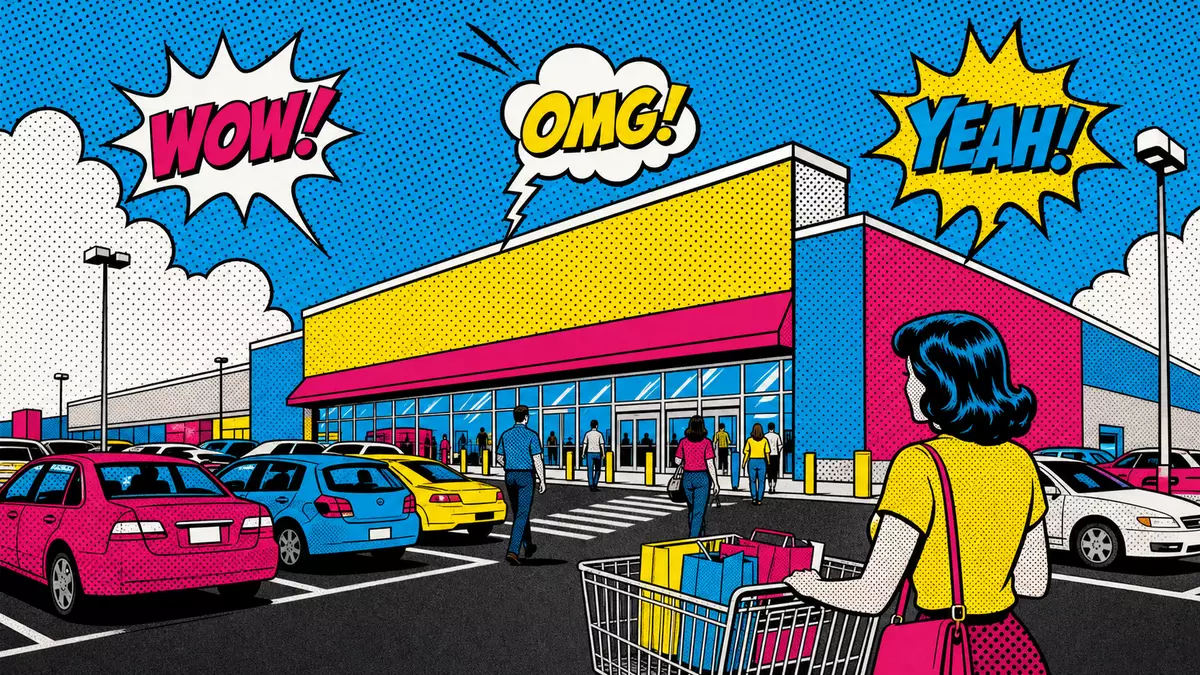
Walmart Supercenter is the kind of store where the air smells faintly of warm bread from the bakery while shopping carts clatter over polished concrete floors. You walk in under bright LED lights and, within seconds, see groceries, toys and tires in the same sweep of your eye.
From one-stop idea to national network
Walmart Supercenter is Walmart’s flagship large-format store concept, combining a full grocery supermarket with a broad general merchandise assortment in a single location. The first Supercenter opened in 1988 in Washington, Missouri, expanding the classic discount store into a full food offering.
Today, Walmart operates thousands of Supercenters across the United States, typically sized between roughly 180,000 and 220,000 square feet, and most of them run 24-hour or extended operating schedules depending on local demand. These stores anchor many local retail ecosystems, drawing daily foot traffic from surrounding suburbs and small towns.
What shoppers find under one roof
Step through the grocery side entrance and the first thing many customers see is a fresh produce section with chilled mist over lettuce and cucumbers, followed by aisles of packaged foods and household essentials. Turning right, the space opens into apparel racks, electronics displays and seasonal goods stacked high on steel shelving.
Beyond food and general merchandise, a typical Walmart Supercenter location also offers pharmacy services, health and wellness products, photo printing kiosks, and often automotive services like tire installation and oil changes. These departments are complemented by financial services such as money transfers, check cashing and bill payment at the customer service desk.
Walmart Supercenter and investor perspective
Read more background on how the Supercenter format fits into Walmart Inc.'s strategy and financials.
Fresh groceries meet dry goods
The grocery section of Walmart Supercenter covers fresh produce, meat, bakery, dairy and frozen categories along with packaged foods and beverages. Refrigerated cases hum along one full wall, while center aisles carry dry goods, snacks and non-food items such as cleaning products and paper goods.
Walmart’s own Great Value, Marketside and Sam’s Choice private labels appear heavily in these aisles, positioned alongside national brands to keep price perception sharp. Store managers adjust assortments to local preferences, so a Supercenter in Texas might stock more regional salsa brands, while one in Florida emphasizes coastal seafood choices.
Services for everyday life
Many Walmart Supercenters host an in-store Walmart Pharmacy, which dispenses prescription medication, vaccines and basic health consultations through licensed pharmacists. Nearby, customers often find Walmart Vision Center units providing eye exams, glasses and contact lenses, operated by independent optometrists in leased space.
The typical Supercenter also incorporates a photo center with digital kiosks and printers, offering same-day prints and photo gifts. Around the front of the store, money services desks handle transfers through partners like MoneyGram and Western Union, plus prepaid cards and check cashing, allowing households with limited banking access to manage payments in a retail setting.
Behind the concept: Doug McMillon’s focus
Doug McMillon, president and CEO of Walmart Inc., frequently emphasizes that the Supercenter remains central to the company’s US retail footprint even as online sales grow. In his public remarks and earnings calls, he highlights how combining physical stores with digital services strengthens Walmart’s omnichannel proposition.
Under McMillon’s leadership, Walmart has invested heavily in store remodels, cleaner layouts and upgraded lighting in Supercenters, aiming for a more modern, less cluttered feel. When you walk down the electronics aisle now, the neatly lit shelves and clear signage stand out compared with older “maze-like” stores remembered from the early 2000s.
Omnichannel: pickup and delivery
One of the biggest changes to Walmart Supercenter in recent years is the integration of online grocery pickup and same-day delivery services. Customers can order groceries and general merchandise through Walmart.com or the Walmart app, then choose curbside pickup at their local Supercenter without leaving the car.
Dedicated parking spots, typically marked in bright blue or orange and fitted with small signs and numbers, allow staff to wheel carts of bagged groceries directly to vehicles. Inside, staging areas near the back of the store manage waves of online orders, combining ambient, chilled and frozen items in insulated totes.
Walmart+ memberships and benefits
Supercenters also act as physical support for Walmart+, the company’s subscription service that offers free delivery from stores on eligible orders and fuel discounts at partner stations. Members can use the app’s Scan & Go feature in some Supercenters to scan items as they shop, then pay digitally and skip the regular checkout line.
This integration of digital tools into the Supercenter floor smooths the experience for time-pressed families. It also helps Walmart collect data on shopping patterns, informing inventory planning and targeted promotions. For example, frequent purchases of baby products might trigger tailored offers on wipes or formula in the app.
Merchandise breadth: from socks to garden soil
Beyond groceries, Walmart Supercenter carries extensive general merchandise across categories such as apparel, home goods, toys, sporting equipment, automotive supplies and outdoor items. Walking the aisles, customers can grab socks, school notebooks, camping chairs and potting soil within a single loop of the store.
Private label clothing under brands like George and Terra & Sky sits next to national labels, while home aisles stock Mainstays housewares and Better Homes & Gardens licensed products. Seasonal sections change with the calendar: in summer, those shelves fill with grills and inflatable pools; by November, they are stacked with artificial trees, lights and gift wrap.
Pricing, rollbacks and EDLP
Walmart Supercenter relies on an everyday low price (EDLP) strategy, meaning most items are kept at consistently low price points rather than heavy promotional swings. Rollback signage highlights temporary price reductions, often with bright red tags visible across the aisle.
The combination of EDLP and rollbacks aims to build trust that regular weekly baskets will stay affordable. In practice, customers pushing carts filled with staple items like bread, milk, chicken and laundry detergent see the impact in the total at checkout, especially compared with smaller regional chains.
How Supercenters are laid out
Store layouts vary, but most Walmart Supercenters segment fresh food along one side and general merchandise across the remaining floor, with wider main aisles linking departments. Ceiling signage guides shoppers to landmarks like Electronics, Pharmacy, Garden Center and Auto Care.
Doug McMillon and his team have supported experiments with clearer sightlines and more intuitive adjacencies, such as grouping baby care items close to pharmacy and health products. When you stand in the middle of a remodelled Supercenter, you can see straight down several aisles, rather than peering around bulky stacks of random pallets.
Supply chain muscle behind the shelves
Each Walmart Supercenter is tied into a regional distribution network of large warehouses, cross-docks and transport fleets. Trucks arrive at loading docks throughout the day, and overnight, replenishment crews move pallets from the back room onto shelves.
Walmart’s long-standing investment in logistics and technology, including automated systems and data analytics, helps maintain high on-shelf availability while keeping inventory lean. If one Supercenter sees a spike in demand for a hurricane or winter storm, algorithms help route stock from nearby facilities and stores to support local customers.
Energy, sustainability and design touches
Many newer or remodelled Walmart Supercenters incorporate energy-efficient lighting, refrigerated cases with doors, and in some locations rooftop solar installations to cut operating emissions. Inside, the cooler white light makes the produce and packaging colors appear sharper compared with older sodium lamps.
Walmart’s corporate sustainability reports describe initiatives to reduce waste, including plastic recycling, food donation programs and more efficient packaging. For customers, one of the most visible touches is often the presence of recycling bins or signage encouraging reusable bags near the entrances.
Community footprint and jobs
Walmart Supercenters typically employ several hundred associates per store, ranging from cashiers and department associates to pharmacists, automotive technicians and managers. These jobs can form a significant share of retail employment in smaller communities where the Supercenter is the primary big-box store.
Walmart also points to local community grants, charitable donations and disaster relief efforts associated with Supercenter locations. When severe weather strikes, some Supercenters serve as logistical hubs for distributing emergency supplies to affected neighborhoods.
Criticism and competition
Despite their popularity with shoppers, Walmart Supercenters face criticism from some local businesses and advocacy groups, who argue that large-format discount stores can draw sales away from smaller retailers and reshape main street economies. Researchers document mixed impacts depending on local conditions.
On the competitive side, Supercenters face pressure from warehouse clubs like Costco and Sam’s Club, grocery chains such as Kroger and regional supermarkets, and of course from Amazon and other online players. Walmart’s response includes sharpening prices, extending omnichannel services and improving store experience.
How the format supports Walmart’s strategy
From an investor perspective, the Supercenter format is central to Walmart’s US segment revenue, providing scale for both physical traffic and online order fulfillment. These stores often act as local hubs for grocery pickup and delivery, enabling Walmart to leverage its existing footprint without building separate dark stores.
Walmart earnings presentations describe ongoing investments in store technology and remodels as part of a broader strategy to integrate stores and digital channels. The company positions the Supercenter as a flexible platform that can evolve with consumer habits, rather than a static big-box concept.
Stock and Supercenter context
For retail investors, Walmart Supercenter is less a single product and more a flagship format underpinning a substantial share of Walmart’s US sales. It ties together groceries, general merchandise and services in a way competitors find hard to replicate at similar scale.
On Xetra, the Walmart share (ISIN US9311421039) trades via derivatives and certificates referencing the US listing, and in the US the Walmart stock (ISIN US9311421039) is listed on the New York Stock Exchange in US dollars.
Key facts about Walmart Supercenter
- Product: Walmart Supercenter
- Manufacturer: Walmart Inc.
- Category: Classic / Longseller retail format
- Market launch: First Supercenter opened 1988 in Washington, Missouri (USA)
- MSRP / Price: No fixed price, retail store format with everyday low prices
- Availability: Thousands of locations across the United States, depending on region
- Target group: Price-conscious households and small businesses seeking one-stop shopping for groceries, general merchandise and services
- Highlight / USP: Combination of full grocery supermarket, general merchandise and services like pharmacy, financial services and online pickup in a single large-format store
Disclaimer regarding our articles: No investment advice, no buy or sell recommendation. Information on prices, companies, and markets is provided without guarantee; changes are possible at any time. Stock market transactions can lead to substantial losses. Our articles are created and reviewed in whole or in part automatically with the support of AI.