
Bastille look back on a decade of pop anthems and reshape their live sound
Published on 06/18/2026 at 02:00 | Editorial responsibility: Rafael Müller, Editor-in-Chief AD HOC NEWS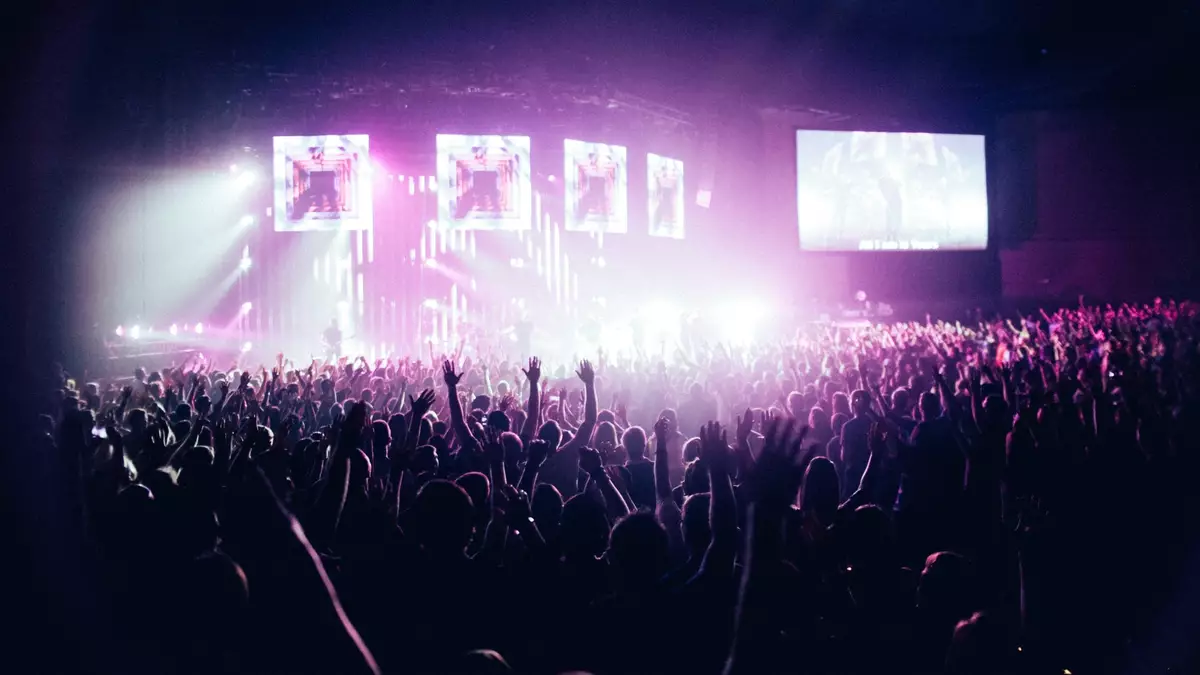
Bastille have spent more than a decade turning big pop hooks and moody storytelling into one of the most reliable live and chart presences of UK alternative pop. From early breakthrough single Pompeii to their concept-driven album Give Me The Future, the London band built a catalog that blends cinematic arrangements, electronic textures and approachable songwriting, appealing to both rock listeners and mainstream pop audiences.
Formed around singer and songwriter Dan Smith in the late 2000s, Bastille emerged from London’s indie scene with a sound that mixed piano-driven melodies, choral-style vocals and subtle electronic beats. The band’s early EPs and singles built word-of-mouth momentum, but it was the global success of Pompeii that moved them from cult buzz to international radio rotation and festival main stages, setting the tone for a career that keeps balancing introspective lyrics with big, communal choruses.
How Bastille grew from club shows to festival stages
Discover more background pieces, chart stories and scene reports on Bastille in the AD HOC NEWS archive.
More news on Bastille at AD HOC NEWS ->Thursday focus: why Bastille’s hybrid of pop and drama still resonates
On a Thursday, streaming numbers and playlist placements often show which songs listeners keep returning to during the working week. Bastille’s catalog fits that pattern: their tracks join pop playlists, alternative mood mixes and gym soundtracks at the same time. That versatility comes from the way the band fuse live-band dynamics with electronic production, giving their songs both emotional weight and rhythmic drive.
In the studio, Bastille often build songs around Smith’s voice, stacking harmonies and call-and-response parts that feel almost choral. Underneath, drums, synth bass and guitar lines shift between stadium-leaning indie-rock and dance-pop pulses. That approach made early songs like Flaws and Bad Blood share DNA with both guitar bands and chart pop, helping the group cross over to audiences that do not necessarily identify as indie fans but appreciate big melodies and dramatic arrangements.
Another factor in the band’s lasting appeal is their lyrical focus on anxiety, memory and cultural overload. Smith’s writing often zooms in on individuals trying to make sense of overwhelming events, whether they are historical catastrophes referenced in metaphor or modern digital life’s constant stream of information. That makes Bastille’s music feel conversational and contemporary, even when the arrangements nod to 80s synth-pop, film scores or classic piano ballads.
From a production standpoint, Bastille have gradually embraced denser electronic layers, working with programmers and co-producers who highlight the rhythmic and textural possibilities of synths and samples. On later releases, drum programming, vocal chops and processed percussion sit next to live drums, blurring the line between band recording and electronic track. This blend aligns them with other British acts that operate between pop and alternative, yet Bastille maintain a recognizable identity thanks to Smith’s instantly identifiable vocal tone.
Listeners also connect with the band’s instinct for cinematic dynamics. Many Bastille songs start with a relatively intimate verse, then expand into widescreen choruses with pounding drums and massed vocals. That architecture feels tailored for festival fields, where thousands of people can shout along, but it also works on headphones. The quiet-loud contrasts and layered arrangements keep tracks engaging even after many plays, which is crucial in streaming ecosystems where repeat listening determines long-term success.
The visual side of Bastille’s work supports their musical storytelling. Album artwork, tour staging and video concepts often rely on strong, single-image ideas: a city skyline, a neon-lit interior, a person in mid-movement. These visuals give listeners instant associations for each era, from more muted early designs to brighter, more futuristic motifs on later projects. In an era where social feeds and thumbnail images are often the first contact points, that kind of coherent visual language helps the band stand out.
Over the years, Bastille have also embraced collaborations and remixes as a way to reach different scenes. Reimagined versions of their songs with dance producers or guest vocalists allow tracks to live in club environments, on pop radio and on alternative playlists at the same time. For the band, this is not just a marketing tactic; it is an extension of their core idea of flexible, cinematic pop that can be reshaped without losing its emotional core.
Live, Bastille translate complex studio productions into performances that spotlight the band’s playing and Smith’s frontman role. Additional touring musicians help reproduce layered arrangements, while lighting design and visuals echo the themes of their albums. Fans regularly highlight how shows move from quiet, introspective songs to explosive sing-along moments, creating an emotional arc that mirrors the albums’ tracklists but feels more immediate in person.
The band’s relationship with their audience has also evolved with social media and streaming platforms. Instead of relying solely on traditional album cycles, Bastille share behind-the-scenes snippets, acoustic reworks and small-scale performances online. These pieces allow them to stay present between major releases, keeping listeners engaged and giving songs a second life outside the official studio versions. It also reinforces the idea that Bastille’s material can exist in multiple forms, from stripped-back piano versions to full-band, big-production arrangements.
Across their body of work, Bastille frequently revisit themes of time, memory and the search for connection. Whether through ballads built around a single piano figure or uptempo tracks driven by syncopated drums and synth stabs, the band consistently frames those themes in accessible pop structures. Choruses arrive quickly and stick in the mind, yet closer listening reveals production details and lyrical nuances that reward repeat plays, making the songs staples in personal playlists for years.
Their full-length projects underline how Bastille think in album arcs, not just singles. Tracklists often move through different moods, from early songs that explore interpersonal ties and historical imagery to later tracks that examine digital saturation, future scenarios and cultural anxiety. Interludes, spoken-word segments and recurring musical motifs make these albums feel like complete journeys, even as individual songs go on to have a life of their own on radio and streaming.
Critical reception over the years has highlighted Bastille’s ability to bridge gaps between mainstream and alternative, but also noted the challenges of maintaining freshness within such a distinctive sound. The band have responded by pushing themselves towards more rhythmic experimentation, surprising guest features and concept-driven releases that frame their familiar melodic instincts in new contexts. Rather than abandoning their core, they keep adjusting the angles from which they view it.
On streaming platforms, the numbers show how certain songs have become generational touchstones. Early hits continue to accumulate plays, introducing younger listeners to the band’s catalog, while newer releases build on that foundation and test out updated textures. Algorithms may surface the biggest hits first, but Bastille’s deeper cuts often turn casual listeners into long-term fans who explore full albums and live recordings, sustaining the band’s presence beyond the usual single-driven cycle.
For many listeners, Bastille mark specific periods in their lives: late-school years, university phases, early working life or moves to new cities. The band’s lyrics about uncertainty, change and the tension between nostalgia and the desire to move forward resonate across these stages. That emotional continuity, combined with musical evolution, helps explain why Bastille remain relevant even as trends shift around them in pop and rock.
As the live landscape changes, Bastille have shown flexibility, adjusting setlists to different stages, from intimate theatres to open-air festivals. Acoustic segments, reworked arrangements and song medleys allow them to honor fan favorites while keeping performances fresh for themselves. This willingness to treat live shows as evolving productions rather than rigid recitations of studio tracks speaks to a broader mindset of experimentation within a recognizable framework.
Behind the scenes, the band’s core identity as a collaborative unit remains. Even as Dan Smith is often perceived as the focal point, Bastille function as a group of musicians and creatives who shape arrangements, visuals and strategic decisions together. That collaborative energy is audible in the dense vocal stacks and instrumental interplay that define their recordings, giving the music a human texture that contrasts with heavily quantized, purely digital productions.
The group’s storytelling extends to how they frame each release cycle. Teaser clips, short films, artwork reveals and carefully sequenced single rollouts give fans narrative threads to follow. Instead of dropping isolated songs without context, Bastille invite listeners into larger worlds around each project, from dystopian futures to reimagined memories. In the age of short attention spans, this narrative framing offers depth for those willing to invest time and attention.
Looking at their catalog as a whole, Bastille occupy a space where chart ambitions and artistic curiosity overlap. They clearly aim for songs that can travel widely but resist reducing their work to templates. Unexpected structural choices, key changes, tempo shifts and voice-layering techniques give even their most straightforward tracks small twists that set them apart in crowded playlists. For devoted listeners, spotting these details becomes part of the joy.
The band’s influence can be felt in younger acts that blend cinematic pop with indie sensibilities and electronic production. While direct lines are hard to draw in such a hybrid landscape, Bastille helped normalize the idea that a band with guitars and live drums can sit comfortably next to pure pop and electronic artists on festival posters and playlists. Their success suggested that emotional, lyrically driven music could still compete on streaming platforms, providing a counterpoint to more minimal, beat-driven formats.
Fans often point to Bastille’s consistency as one of the main reasons they stay engaged. Even as production styles shift with each era, there is a through-line in the songwriting and emotional tone that feels reliable. In a fragmented listening environment, that sense of trust matters: audiences know that a new Bastille track will offer a certain level of craft, melodic strength and narrative intent, whether it leans more towards ballad territory or danceable pop.
At the same time, the band maintain a sense of curiosity about genre borders. Collaborations with producers from electronic, hip-hop or acoustic backgrounds reveal a willingness to let their songs be pulled in different sonic directions. When these experiments work, they open doors to new listeners who might first encounter Bastille through a guest appearance or a remix before diving into the main albums.
From a broader industry perspective, Bastille’s career demonstrates the value of building a strong first album era and then consolidating it with thoughtful follow-ups rather than chasing every short-term trend. Their steady presence in lineups and playlists shows how a band can translate initial hype into sustainable activity by refining their strengths and keeping communication with fans open, both on and off stage.
Streaming numbers, ticket demand and social engagement suggest that Bastille’s songs continue to find new ears. As younger listeners discover older hits through algorithmic recommendations, the band benefit from a long tail of attention that extends far beyond traditional release cycles. This dynamic allows them to introduce new material into an ecosystem where their back catalog remains active, creating a feedback loop between past and present work.
In fan communities, discussions often revolve around ranking albums, debating the best deep cuts and sharing memories linked to specific songs. These conversations underline how Bastille’s music has moved from simple chart entries to cultural markers for a segment of listeners who grew up with their records. For editors and curators, that emotional attachment makes the band a relevant reference point when programming playlists, radio segments or festival theme days.
For all the production and conceptual layers, the essence of Bastille still comes down to songwriting that people can sing together. Whether in a car, at a festival or through headphones in a crowded commute, the choruses offer release and shared language. That simple fact anchors the band’s evolving sound, reminding listeners that behind the futuristic textures and layered vocals, there is a focus on human-scale stories and feelings.
As digital platforms continue to shape how audiences encounter music, Bastille’s approach - visually coherent campaigns, narrative framing, adaptable live shows and emotionally direct songs - positions them well for continued relevance. Their journey from early London gigs to global recognition reflects a mix of timing, creative risk and an ear for melodies that stick. For rock and pop fans tracking how bands adapt to changing landscapes, Bastille remain a telling case study.
Ultimately, the band’s story is about balancing ambition and intimacy. They aim for big stages and broad audiences but keep centering lyrics that speak to individual experiences of fear, hope, love and uncertainty. That balance makes their records and shows feel expansive yet personal, securing Bastille a lasting place in the conversation around modern British pop and alternative music.
Key facts about Bastille at a glance
- Act: Bastille
- Genre: Alternative pop, indie pop, synth-infused rock
- Origin: London, United Kingdom
- Active since: Late 2000s
- Key works: Bad Blood, Wild World, Doom Days, Give Me The Future
- Label: Major-label affiliated, with international releases
- Charts / certifications: Multiple high-charting singles and albums, long-running streaming favorites
FAQ: Bastille’s sound, albums and impact
How would you describe Bastille’s signature sound?
Bastille combine cinematic pop with indie-rock and electronic elements. Their songs often feature stacked vocal harmonies, dynamic builds from quiet verses to big choruses and production that mixes live instruments with synths and drum programming, creating a dramatic yet accessible sound.
Which Bastille albums are most important for new listeners?
New listeners often start with breakthrough album Bad Blood, then move on to follow-ups such as Wild World, Doom Days and Give Me The Future. Together these records trace the band’s evolution from guitar-tinged indie-pop towards more electronic, concept-driven productions while keeping their melodic core intact.
What makes Bastille stand out in modern pop and rock?
Bastille stand out through their ability to blend big, radio-ready hooks with lyrical themes that tackle anxiety, memory and cultural overload. Their cinematic arrangements, conceptual album structures and visually coherent campaigns set them apart from more minimal or purely trend-driven productions in current pop and alternative scenes.
This article was created with a.i. assistance and reviewed by editors. All information without guarantee.


